
The Best Fluffy Pancakes recipe you will fall in love with. Full of tips and tricks to help you make the best pancakes.
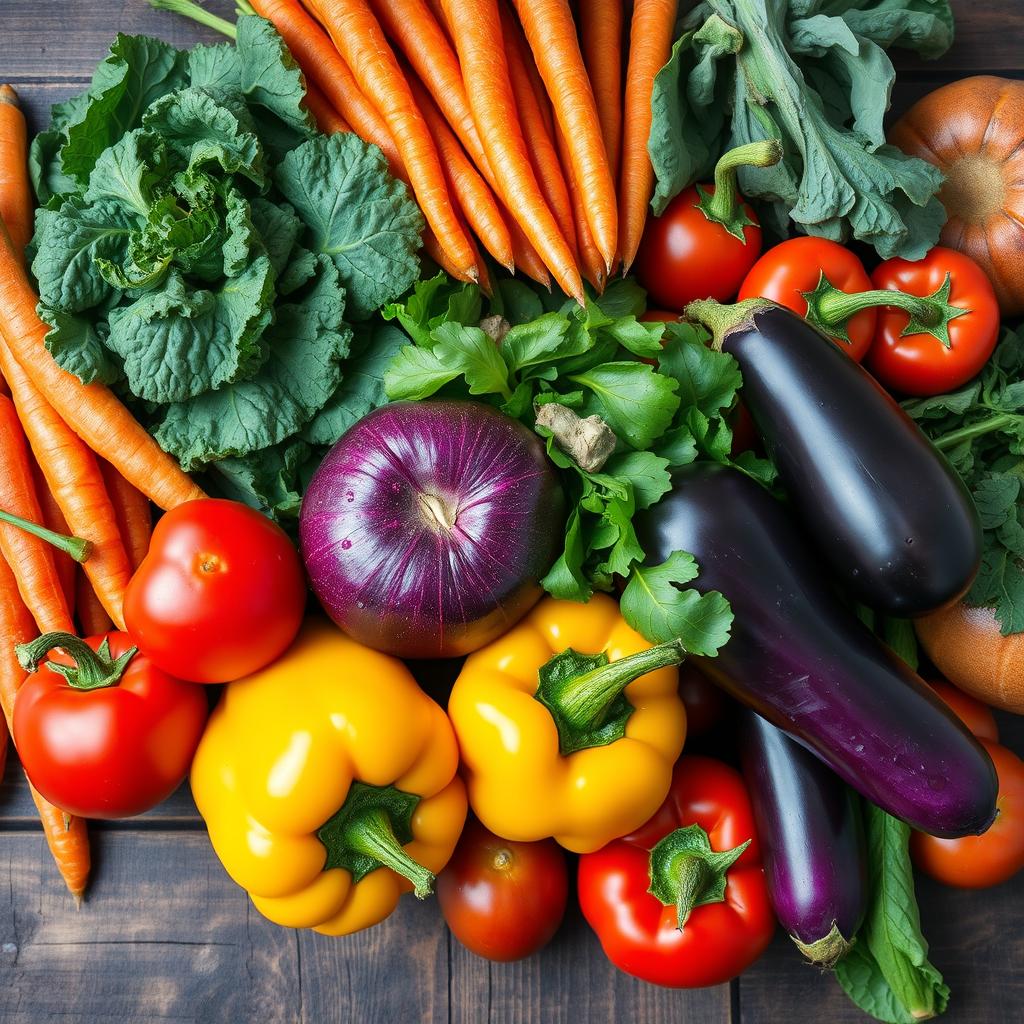
Vegetables are full of nutrients and are key to a healthy diet. Knowing their benefits can change how we eat and feel. These colorful foods are rich in nutrients that boost our health and energy.
Vegetables do more than just fill our bellies. They help our immune system and protect us from diseases. Eating lots of vegetables leads to better health and more energy.
Studies keep finding new ways vegetables help us stay healthy for a long time. They have vitamins, minerals, and compounds that protect us. This makes them a must-have in our diet.
Key Takeaways
- Vegetables provide essential nutrients for overall health
- Plant-based foods support immune system function
- Regular vegetable intake can help prevent chronic diseases
- Diverse vegetable consumption ensures complete nutrition
- Vegetables contribute to long-term wellness and vitality
Understanding the Power of Plant-Based Nutrition
Nutrition science has changed a lot in recent years. Now, plant-based foods are key to a healthy diet. This shift has changed how we think about eating and staying well.
The Evolution of Vegetable Consumption
Humans have changed how we eat over thousands of years. From ancient hunter-gatherers to today’s farming, our use of plant-based foods has grown.
- Prehistoric diets were mostly plant-based
- The rise of farming brought more vegetables
- Industrial changes have altered food making
Key Components of Plant-Based Foods
Vegetables are full of important nutrients. They have vitamins, minerals, and special phytonutrients that help us stay healthy.
- Vitamins (A, C, K)
- Minerals (potassium, magnesium)
- Antioxidants
- Fiber
Modern Dietary Guidelines
Today, experts say we should eat more plant-based foods. The newest diet guidelines say veggies are essential for a balanced diet.
“Let food be thy medicine and medicine be thy food” – Hippocrates
Eating a variety of plant-based foods can greatly improve our nutrition. It also helps us reach our health goals over time.
What are the Benefits of Vegetables
Vegetables are packed with nutrients and are key to a healthy diet. They offer more than just food, providing many health benefits that improve your overall well-being.
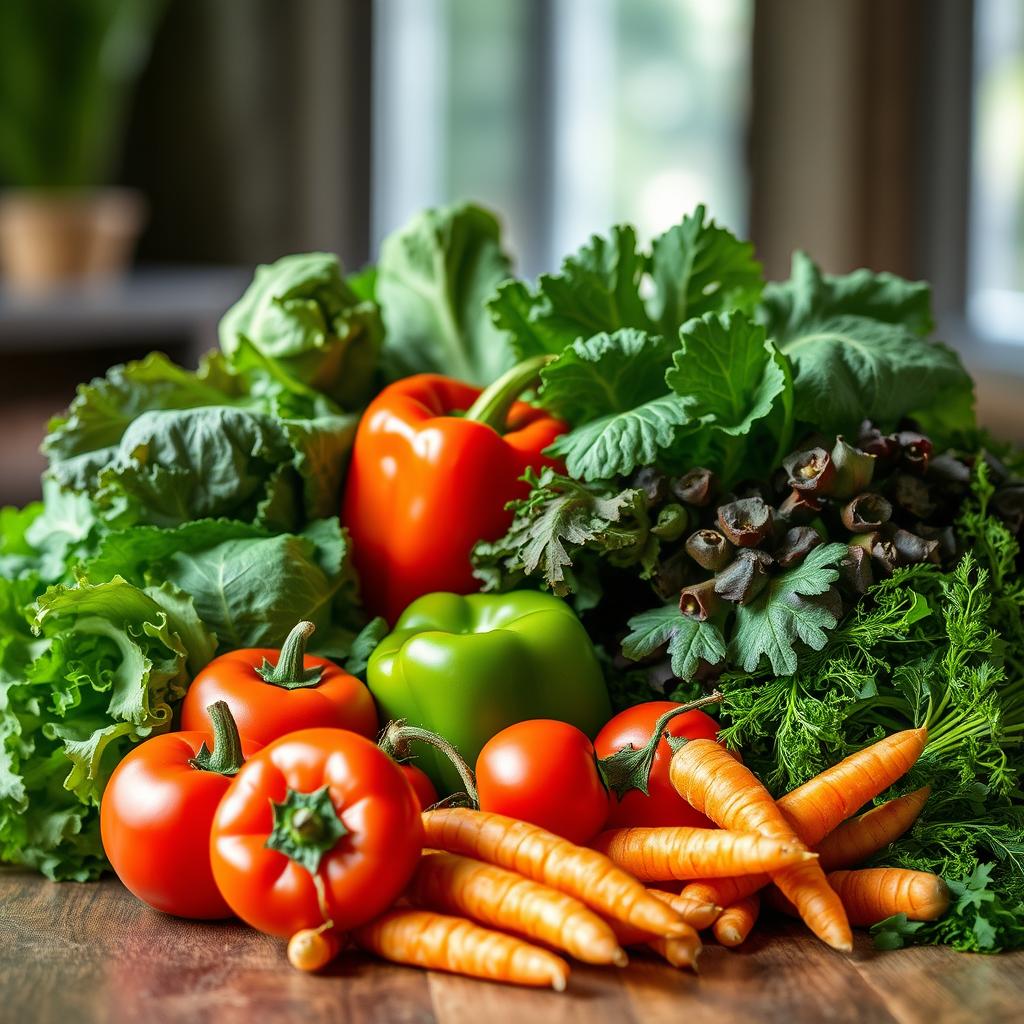
Vegetables are full of health benefits. They are rich in nutrients that help our bodies function well and protect us from diseases.
- Boosts immune system function
- Supports heart health
- Enhances digestive wellness
- Provides critical nutrients
“Let food be thy medicine and medicine be thy food” – Hippocrates
Eating a diet rich in vegetables can greatly improve your health. The main benefits include:
| Health Aspect | Vegetable Contribution |
|---|---|
| Immune Support | High vitamin C content |
| Weight Management | Low calories, high fiber |
| Disease Prevention | Antioxidant protection |
| Digestive Health | Promotes gut microbiome |
Different colored vegetables offer unique nutritional benefits. Eating a variety of them is important for getting the most health benefits. Dark leafy greens, vibrant red vegetables, and crisp cruciferous options each bring special nutrients that support overall health.
Adding a variety of vegetables to your meals can change how you view nutrition. It’s a natural way to achieve optimal health and energy.
Essential Vitamins and Minerals in Vegetables
Vegetables are full of important vitamins and minerals that help keep us healthy. Knowing how plant-based foods are good for us can change how we eat and feel. Experts say to eat a variety to get all the nutrients.
The world of vegetable nutrition is both complex and interesting. Each vegetable has its own mix of vitamins and minerals. These are key for our bodies to work right.
Water-Soluble Vitamins in Vegetables
Water-soluble vitamins are nutrients our bodies can’t store. Vegetables are a great source of these important vitamins:
- Vitamin C – boosts our immune system
- B-complex vitamins – help our metabolism
- Thiamin – helps make energy
Mineral Content and Absorption
Minerals are vital for many body functions. How well our bodies absorb these nutrients from plants depends on several factors.
| Mineral | Key Vegetable Sources | Primary Function |
|---|---|---|
| Potassium | Spinach, Sweet Potatoes | Heart Health |
| Magnesium | Leafy Greens | Muscle Function |
| Iron | Broccoli, Kale | Oxygen Transport |
Fat-Soluble Vitamins from Vegetables
Fat-soluble vitamins are stored in our body’s fat. Vegetables rich in vitamins and minerals like A, D, E, and K are great for long-term health.
“Eat the rainbow” – A nutritionist’s guide to diverse vegetable consumption
Learning about vegetable nutrition helps us make better choices. This supports our health and well-being.
The Role of Fiber in Vegetable Consumption
Dietary fiber is key to a healthy diet. Vegetables are full of this important nutrient, boosting your nutrition. They help with digestion, blood sugar control, and overall health.
“Eat your vegetables” isn’t just childhood advice – it’s a scientifically proven path to better health.
Knowing about fiber in veggies changes how you see nutrition. Each veggie has different amounts of fiber, meeting your dietary needs in unique ways.
- Leafy greens like kale contain 1-3 grams of fiber per cup
- Broccoli offers approximately 5 grams of fiber per serving
- Carrots provide about 3.6 grams of fiber per medium-sized vegetable
Soluble and insoluble fiber work together to support digestive function. Soluble fiber lowers cholesterol and stabilizes blood sugar. Insoluble fiber helps with regular bowel movements and prevents constipation.
Eating a variety of veggies gives you all kinds of fiber. Try to get 25-30 grams of fiber a day. This supports your health and meets your nutritional needs.
Antioxidants and Disease Prevention
Vegetables are full of antioxidants that protect our bodies from harm. These tiny heroes fight off free radicals to keep us healthy. They help prevent diseases.
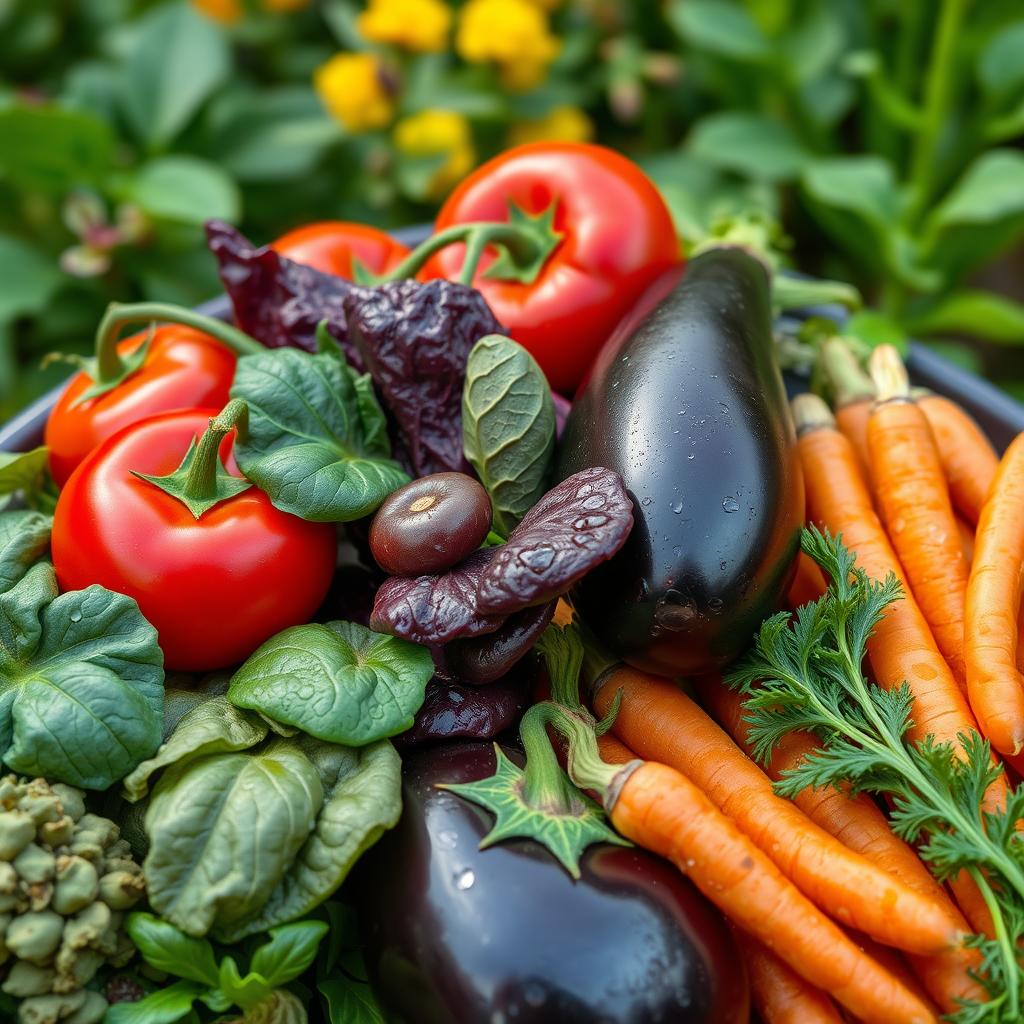
Eating a diet rich in colorful veggies gives us a shield against cell damage. Antioxidants work with our bodies to fight off health threats.
Fighting Free Radicals
Free radicals are bad guys that harm our cells and can lead to diseases. Antioxidants fight them off in several ways:
- Preventing oxidative stress
- Reducing inflammation
- Supporting cellular repair processes
- Protecting DNA from damage
Cancer-Fighting Properties
Studies show that veggies’ antioxidants may lower cancer risk. They block harmful compounds and boost our immune system.
| Vegetable | Key Antioxidants | Potential Cancer-Fighting Benefits |
|---|---|---|
| Broccoli | Sulforaphane | Supports detoxification processes |
| Spinach | Lutein | Reduces cellular inflammation |
| Tomatoes | Lycopene | Protects against prostate cancer |
Heart Health Protection
Antioxidants are key for heart health. They lower oxidative stress and help blood vessels. Eating a variety of veggies supports a healthy heart.
“Let food be thy medicine and medicine be thy food” – Hippocrates
Eating veggies rich in antioxidants helps keep us healthy for the long term. It lowers the risk of chronic diseases.
Smart Weight Management Through Vegetable Intake
Vegetables are key for managing weight. They are low in calories but packed with nutrients. Adding different veggies to your meals can make your food more filling and help you lose weight.
“Eat more vegetables and watch your weight naturally balance itself” – Nutrition Experts
Vegetables offer many benefits for weight control. They are:
- High in fiber, which keeps you full
- Low in calories
- Full of important nutrients
- Good for boosting metabolism
To understand how veggies help with weight, look at their nutritional benefits. Nutrient-dense veggies help control hunger and lower calorie intake while giving you vital vitamins and minerals.
| Vegetable Type | Calories per Cup | Fiber Content |
|---|---|---|
| Spinach | 7 | 1.5g |
| Broccoli | 31 | 2.4g |
| Cauliflower | 25 | 2.1g |
Using veggies wisely can change how you manage your weight. By choosing veggies over high-calorie foods, you can make lasting changes to your diet. This supports your health and fitness goals over time.
Vegetables for Digestive Health and Gut Microbiome
Your digestive system is key to your health. Vegetables play a big role in keeping it working well. They give your gut microbiome the nutrients it needs.
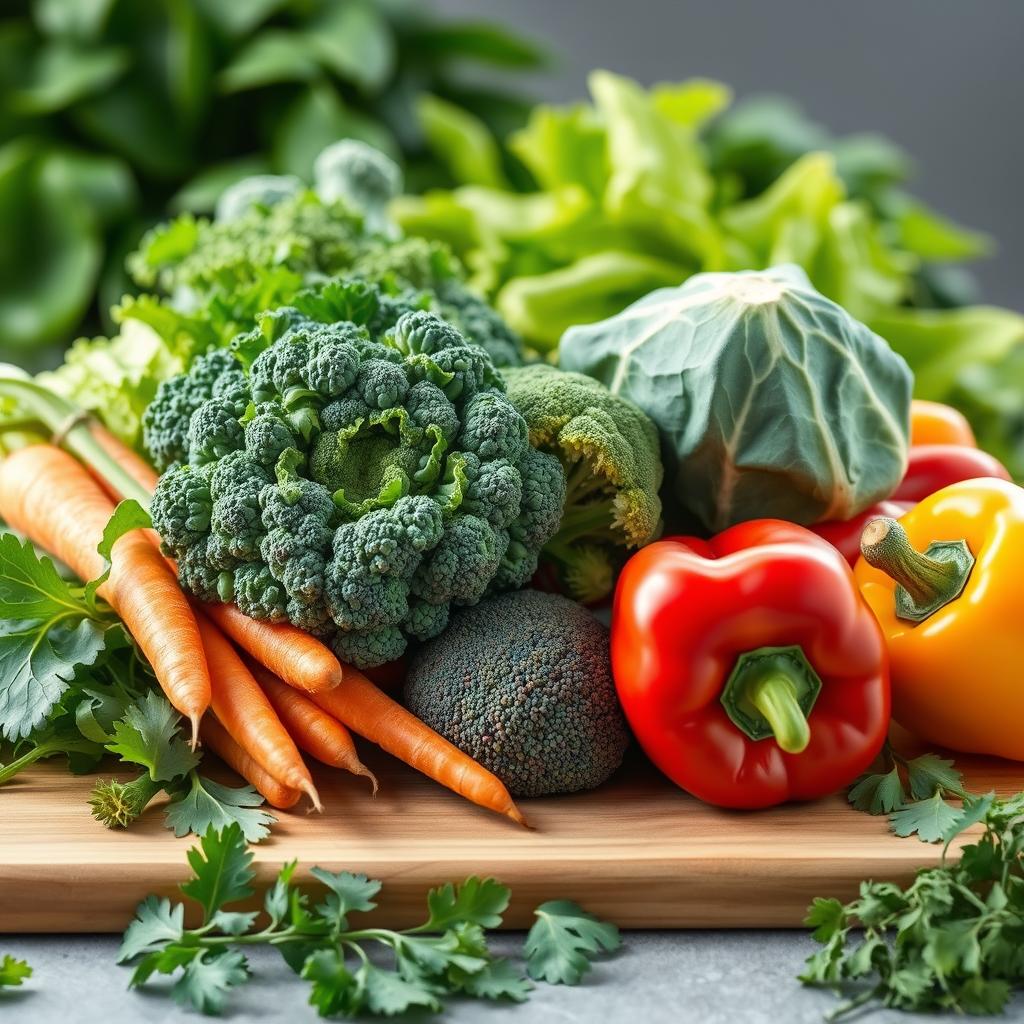
Vegetables and digestive health are closely linked. They’re packed with fiber and nutrients that help your gut. This makes them superheroes for your gut health.
Prebiotic Powerhouses
Some vegetables are natural prebiotics. They help good bacteria in your gut thrive. These include:
- Artichokes
- Garlic
- Onions
- Leeks
- Asparagus
Digestive System Support
Vegetables are great for your digestive system. Eating a variety of vegetables keeps your gut healthy. They help with regular bowel movements and lower inflammation.
| Vegetable | Fiber Content | Digestive Benefits |
|---|---|---|
| Broccoli | 5.1g per cup | Supports microbiome diversity |
| Spinach | 4.3g per cup | Reduces gut inflammation |
| Carrots | 3.6g per cup | Promotes digestive regularity |
“Let food be thy medicine and medicine be thy food” – Hippocrates
Adding different vegetables to your diet is more than just eating. It’s caring for a vital part of your body.
Sustainable Eating and Environmental Impact

Sustainable eating is a key way to lessen our environmental impact. Plant-based foods are a great way to change our eating habits for the better. Healthy diet choices play a big role in saving our planet.
Plant-based diets have amazing environmental benefits. They can cut down on greenhouse gas emissions, water use, and land use. Experts say plant-based diets can reduce food-related carbon emissions by up to 73%.
“Every meal is an opportunity to vote for the kind of world we want to live in.” – Michael Pollan
- Reduced water usage compared to animal-based protein sources
- Decreased carbon footprint through lower agricultural emissions
- Preservation of biodiversity and natural habitats
- Lower agricultural land requirements
You don’t have to give up all animal products to eat sustainably. Even small changes can help a lot. Adding more veggies, whole grains, and plant-based proteins to your diet can have a big impact.
Personal Impact Matters
Our choices in eating can make a big difference. By choosing plant-based foods and eating less meat, we help the environment. Every meal is a chance to support a greener food system.
Best Practices for Vegetable Preparation and Storage
Keeping plant-based foods nutritious requires careful handling. Vegetables are full of nutrients but can lose them quickly if not stored right.
Learning how to prepare and store your veggies can boost your diet. The right methods help you get the most nutrition from each vegetable.
Nutrient-Preserving Cooking Methods
Not all cooking methods are equal when it comes to keeping veggies nutritious. Some methods are better than others:
- Steaming: Keeps nutrients at their highest
- Quick stir-frying: Saves vitamins and minerals
- Microwaving: Fast cooking time preserves nutrients
- Eating them raw: Keeps all nutrients
Smart Storage Strategies
Storing veggies correctly keeps them fresh and nutritious. Using the right storage methods is key for better meals.
| Vegetable Type | Ideal Storage Method | Approximate Shelf Life |
|---|---|---|
| Leafy Greens | Refrigerate in perforated bags | 3-5 days |
| Root Vegetables | Cool, dark place | 1-2 weeks |
| Herbs | Damp paper towel in sealed container | 5-7 days |
“The key to maintaining vegetable nutrition is understanding how to handle them from purchase to plate.”
By following these tips, your veggies will stay fresh, tasty, and full of nutrients. Taking care of your veggies improves your diet’s quality.
Mental Health and Cognitive Benefits of Vegetable Consumption
Vegetables are key for both physical and mental health. They offer amazing benefits for our brains. These plant-based foods are packed with nutrients that support our well-being.
Studies show that eating vegetables can boost our mood and brain function. A diet full of veggies can make us feel better and think clearer.
“Your brain thrives on nutrient-dense foods that support neural connections and protect against cognitive decline.” – Nutrition Experts
- Leafy greens like spinach and kale improve memory function
- Colorful vegetables reduce inflammation linked to depression
- Antioxidant-rich vegetables support brain cell protection
Vegetables contain special nutrients that help our mental health. Folate, vitamin K, and lutein boost brain flexibility. They may also help us feel less stressed.
| Vegetable | Mental Health Benefit | Key Nutrients |
|---|---|---|
| Broccoli | Cognitive Function | Vitamin K, Antioxidants |
| Spinach | Mood Regulation | Folate, Iron |
| Bell Peppers | Stress Reduction | Vitamin C, Magnesium |
Eating a variety of vegetables every day can help keep our minds sharp and our mood high.
Conclusion
Exploring the benefits of vegetables shows a new way to eat. A diet rich in plant-based foods is great for your body and mind. Vegetables help with digestion and brain function, giving you many important nutrients.
Knowing the benefits of vegetables is more than just eating right. Each vegetable has its own special nutrients. These nutrients help fight diseases, control weight, and boost your immune system. Eating a variety of vegetables every day helps you stay healthy for a long time.
Starting a healthy diet doesn’t need big changes. Just adding more leafy greens or trying new root vegetables can help a lot. Experts say to slowly add more vegetables to your meals. Try different ways of cooking and find tasty new flavors.
Choosing a diet full of vegetables is good for your health. There are so many options, like bell peppers and kale. These can make your meals both tasty and healthy. Begin your journey to better health by making vegetables a key part of your diet.
FAQ
Why are vegetables so important for my diet?
Vegetables are full of vitamins, minerals, and fiber. They help keep you healthy and prevent diseases. They’re like a natural multivitamin, delicious and good for you.
How many vegetables should I eat daily?
Experts say eat 2-3 cups of veggies a day. Include different colors to get all the nutrients. Each color offers unique health benefits.
Do frozen vegetables have the same nutritional value as fresh vegetables?
Yes, frozen veggies are just as good as fresh! They’re frozen quickly, keeping nutrients in. Sometimes, they even have more nutrients than fresh veggies that travel far.
Can vegetables really help with weight management?
Absolutely! They’re low in calories but high in fiber. This makes you feel full without eating too much. They’re great for weight control and offer important nutrients.
Are raw or cooked vegetables better?
Both have benefits. Raw veggies keep some nutrients, while cooking makes others more available. Mix both to get the most nutritional value.
How can I make vegetables more appealing if I don’t like them?
There are many ways to enjoy veggies! Roast them with herbs, blend into smoothies, or add to dishes. Start with ones you like and try new things. Seasonings and creative cooking can make a big difference.
Do organic vegetables provide more health benefits?
Organic veggies have less pesticides, but the nutritional difference is small. Eat a variety of veggies, organic or not. Wash them well and focus on colorful, nutrient-rich produce.
Can vegetables help prevent chronic diseases?
Yes! They’re full of antioxidants and nutrients that fight diseases. Their fiber and nutrients support health and protect against long-term illnesses.


