The Best Fluffy Pancakes recipe you will fall in love with. Full of tips and tricks to help you make the best pancakes.
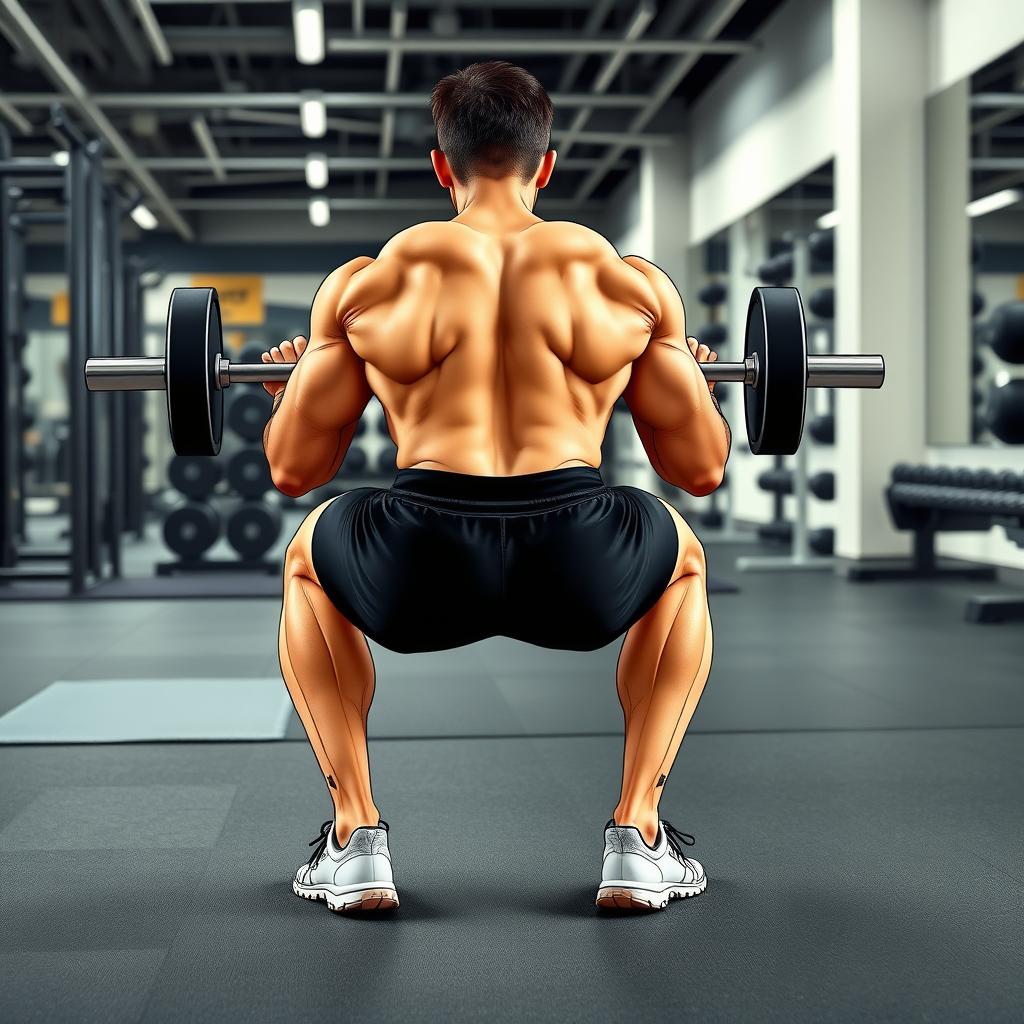
Squatting is a key movement that boosts fitness at all levels. It’s not just for building muscle. It also strengthens the whole body and improves how we move every day.
The right squat form is more than just leg exercises. It’s a complex move that works many muscles, boosts core strength, and improves sports skills. Whether you’re a pro athlete or just starting, learning to squat well can unlock big gains in strength.
Knowing how to squat properly helps avoid injuries and makes workouts better. Every squat is a chance to build a stronger body through precise movements.
Key Takeaways
- Squats are a full-body exercise
- Proper technique prevents injuries
- Improves lower body and core strength
- Enhances functional movement capabilities
- Adaptable for different fitness levels
Understanding Squat Fundamentals and Benefits
Squats are a key exercise for leg strength that can change your workout. They work many muscles, making them vital for a good workout plan.
Learning squats is more than just doing them over and over. They help with fitness in many ways, working on different parts of your body.
Building Lower Body Strength
Squats are great for strengthening your lower body. They focus on:
- Quadriceps
- Hamstrings
- Glutes
- Calves
“Strength does not come from physical capacity. It comes from an indomitable will.” – Mahatma Gandhi
Core Stability Enhancement
Your core is important when doing squats. Keeping the right form works your abs and lower back. This helps with balance and posture.
| Muscle Group | Engagement Level | Benefit |
|---|---|---|
| Abdominal Muscles | High | Improved Stability |
| Lower Back | Moderate | Enhanced Posture |
| Obliques | Moderate | Core Strength |
Functional Movement Development
Squats are like everyday movements, making them a great fitness routine. They help your body get ready for real-life challenges and lower injury risks.
Remember, proper technique is key to maximizing the benefits of squats and preventing injuries.
The Right Way to Squat: Step-by-Step Technique
Learning the right squat form is key for strength and injury prevention. A good squat technique is more than just lowering and lifting your body.
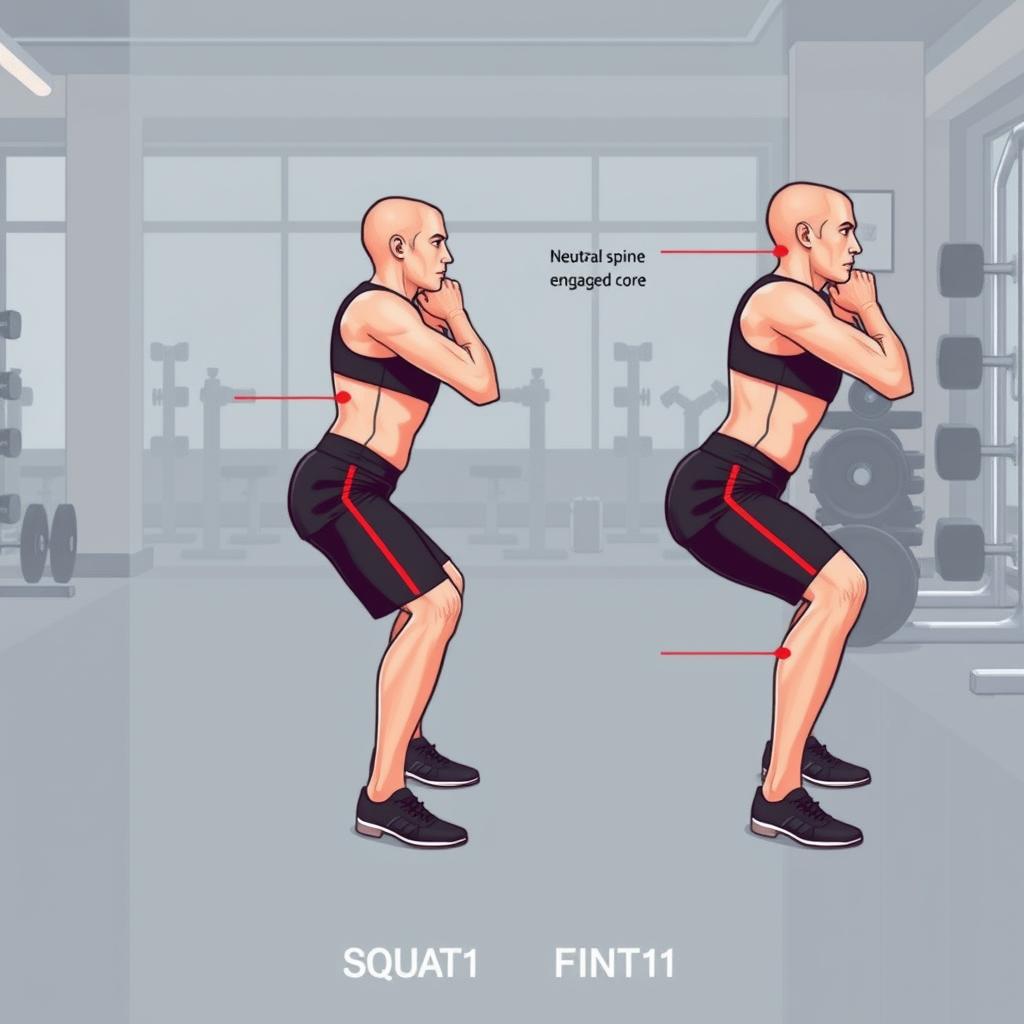
- Starting Position: Stand with feet shoulder-width apart, toes pointing slightly outward
- Engage your core muscles and keep your back straight
- Start by pushing your hips back, like sitting in a chair
- Keep your chest up and your weight on your heels
- Lower until your thighs are parallel to the ground
“Technique trumps weight every single time in squatting.” – Fitness Experts
For beginners, practicing bodyweight squats is helpful. It builds muscle memory and improves movement. Make sure to keep your spine neutral and avoid knee collapse.
- Keep your head in a neutral position
- Breathe consistently throughout the movement
- Control the descent and ascent
Perfecting your squat technique takes time. Start slow, focus on form, and build strength and confidence gradually.
Common Squatting Mistakes and How to Fix Them
Getting your squat right is key for safety and avoiding injuries. Even pros can slip into bad habits that mess up their form. Spotting and fixing these common errors can boost your workout and keep you safe.
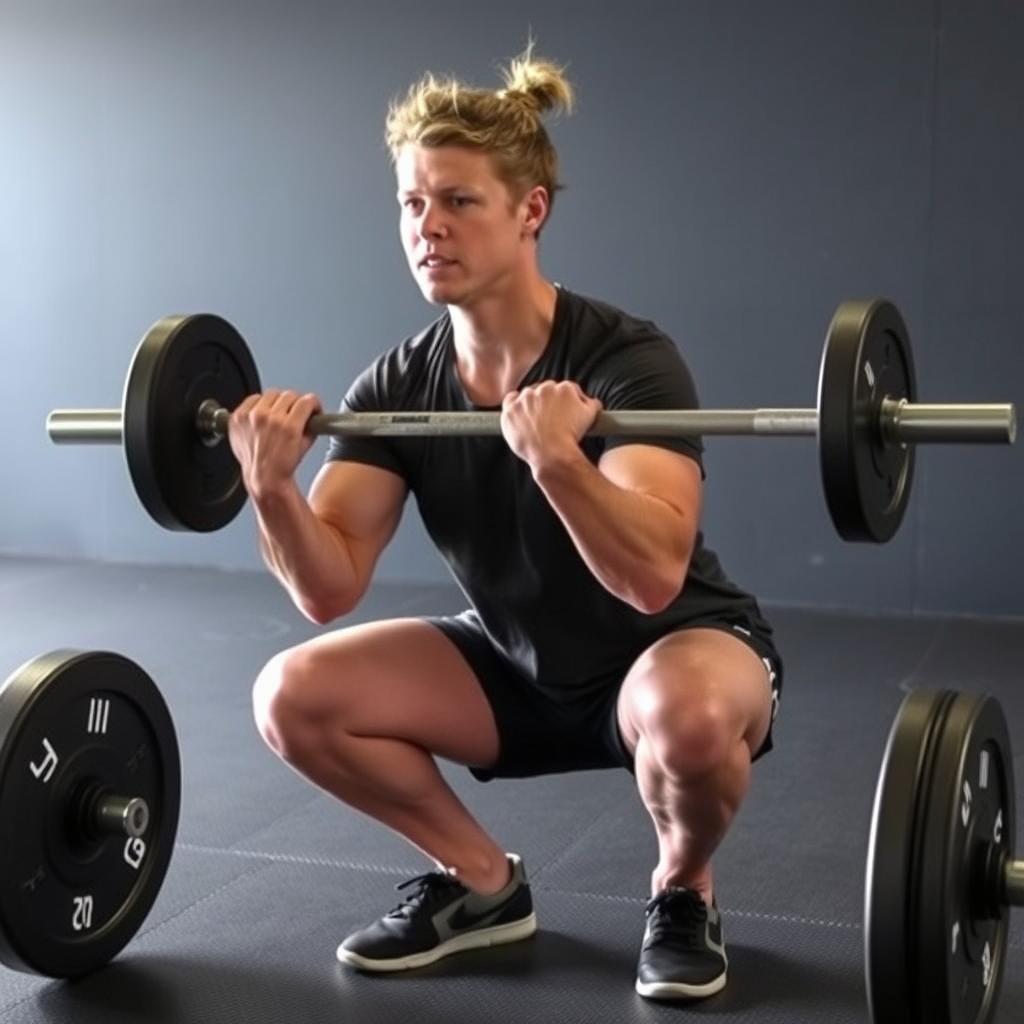
Now, let’s look at the most common squatting mistakes and how to fix them:
Knee Position Errors
How you align your knees is vital for safe squats. Mistakes include:
- Knee Collapse: When knees cave inward during the squat
- Excessive Forward Movement: Knees extending beyond toes
To fix these, focus on:
- Keeping knees in line with toes
- Engaging hip muscles to stop knee rotation
- Keeping a vertical shin angle
Back Alignment Challenges
Right spine positioning is essential to avoid back injuries in squats. Watch out for:
- Rounding of the lower back
- Overarching the spine
To keep your spine neutral, do:
- Keep your chest up
- Engage your core
- Keep a natural curve in your lower back
Weight Distribution Problems
Even weight distribution is critical for good squatting. Avoid these mistakes:
| Problem | Correction Strategy |
|---|---|
| Shifting weight to toes | Focus on heel and midfoot pressure |
| Uneven weight distribution | Practice balance with lighter weights |
| Heel lifting | Use ankle mobility exercises |
“Perfecting your squat is a journey of constant improvement and mindful practice.” – Strength Training Experts
Improving your squat takes time and patience. Start with lighter weights, focus on form, and gradually get heavier. Regular practice and being mindful will help you squat safely and effectively.
Equipment and Setup for Safe Squatting
Setting up a safe and effective squatting area is key for a great workout. The right gear can make a big difference, ensuring your safety while building muscle.
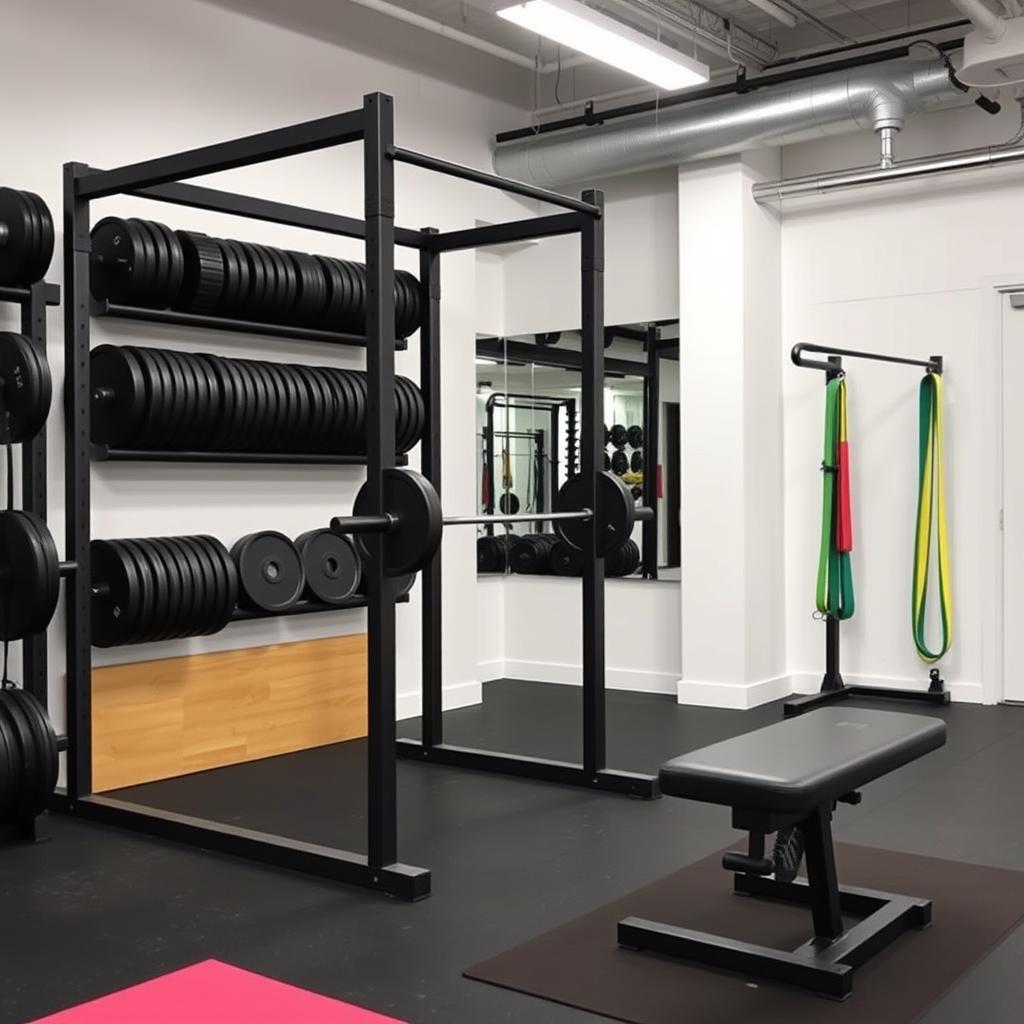
- Sturdy squat rack or power cage
- Weightlifting shoes with solid heel support
- Padded floor or weightlifting mat
- Resistance bands for added muscle activation
Choosing the right shoes is important for squatting. Specialized weightlifting shoes help keep your ankles stable and prevent injuries.
| Equipment Type | Purpose | Recommended For |
|---|---|---|
| Squat Rack | Safety and weight support | Advanced lifters |
| Resistance Bands | Muscle activation | All fitness levels |
| Weightlifting Shoes | Stability and alignment | Intermediate to advanced |
“The right equipment doesn’t just support your workout—it elevates your entire muscle building journey.” – Professional Strength Coach
For beginners, bodyweight squats need little setup. Just a clear space and dedication to learning proper form are needed.
Quality equipment boosts squatting safety and reduces injury risks during your muscle building journey.
Progressive Overload and Training Variables
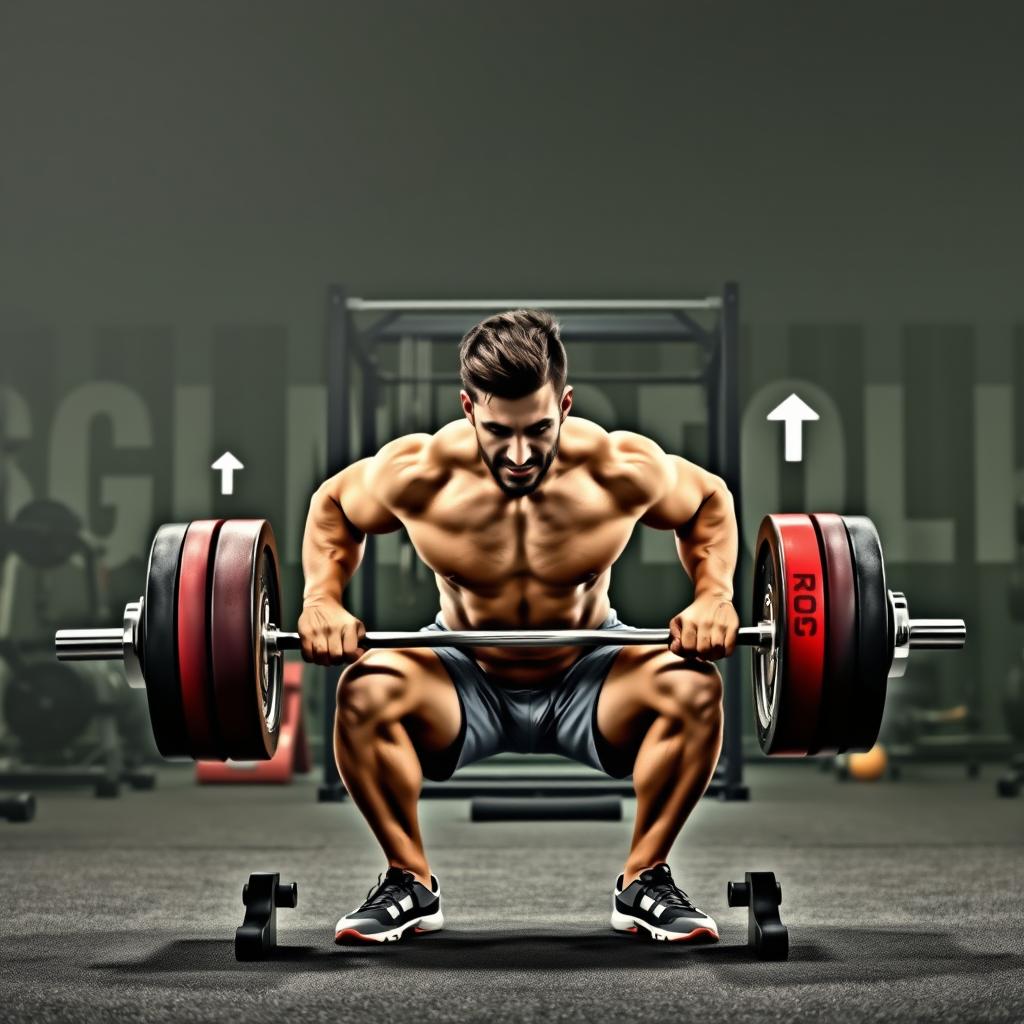
Getting better at leg strength training needs a smart plan. Progressive overload is key for improving squats and avoiding plateaus. It helps you keep getting stronger.
Weight Selection Guidelines
Picking the right weights is important for safe and effective muscle building. Here are some tips:
- Start with a weight that lets you keep perfect form
- Slowly add 2-5% more weight each week
- Use the RPE (Rate of Perceived Exertion) scale to check how hard it is
“Strength does not come from lifting light weights. Strength comes from lifting weights that challenge you consistently.” – Fitness Expert
Rep Range Recommendations
There are different rep ranges for different fitness goals in leg strength training:
- Strength (1-5 reps): Use heavy weights for maximum muscle use
- Hypertrophy (6-12 reps): Focus on muscle growth and definition
- Endurance (12-15 reps): Improve muscular stamina and conditioning
Recovery Protocols
Good recovery is key for muscle building and avoiding injuries. Follow these steps:
- Rest 48-72 hours after intense leg workouts
- Eat protein-rich meals after training
- Make sure to get quality sleep for muscle repair
A good fitness routine balances challenge and smart progress. Listen to your body and adjust your training as needed.
Conclusion
Learning to squat right is more than a workout—it’s a step towards better fitness and strength. Knowing the right form, depth, and how to avoid injuries makes squats a key part of your growth.
Every squat is a chance to get stronger, more stable, and move better. It’s all about practicing regularly and paying attention to how you do it. Start with squats without weights, keep your body straight, and get better as you go.
Getting good at squats takes time and effort. Your body will get stronger with regular practice. Don’t worry if it’s hard at first—every pro athlete was once a beginner. Keep going, listen to your body, and work on your technique.
As you improve your squatting, you’ll see physical changes and learn more about your body. Keep challenging yourself, be patient, and enjoy the amazing benefits of this exercise.
FAQ
How deep should I squat?
Try to squat down to where your thighs are almost touching the ground. This helps work your muscles well and keeps your joints safe. If you’re new to squats, start with a shorter version and get stronger and more flexible over time.
What’s the difference between bodyweight and weighted squats?
Bodyweight squats use only your body’s weight, great for beginners and practicing form. Weighted squats add weights like dumbbells to build strength. Both types are good for different fitness levels and goals.
How often should I do squats in my workout routine?
Aim for 2-3 squat sessions a week for most people. This helps your muscles recover and get stronger. Beginners might start with 1-2 times a week, while more experienced athletes can do more.
Can squats help me lose weight?
Yes, squats can help you lose weight. They work many muscles at once, burning calories and boosting your metabolism. Building lean muscle also helps you burn more calories at rest, aiding in weight loss.
Are squats safe for people with knee problems?
Properly done, squats can strengthen your knee muscles. But if you have knee issues, talk to a fitness expert or physical therapist. Start with bodyweight squats and focus on keeping your body aligned right.
What shoes are best for squatting?
Go for flat, stable shoes like weightlifting or minimalist training shoes. Avoid running shoes with thick heels, as they can throw off your balance. Look for shoes that keep your feet stable and in line with your body.
How can I improve my squat depth?
Work on stretching your hips, ankles, and hamstrings. Practice goblet squats with a light weight to get the hang of the depth. Use drills like deep bodyweight squats and ankle rotations. Remember, it takes time and effort to get better at squats.
What muscles do squats primary work?
Squats work your quadriceps, hamstrings, glutes, and calves. They also engage your core for stability. This makes squats a great exercise for building strength and muscle all over your body.