
The Best Fluffy Pancakes recipe you will fall in love with. Full of tips and tricks to help you make the best pancakes.
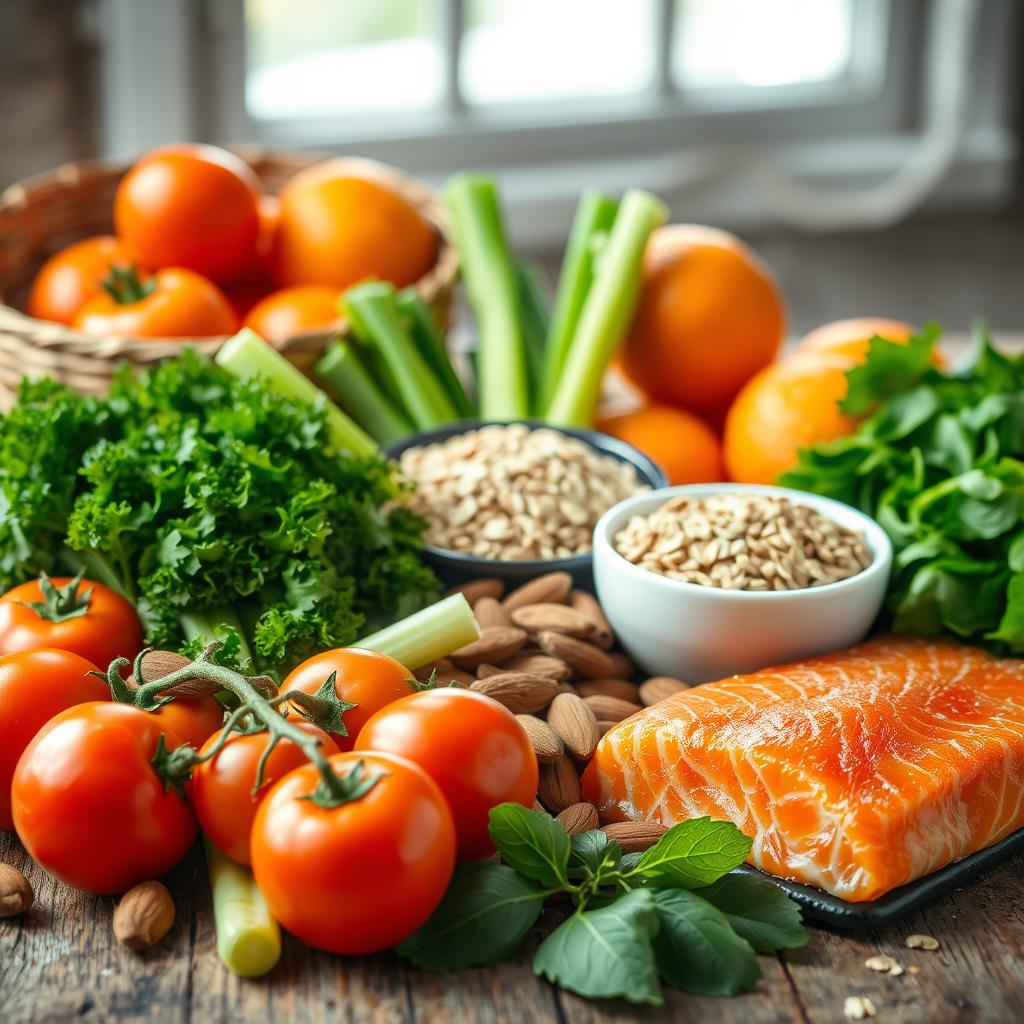
High blood pressure is a big problem in the U.S., quietly raising the risk of heart disease and stroke. Finding foods that lower blood pressure can be a big help for your heart health. Eating right is a natural and tasty way to keep your heart strong.
Choosing the right foods doesn’t have to be hard. Just a few simple changes in what you eat can make a big difference. Knowing which foods can help lower your blood pressure is a step towards a healthier life.
Key Takeaways
- Diet plays a critical role in blood pressure management
- Natural foods can help regulate cardiovascular health
- Small dietary changes can produce significant health benefits
- Nutrient-rich foods support heart function
- Prevention is key in managing blood pressure
Understanding Blood Pressure and Diet’s Impact on Heart Health
Blood pressure shows how well your heart is working. It’s the force of blood against artery walls. What you eat greatly affects these levels and your heart health.
How Food Choices Affect Blood Pressure Levels
Some foods can really help lower your blood pressure. The link between what you eat and blood pressure is strong.
- Sodium intake directly impacts blood pressure
- Nutrient-rich diets support cardiovascular function
- Processed foods can elevate blood pressure quickly
The Role of Nutrients in Blood Pressure Management
Some nutrients help control blood pressure. Potassium, magnesium, and fiber are key for a healthy heart.
“Your diet is a powerful tool in managing blood pressure naturally” – American Heart Association
DASH Diet Fundamentals
The DASH diet focuses on leafy greens, whole grains, and lean proteins. It’s been shown to lower blood pressure well.
| Nutrient | Blood Pressure Impact |
|---|---|
| Potassium | Reduces arterial tension |
| Magnesium | Supports blood vessel relaxation |
| Fiber | Promotes heart health |
Learning about these nutrients helps you make better food choices. This supports your heart health.
Leafy Greens: Nature’s Blood Pressure Regulators
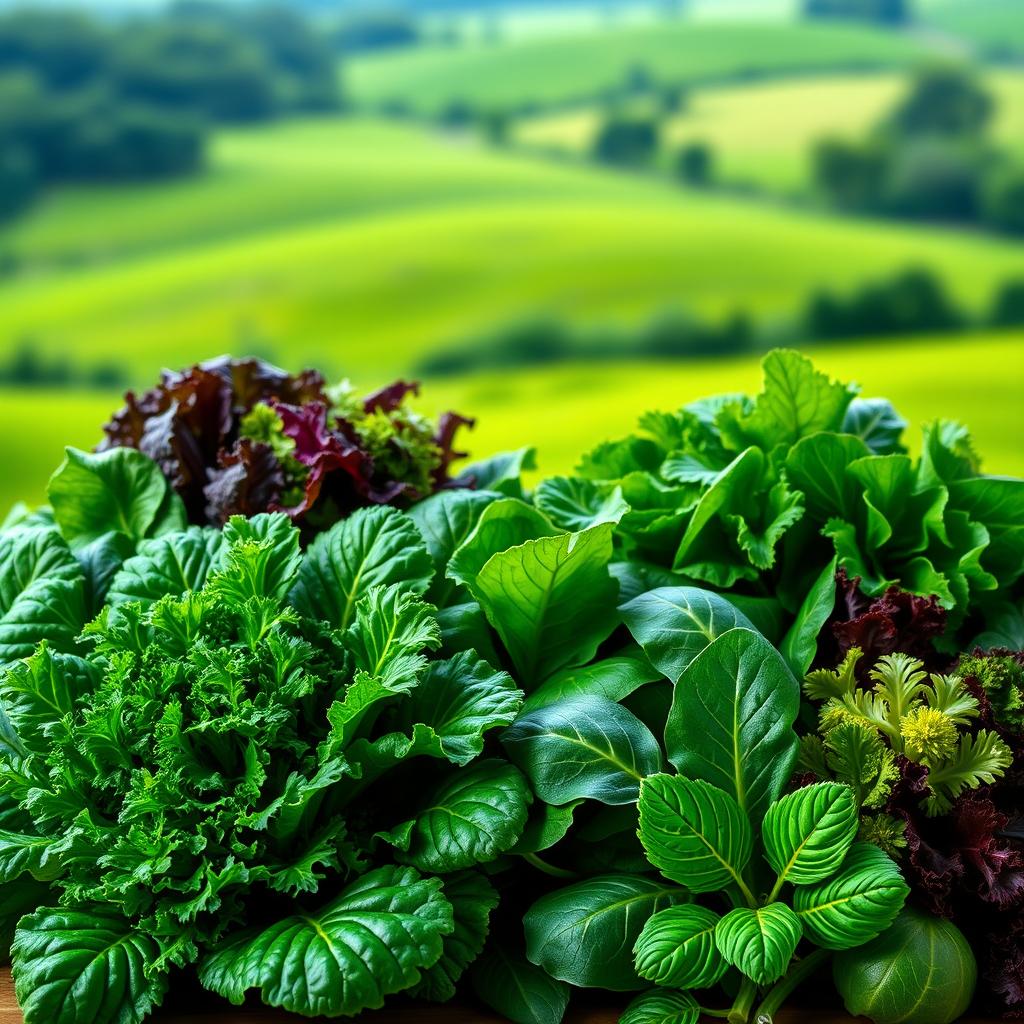
Leafy greens are nutritional powerhouses that can play a key role in managing blood pressure. These vibrant vegetables are full of essential nutrients. They support heart health and help regulate blood pressure naturally.
The secret behind leafy greens’ blood pressure-lowering magic lies in their impressive nutrient profile. Rich in potassium, these vegetables help counteract sodium’s negative effects. They promote healthy blood vessel function.
- Spinach: A top performer among leafy greens, loaded with nitrates
- Kale: Packed with antioxidants and minerals
- Swiss chard: Excellent source of magnesium
- Collard greens: High in calcium and vitamin K
“Let food be thy medicine and medicine be thy food” – Hippocrates
Incorporating leafy greens into your diet is easy. Start by adding a handful of spinach to your morning smoothie or enjoying a crisp kale salad for lunch. Aim for at least 2-3 servings of these nutritional powerhouses daily.
Cooking methods matter when preserving the nutrients in leafy greens. Steaming or lightly sautéing helps retain their blood pressure-regulating properties. It also makes them more palatable.
| Leafy Green | Potassium (mg per cup) | Nitrate Content |
|---|---|---|
| Spinach | 839 | High |
| Kale | 299 | Moderate |
| Swiss Chard | 961 | Low |
Your heart will thank you for making leafy greens a staple in your diet. These nutrient-dense vegetables offer a delicious and natural approach to supporting cardiovascular health.
Berries and Their Antioxidant Power for Heart Health
Berries are nutritional powerhouses that pack a significant punch for heart health. These vibrant fruits are not just delicious but offer remarkable benefits for managing blood pressure and supporting cardiovascular wellness.
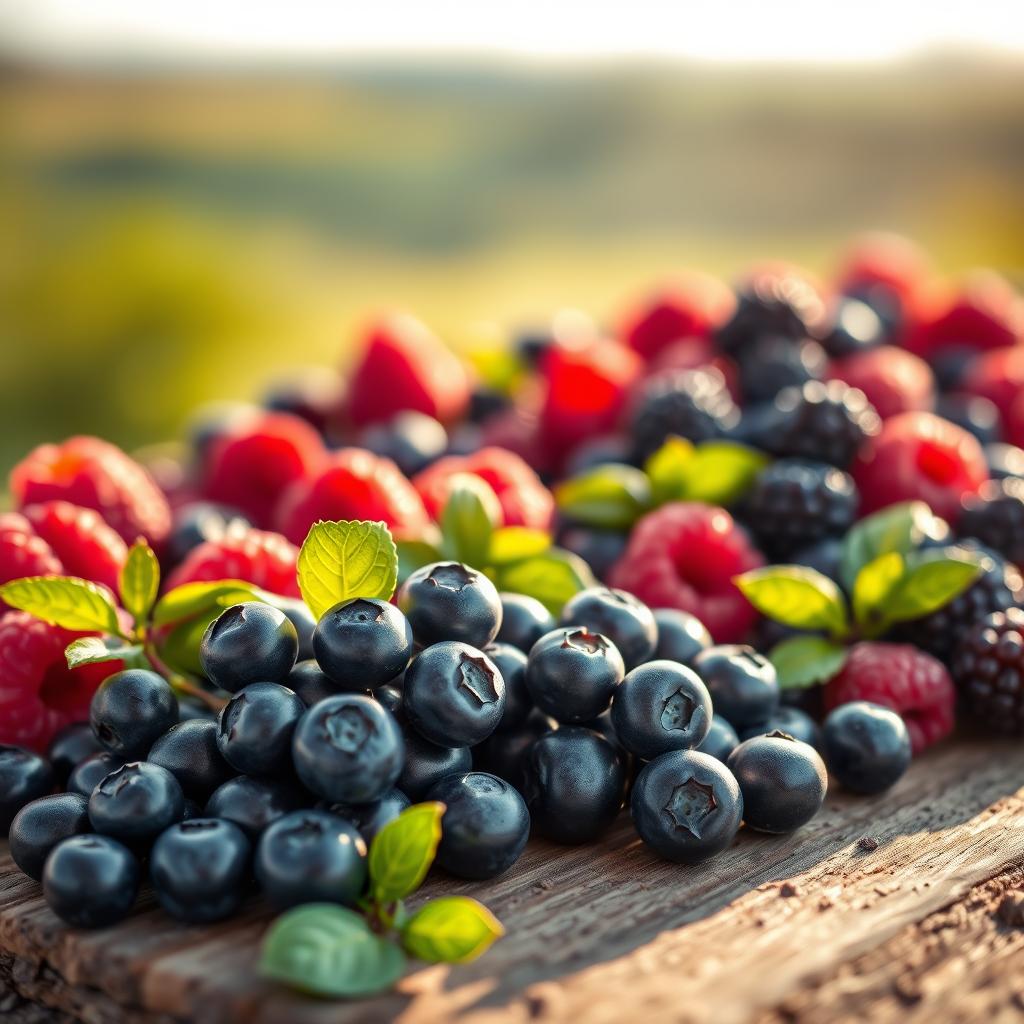
The antioxidant profile of berries makes them exceptional in protecting heart function. Rich in polyphenols and flavonoids, these small fruits work to reduce inflammation and improve blood vessel elasticity.
Best Types of Berries for Blood Pressure Control
- Blueberries: Highest antioxidant content among berries
- Strawberries: Excellent for reducing arterial stiffness
- Raspberries: High in potassium and fiber
- Blackberries: Support cardiovascular health
Recommended Daily Serving Sizes
Nutrition experts suggest consuming 1/2 to 1 cup of berries daily to maximize cardiovascular benefits. This modest serving can significantly impact heart health.
“Berries are nature’s sweet prescription for a healthy heart” – Dr. Elizabeth Roberts, Cardiovascular Nutritionist
Creative Ways to Include Berries in Your Diet
- Blend into morning smoothies
- Top yogurt or oatmeal
- Mix into salads
- Bake into whole grain muffins
- Enjoy as a fresh snack
By integrating these colorful berries into your diet, you can enjoy a delicious approach to supporting heart health and managing blood pressure naturally.
Oats and Whole Grains: Essential for Cardiovascular Health
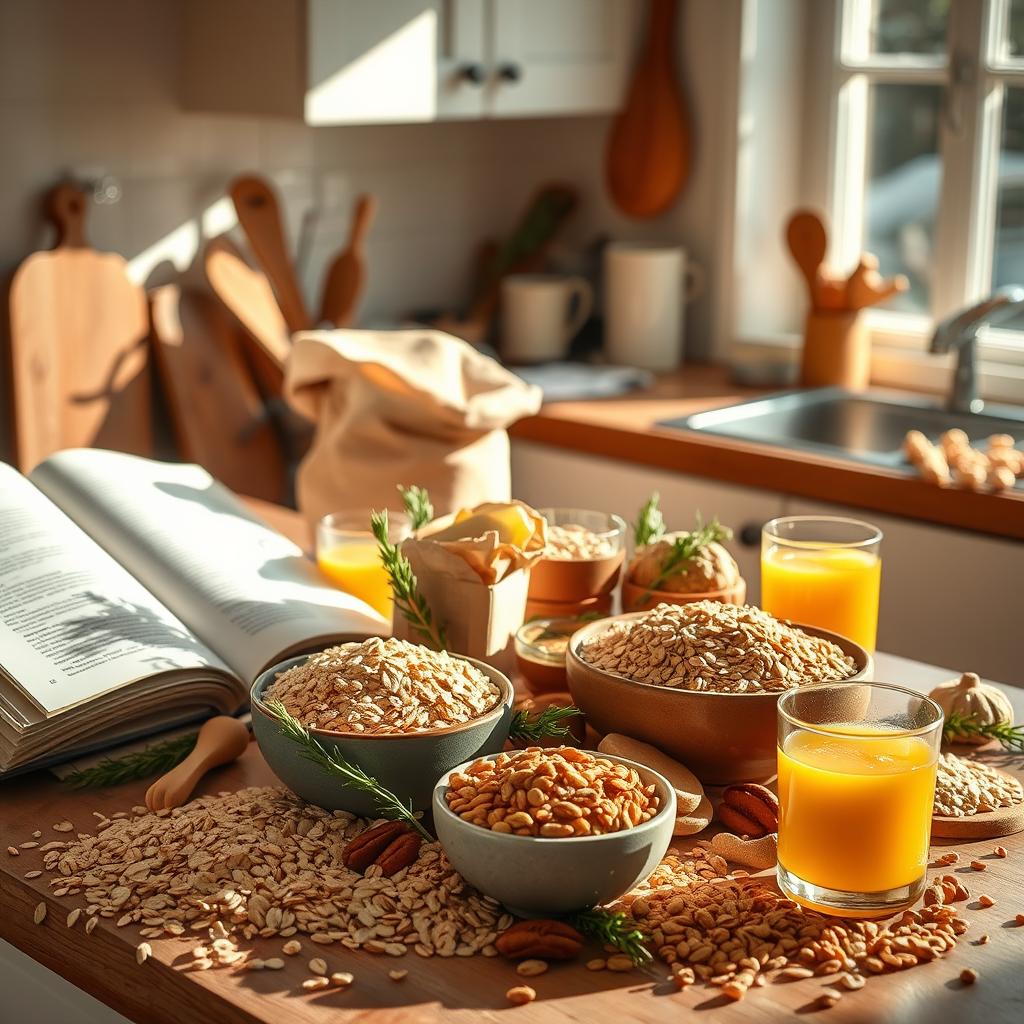
Oats are a nutritional powerhouse for heart health and managing blood pressure. These versatile whole grains are full of nutrients that protect your heart. They are rich in soluble fiber, which helps lower cholesterol and improve heart function.
“Food is your best medicine for heart health, and whole grains like oats are nature’s prescription for cardiovascular wellness.”
Nutritional experts say to add whole grains to your diet for heart health. Oats offer many benefits:
- Reduces bad cholesterol levels
- Supports healthy blood pressure regulation
- Provides sustained energy
- Improves digestive health
There are many whole grains that are good for your heart. Let’s look at some:
| Whole Grain | Key Benefits | Daily Recommended Serving |
|---|---|---|
| Oats | Lowers cholesterol, reduces inflammation | 1/2 cup |
| Quinoa | Complete protein, rich in minerals | 1/4 cup |
| Brown Rice | Supports blood sugar regulation | 1/2 cup |
There are fun ways to eat oats, like adding them to smoothies or baking them. The key is to be consistent and try different whole grains.
Foods to Help Lower Your Blood Pressure: A Comprehensive Guide
Managing blood pressure through diet is a powerful strategy for heart health. Understanding how specific foods work together can transform your approach to nutrition and cardiovascular wellness.
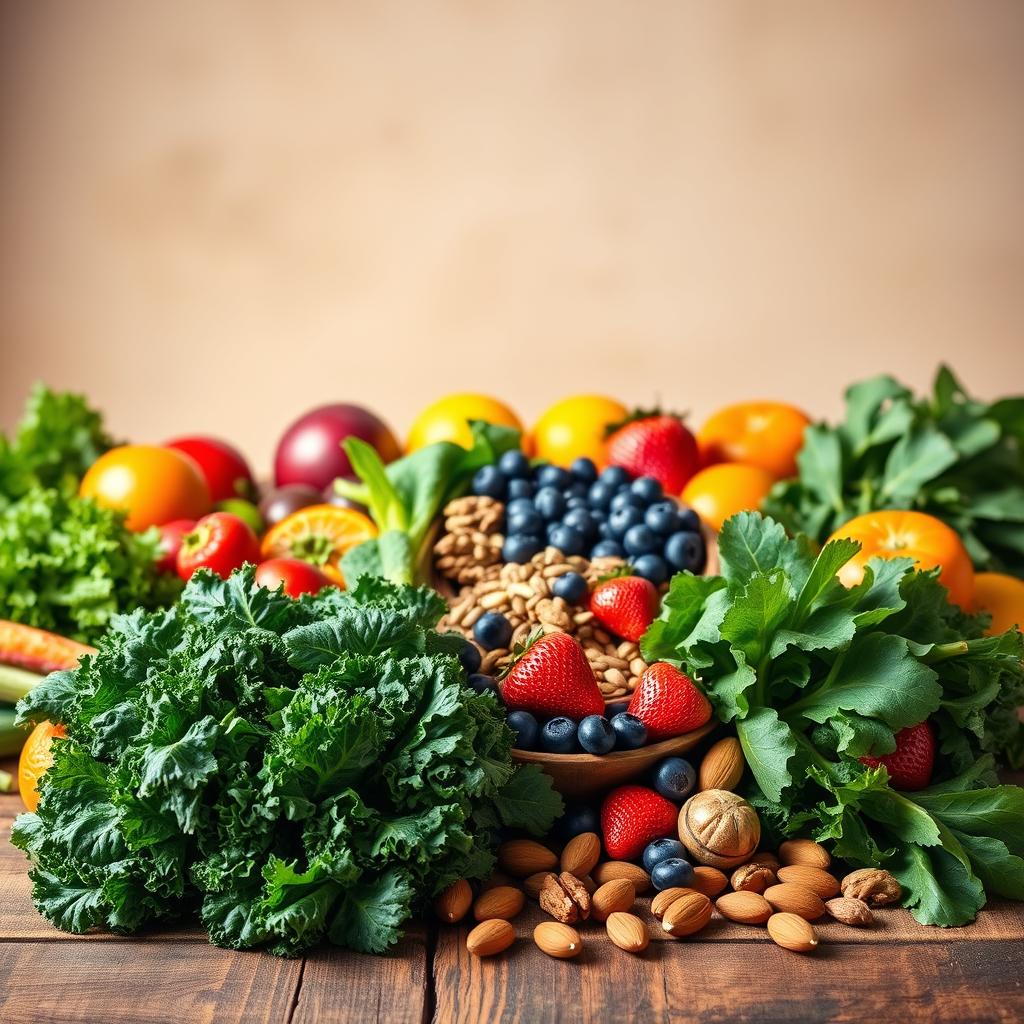
Nutrition plays a critical role in controlling blood pressure. The right combination of foods can create a natural approach to heart health that complements medical treatments.
Key Nutrients to Look For
When selecting foods to help lower your blood pressure, focus on these essential nutrients:
- Potassium: Helps balance sodium levels
- Magnesium: Supports blood vessel relaxation
- Calcium: Supports healthy blood pressure regulation
- Fiber: Promotes overall cardiovascular health
Timing and Portion Recommendations
Strategic meal planning can maximize the blood pressure-lowering benefits of your diet. Consider these guidelines:
- Spread nutrient-rich foods across multiple meals
- Consume yogurt as a morning or afternoon snack
- Aim for balanced portion sizes
- Maintain consistent meal times
Combining Foods for Maximum Benefits
“Food synergy can amplify nutritional benefits beyond individual ingredients.”
Pairing complementary foods can enhance their blood pressure-lowering effect. For example, mixing yogurt with berries or nuts can offer a nutritional boost.
Try different food combinations to find tasty ways to support your heart health naturally.
Fatty Fish Rich in Omega-3s
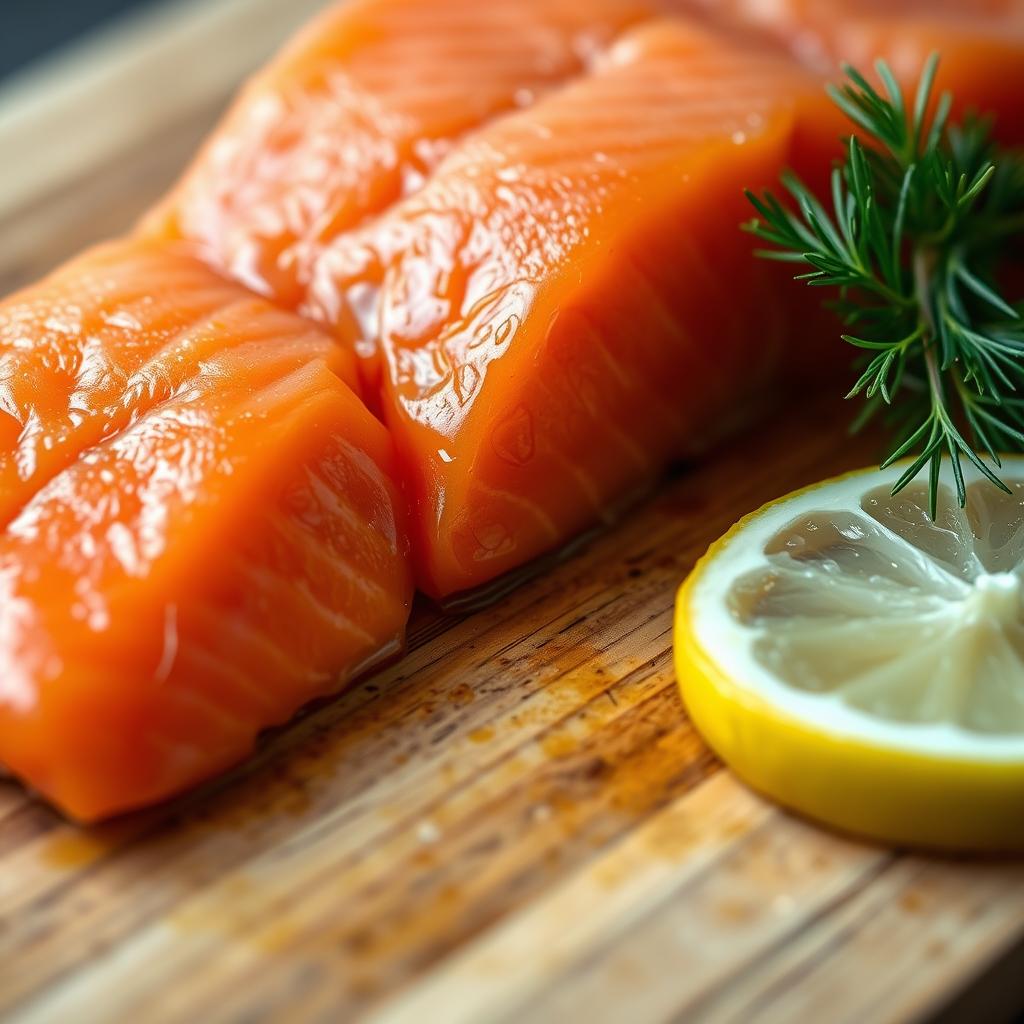
Fatty fish are nutritional powerhouses for heart health and managing blood pressure. They are packed with omega-3 fatty acids that boost cardiovascular wellness. Nutrition experts suggest adding fatty fish to your diet for natural blood pressure support.
The omega-3 in fatty fish is truly magical. These nutrients do great things like:
- Reducing inflammation in blood vessels
- Lowering triglyceride levels
- Supporting overall heart function
- Promoting more flexible arteries
Not all fatty fish are created equal. Some of the best choices are:
- Salmon
- Mackerel
- Sardines
- Herring
- Albacore tuna
“Eating fatty fish twice a week can make a significant difference in your cardiovascular health.” – American Heart Association
Cooking fatty fish is easy. Try grilling, baking, or broiling to keep nutrients intact. Aim for 3-4 ounce servings, seasoned with herbs and lemon, for great taste and heart health.
Choose wild-caught fatty fish and support sustainable fishing. Your heart and the environment will appreciate your thoughtful choices.
Nuts and Seeds: Heart-Healthy Snacking Options
Looking for snacks that are good for your heart? Nuts are a great choice. They are packed with nutrients that help your heart stay healthy. Eating nuts can even help control blood pressure.
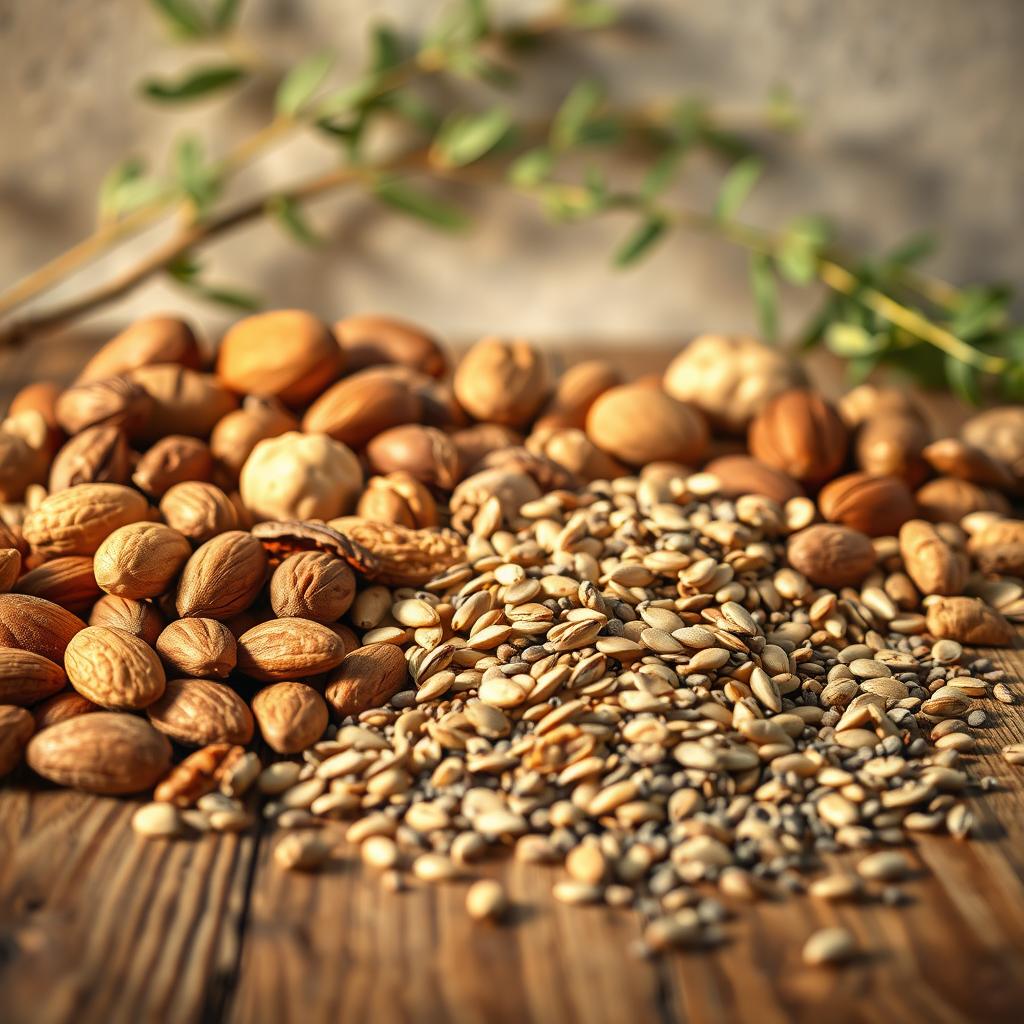
Nuts are full of nutrients that help with blood pressure. They have minerals like potassium and magnesium. These help your heart work well. The Mayo Clinic says nuts are very important for heart health
Top Varieties for Blood Pressure Management
- Almonds: High in magnesium and potassium
- Walnuts: Packed with omega-3 fatty acids
- Pistachios: Low in calories, high in nutrients
- Pecans: Rich in antioxidants
Storage Tips and Serving Suggestions
| Nut Type | Storage Method | Recommended Serving |
|---|---|---|
| Almonds | Airtight container, cool place | 1 ounce (about 23 nuts) daily |
| Walnuts | Refrigerate to prevent rancidity | 1/4 cup per day |
| Pistachios | Sealed bag in pantry | 1 ounce (49 nuts) daily |
Pro tip: Add nuts to salads, yogurt, or enjoy them alone. The secret to good health is eating in moderation and trying different foods.
“Let food be thy medicine and medicine be thy food” – Hippocrates
Even though nuts are healthy, they have a lot of calories. So, it’s important to only eat the recommended amount. This way, you get the health benefits without too many calories.
Dark Chocolate and Its Cardiovascular Benefits

Dark chocolate is more than just a tasty treat. It’s a superfood that’s great for your heart. It’s packed with flavonoids, which are good for your heart health.
Studies show that dark chocolate has special compounds that help control blood pressure. These compounds, called flavanols, make blood vessels work better. This improves heart health.
“Not all chocolate is created equal. The darker, the better for your heart.” – Cardiovascular Nutrition Expert
Cardiovascular Benefits of Dark Chocolate
- Reduces inflammation in blood vessels
- Improves blood flow
- Helps lower blood pressure
- Supports healthy cholesterol levels
When picking dark chocolate, go for at least 70% cocoa content. This type has the most health benefits and less sugar.
Recommended Consumption Guidelines
- Limit intake to 1-2 ounces daily
- Choose high-quality, minimally processed dark chocolate
- Avoid chocolates with excessive added sugars
Dark chocolate can be a great part of a healthy diet. Enjoy it as a small treat each day. It’s good for your heart and satisfies your sweet tooth.
Yogurt and Other Probiotic-Rich Foods
Keeping your heart healthy is more than just following a diet. Foods rich in probiotics, like yogurt, offer a special way to help your heart. These foods are full of good bacteria that can help lower blood pressure and improve health.
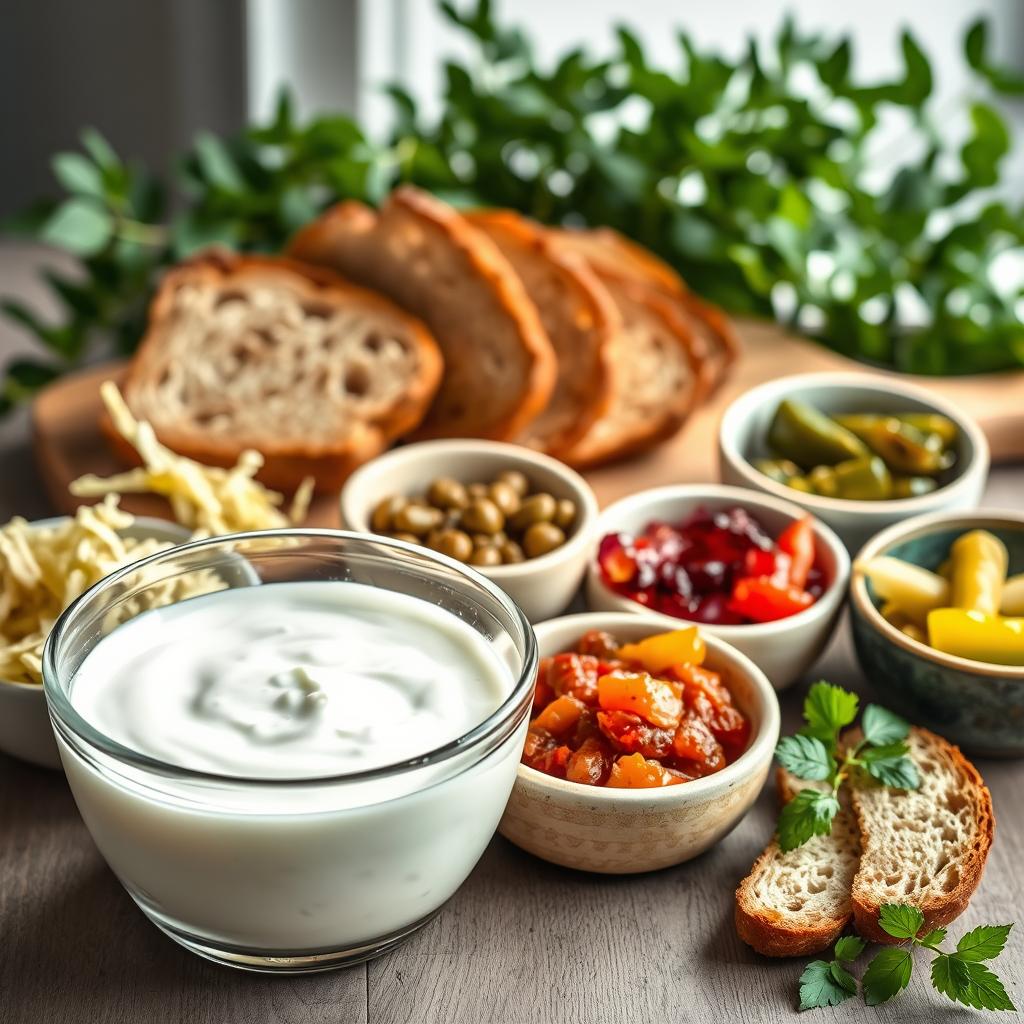
Your gut health is key to managing blood pressure. Exploring dietary strategies shows how probiotics can benefit your heart.
Benefits of Fermented Foods
Yogurt is a nutritional superstar with many health perks:
- Supports a healthy gut microbiome
- Provides important nutrients like calcium and protein
- May reduce inflammation
- Potentially lowers blood pressure
Choosing the Right Probiotic Foods
Not all yogurt is the same. Here’s what to look for in probiotic-rich yogurt:
- Live and active cultures
- Low sugar content
- Minimal processing
- Organic or grass-fed sources
“Your gut is your second brain – nourish it wisely.” – Nutrition Experts
Adding yogurt to your diet is easy. Try it as a breakfast topping, smoothie base, or healthy snack. The important thing is to be consistent and pick high-quality, probiotic-rich yogurts that are good for your heart.
Garlic and Herbs: Natural Blood Pressure Reducers
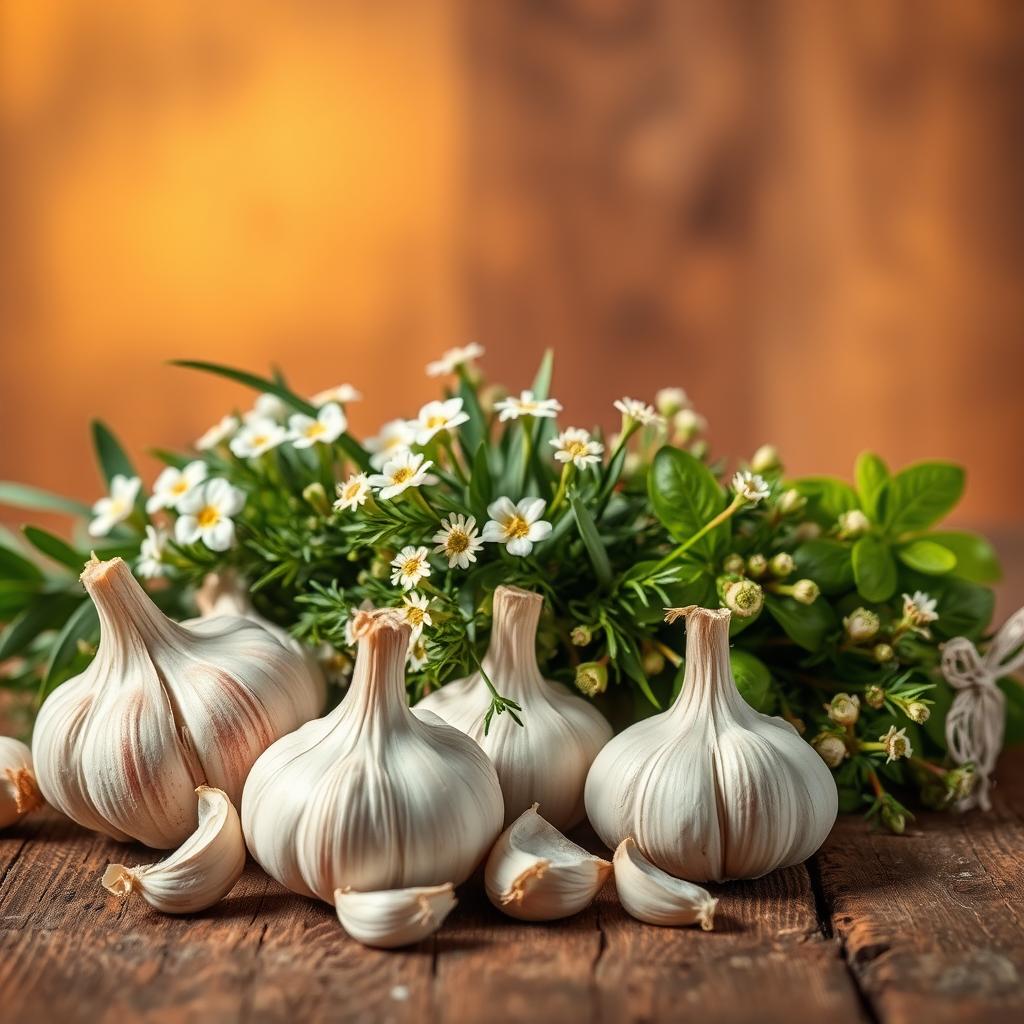
Nature has many allies for managing blood pressure, with garlic being a top choice. This simple herb is a powerhouse for heart health. It contains allicin, which relaxes blood vessels and fights inflammation.
Garlic’s benefits go beyond just taste. Studies show it can lower blood pressure naturally. Nutrition experts say to add fresh garlic to your meals for the best results.
- Raw garlic provides the most potent health benefits
- Crushed or chopped garlic releases the most active compounds
- Aim for 1-2 cloves daily for optimal heart health
Other herbs also help manage blood pressure:
| Herb | Blood Pressure Benefits | Recommended Use |
|---|---|---|
| Basil | Reduces arterial tension | Fresh in salads or cooking |
| Parsley | Supports kidney function | Garnish or tea |
| Thyme | Improves heart health | Dried or fresh in dishes |
“Let food be thy medicine and medicine be thy food” – Hippocrates
Cooking with garlic and herbs does more than just add flavor. It also boosts your heart health. Try using these natural ingredients to make tasty, healthy meals.
Conclusion
Managing blood pressure doesn’t have to be hard. By looking into foods that help lower blood pressure, you’ve made a big step towards better heart health. The foods we talked about are full of nutrients and can help your heart naturally.
Every food group we looked at, like leafy greens and berries, fatty fish, and nuts, has special benefits. Adding these foods to your meals can make a big difference. Even small changes can lead to big improvements in your heart health.
Your heart needs your attention, and food is key to keeping it healthy. Eating foods high in potassium, magnesium, and antioxidants is a smart move. Try out these heart-healthy foods and see how tasty it can be to manage your blood pressure.
Health is about making smart choices and finding balance. Talk to your doctor about a diet plan that fits you. It should help you reach your heart health goals.
FAQ
How quickly can diet changes impact my blood pressure?
You might see blood pressure improvements in 2-4 weeks with diet changes. Eating heart-healthy foods like leafy greens, berries, and fatty fish can help quickly. Remember to also exercise regularly and eat a balanced diet.
Are there specific portion sizes I should follow for blood pressure-lowering foods?
Yes, portion sizes matter. Eat about 1/2 cup of berries daily and 3-4 ounces of fatty fish 2-3 times a week. Snack on a small handful (1 ounce) of nuts. Always talk to a healthcare professional for personalized advice.
Can I lower my blood pressure through diet alone?
Diet is important, but it’s best with other lifestyle changes. Diet can lower blood pressure, but it works better with exercise, stress management, and less sodium. Always follow your doctor’s advice.
Are there any foods I should avoid if I’m trying to lower my blood pressure?
Yes, avoid high-sodium foods, processed meats, too much alcohol, and saturated fats. Cut down on caffeine, sugary drinks, and processed snacks. Focus on whole foods like fruits, vegetables, whole grains, and lean proteins.
How does the DASH diet work for blood pressure management?
The DASH diet focuses on fruits, vegetables, whole grains, and lean proteins. It also reduces sodium. This diet is designed to lower blood pressure by providing nutrients like potassium, magnesium, and fiber.
Can dark chocolate really help lower blood pressure?
Yes, dark chocolate with 70% cocoa or more has flavonoids that can lower blood pressure. But eat it in moderation – a small piece (1 ounce) a few times a week is best.
How much garlic should I consume for blood pressure benefits?
Eating 1-2 cloves of fresh garlic daily can support healthy blood pressure. You can add minced garlic to food, take supplements, or use it in dressings and dishes.
Are frozen or fresh berries equally effective for blood pressure?
Both fresh and frozen berries are good for blood pressure. Frozen berries are often picked at peak ripeness. Choose unsweetened options to get the most benefits.


