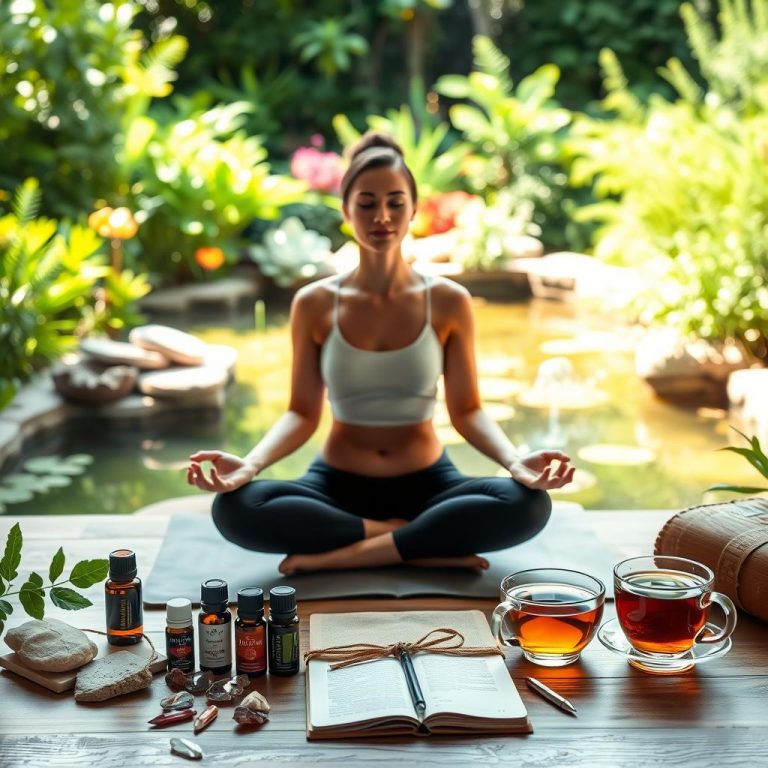
The Best Fluffy Pancakes recipe you will fall in love with. Full of tips and tricks to help you make the best pancakes.

Ways To Relieve Stress
In today’s fast-paced world, stress is a common problem for many Americans. Our jobs, personal issues, and always being connected online add to our stress. Learning how to manage stress is key to staying healthy and feeling good.
Stress relief techniques are more than just a quick fix. They’re essential for keeping your mind and body healthy. Long-term stress can harm your immune system and even increase heart disease risk. But, there are quick and effective ways to reduce stress and find peace.
This guide will cover proven ways to handle stress. We’ll look at simple, effective strategies that fit any life. Whether you’re working hard, studying, or dealing with everyday stress, these tips will help you find solutions.
Key Takeaways
- Stress impacts physical and mental health significantly
- Multiple effective stress management strategies exist
- Quick stress relief techniques can be learned and practiced
- Holistic approaches address stress from multiple angles
- Personal wellness requires proactive stress management
Understanding Stress and Its Impact on Your Body
Stress is more than just a feeling in your mind. It’s a complex response that affects both your body and mind. Our bodies can handle stress, but too much can harm our health and well-being.
When stress lasts a long time, it causes many physical and mental problems. Knowing how stress works helps us deal with these issues.
Physical Symptoms of Chronic Stress
Chronic stress shows up in many ways:
- Persistent headaches
- Muscle tension and pain
- Digestive system disruptions
- Weakened immune response
- Cardiovascular strain
How Stress Affects Mental Health
Stress has a big impact on our mental health. Long-term stress can cause:
- Increased anxiety levels
- Depression
- Cognitive function impairment
- Emotional exhaustion
- Reduced concentration
“Stress is not what happens to you, but how you react to it.” – Hans Selye
The Science Behind Stress Response
Our body’s stress response, known as the fight-or-flight mechanism, involves complex hormones. Cortisol, the main stress hormone, helps control our body during stressful times.
Understanding these stress patterns helps us find ways to manage stress and keep our health safe.
Best Ways to Relieve Stress Through Physical Activity

Stress can feel overwhelming, but physical activity offers a powerful antidote. Exercise for stress relief isn’t just about intense workouts. It’s about finding movement that helps you unwind and recharge.
Different types of physical activity can dramatically reduce stress levels. Stress-reducing workouts don’t have to be complicated or time-consuming. The key is consistency and finding activities you genuinely enjoy.
“Movement is medicine for creating change in a person’s physical, emotional, and mental states.” – Anonymous
- Cardiovascular exercises that boost endorphins
- Strength training to release tension
- Mind-body practices like yoga
- Low-impact activities such as walking
Physical activity and stress management are closely connected. When you exercise, your body releases natural mood-boosting chemicals. These chemicals help combat stress hormones.
| Exercise Type | Stress Relief Benefit | Recommended Duration |
|---|---|---|
| Yoga | Reduces cortisol levels | 30-45 minutes |
| Running | Releases endorphins | 20-30 minutes |
| Swimming | Low-impact stress reduction | 45 minutes |
Start small and build your exercise routine gradually. Even 15-20 minutes of daily movement can significantly improve your stress management capabilities.
Natural Remedies and Lifestyle Changes for Stress Management
Stress doesn’t always need medicine. Natural remedies can offer great relief when used daily. Learning about wellness can help you manage stress better.

Herbal Solutions for Stress Relief
Many herbal supplements help with stress:
- Chamomile tea: It relaxes and lowers anxiety
- Ashwagandha: It balances cortisol levels
- Lavender: It calms the nervous system and improves sleep
Diet Modifications to Reduce Stress
Eating right is key to feeling good. Eat foods that help your brain and mood.
- Eat foods rich in omega-3s like salmon and walnuts
- Choose complex carbs for steady energy
- Drink less caffeine and alcohol
Sleep Hygiene Techniques
Good sleep helps fight stress. A calm bedtime routine can make you more resilient.
- Stick to a regular sleep schedule
- Make your bedroom dark and cool
- Stay away from screens before bed
- Try deep breathing to relax
“Sleep is the golden chain that binds health and our bodies together.” – Thomas Dekker
Using these natural stress management tips can change how you feel. It helps you stay strong and balanced.
Mindfulness and Meditation Techniques for Immediate Stress Relief
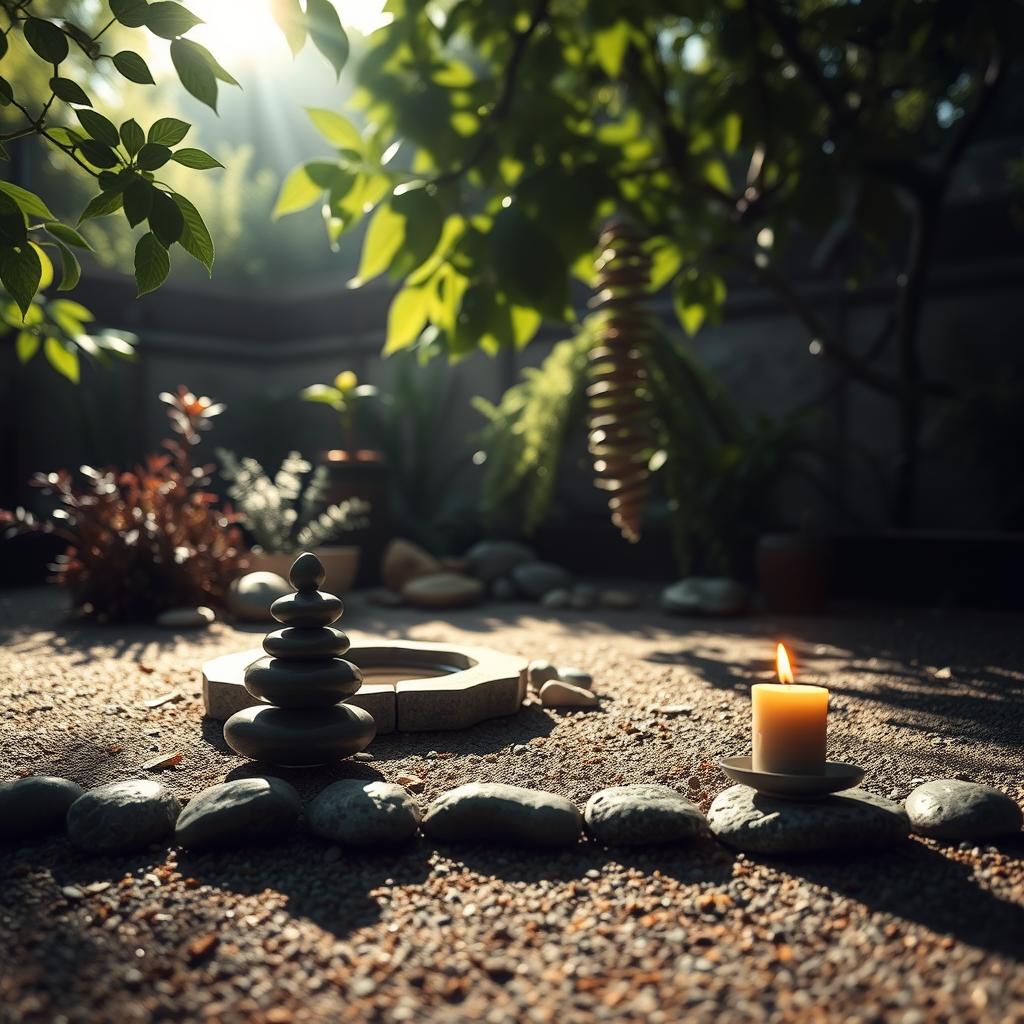
Stress can feel overwhelming, but mindfulness offers quick stress relief techniques. Meditation for stress doesn’t need special equipment or years of training. Just a few moments of focused attention can change your mental state.
Let’s explore simple mindfulness techniques for finding calm in chaos:
- Deep Breathing Exercise: Sit comfortably and focus on your breath. Inhale for 4 counts, hold for 4, then exhale for 4 counts. Repeat 5-10 times.
- Body Scan Meditation: Slowly move your attention from your toes to the top of your head, noticing any tension and consciously releasing it.
- Mindful Walking: Take a slow walk, paying attention to each step and your surroundings. Feel the ground beneath your feet.
“Peace begins when expectation ends” – Sri Chinmoy
Meditation for stress can be as simple as taking a few minutes to ground yourself. These mindfulness practices help activate your body’s relaxation response. They reduce cortisol levels and promote emotional balance.
Key tips for successful meditation:
- Start with short 5-minute sessions
- Be patient with yourself
- Practice consistently
- Find a quiet, comfortable space
Remember, quick stress relief techniques get better with practice. Don’t worry about doing them perfectly. Just showing up and being present is what matters most in your mindfulness journey.
Conclusion: Creating Your Personal Stress Management Plan
Creating a stress relief plan needs careful thought and dedication. Start by figuring out which stress-reducing activities work best for you. Some people love yoga, while others enjoy meditation or exercise.
Try out different stress management strategies to see what works. Keep a stress journal to track your progress. This helps you find what triggers stress and what helps you cope. Remember, it’s about making small, steady steps towards feeling better.
Stress management is a journey that changes over time. Your plan might need updates as you try new things or face new challenges. Be kind to yourself and open to making changes. Focus on self-care and setting achievable goals. Learning to manage stress is a skill you can always improve.
Your dedication to your well-being is key to a successful stress management plan. Use a mix of activities like exercise, mindfulness, healthy eating, and emotional support. By taking care of yourself, you can find lasting ways to reduce stress and improve your life.
FAQ
What are the most effective stress relief techniques?
Effective stress relief techniques include regular exercise and mindfulness meditation. Deep breathing exercises, yoga, and a balanced diet are also helpful. Getting enough sleep and managing your time well are key. Everyone is different, so try various methods to find what works best for you.
How quickly can I see results from stress management strategies?
Results can vary, but many see improvements in 2-4 weeks. Quick methods like deep breathing offer immediate relief. Long-term strategies like regular exercise and lifestyle changes show more benefits over time.
Can stress actually harm my physical health?
Yes, chronic stress can harm your health. It can lead to high blood pressure, a weakened immune system, and heart disease. It can also cause digestive problems and increase the risk of anxiety and depression. Managing stress is crucial for your well-being.
Are there natural remedies that can help reduce stress?
Yes, natural remedies like ashwagandha and chamomile can help. Essential oils like lavender and adaptogenic herbs are also beneficial. Regular exercise, enough sleep, and dietary changes can also reduce stress. Always talk to a healthcare professional before trying new supplements.
How does exercise help in stress reduction?
Exercise reduces stress by releasing endorphins and lowering cortisol levels. It improves sleep quality and provides a healthy outlet for emotions. Activities like walking, swimming, cycling, and yoga are great for stress management.
What role does diet play in managing stress?
Diet is crucial for managing stress. Foods rich in omega-3s, complex carbs, and antioxidants help regulate stress responses. Avoiding too much caffeine, sugar, and alcohol helps maintain a stable mood and energy.
Can meditation really help with stress relief?
Yes! Meditation calms the nervous system, lowers heart rate, and reduces cortisol levels. Even short daily sessions can improve stress management and mental well-being.
How can I incorporate stress relief into a busy schedule?
Start with small steps like 5-minute breathing exercises and quick meditation. Take short walks and practice mindfulness during daily activities. Prioritize sleep and find techniques that fit your lifestyle.
What are signs that my stress levels are too high?
Signs of high stress include fatigue, difficulty sleeping, irritability, and muscle tension. Frequent headaches, changes in appetite, reduced concentration, and feeling overwhelmed are also indicators. If these symptoms last, seek professional help.
Are there workplace strategies for managing stress?
Yes, effective strategies include setting clear boundaries and practicing time management. Take regular breaks, communicate openly, and maintain a organized workspace. Techniques like deep breathing or short meditation during the workday can also help.