
The Best Fluffy Pancakes recipe you will fall in love with. Full of tips and tricks to help you make the best pancakes.
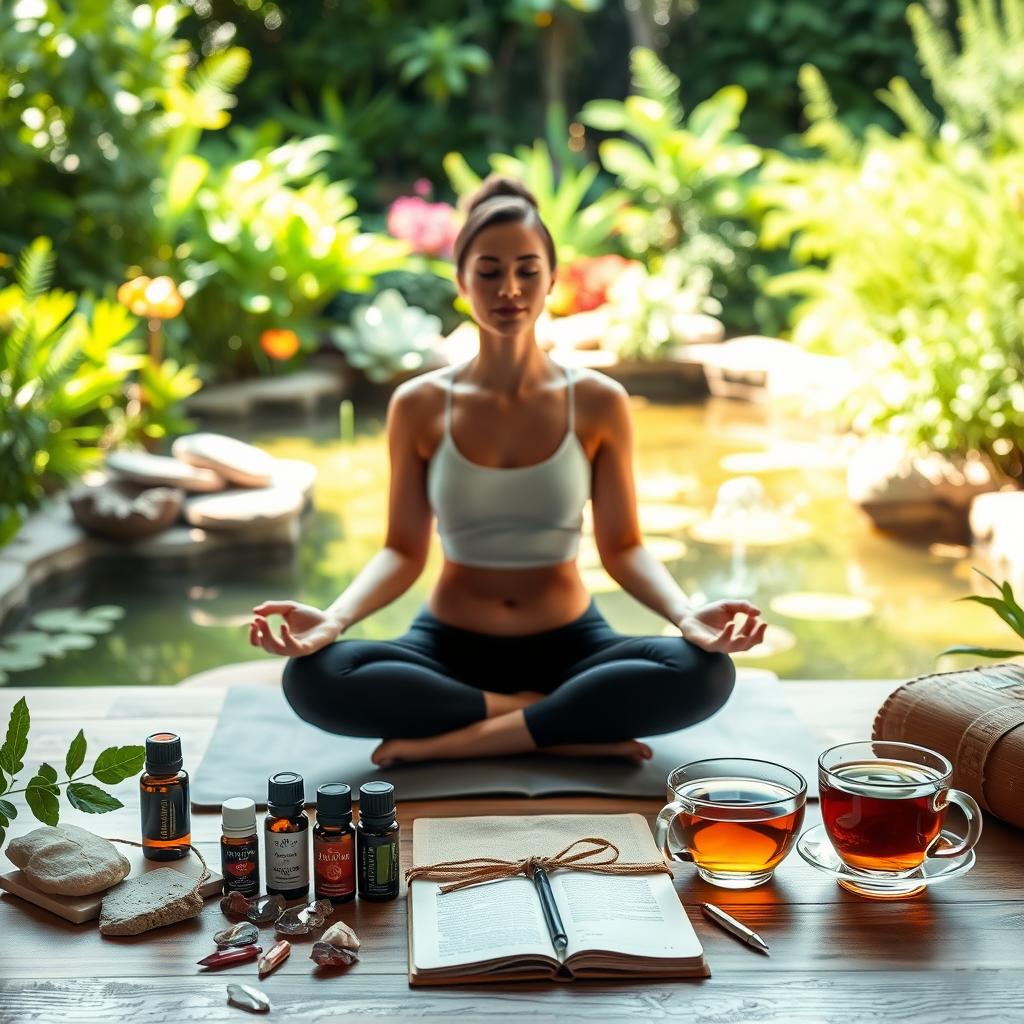
Modern life is complex, and we need a full approach to wellness. Self-care is key for keeping our minds and bodies healthy. It helps us live a balanced life.
Holistic wellbeing is more than a trend. It’s a way to care for our health by focusing on all aspects of wellness. By using integrated health strategies, we can build strong practices for our mental and physical health.
Starting the wellness journey means seeing self-care as essential, not a luxury. It’s about making mindful choices and living intentionally. These steps help us lead a more balanced and happy life.
Key Takeaways
- Self-care encompasses mental and physical health strategies
- Holistic wellness requires integrated, intentional approaches
- Personal health is a dynamic and ongoing process
- Small, consistent actions create significant wellness improvements
- Mental and physical health are deeply interconnected
Understanding the Foundation of Self-Care and Holistic Wellness
In today’s fast-paced world, taking care of our mental and physical health is key. Self-care is now a must for dealing with life’s ups and downs.
Our modern lifestyle needs a full health approach that covers both mind and body. Knowing how mental and physical health are linked helps us care for ourselves better.
Defining Self-Care in Modern Life
Self-care is more than just relaxing sometimes. It’s about making choices that boost our mental and physical health. This includes:
- Emotional regulation techniques
- Regular physical activity
- Nutritional mindfulness
- Stress management strategies
The Mind-Body Connection
Mental and physical health are closely linked. Our emotions can affect our body’s health, and vice versa. This shows how our mind and body work together.
“Your mind and body are not separate entities, but a unified system working in constant communication.” – Dr. Rachel Thompson
Benefits of Regular Self-Care Practice
| Self-Care Domain | Key Benefits |
|---|---|
| Mental Health | Reduced anxiety, improved emotional resilience |
| Physical Wellness | Enhanced immune function, increased energy levels |
| Emotional Balance | Better stress management, improved relationships |
Regular self-care turns personal wellness into a proactive lifestyle choice.
Best Self-Care Ideas for Mental and Physical Wellbeing
Exploring self-care means looking at the whole picture. It’s about improving both your mind and body. Stress management is key to good self-care.
Understanding how mental and physical health are connected is important. It helps you make better self-care plans. Here are the main parts of being well:
- Emotional regulation and mental clarity
- Physical activity and movement
- Nutritional balance
- Sleep optimization
- Mindfulness practices
“Self-care is not selfish. You cannot serve from an empty vessel.” – Eleanor Brown
Creating lasting healthy habits needs personal plans that fit you. Everyone’s self-care path is unique. It’s all about being flexible and kind to yourself.
| Self-Care Domain | Key Benefits |
|---|---|
| Mental Wellness | Reduced anxiety, improved emotional resilience |
| Physical Health | Enhanced energy, better immune function |
| Emotional Balance | Increased self-awareness, stress management |
By mixing different self-care ideas, you can build a strong health plan. This plan supports your long-term health and happiness.
Creating a Sustainable Morning Routine for Better Mental Health
Changing your morning routine can greatly help your mental health. How you start your day affects your mood and health.
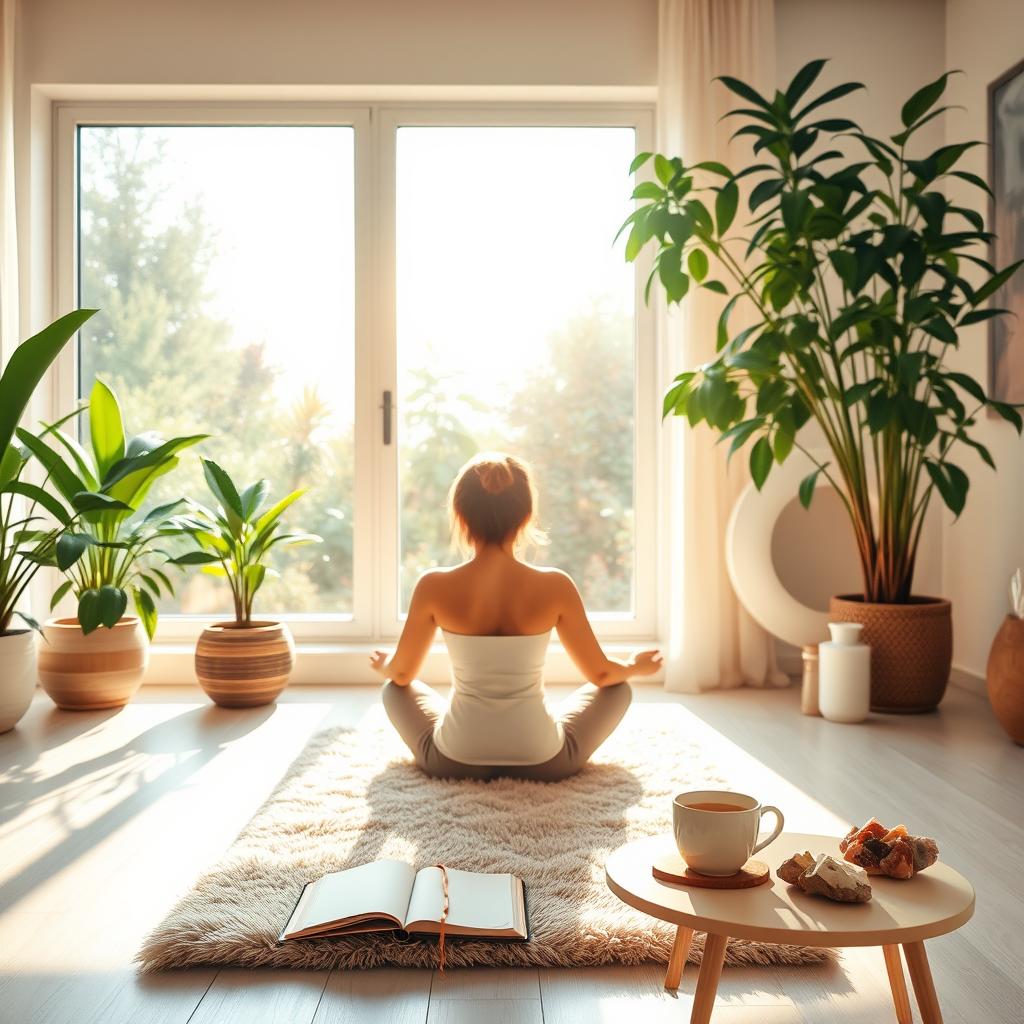
A good morning routine is more than just doing things. It’s about being mindful and taking care of yourself.
Mindful Morning Practices
Mindful morning habits can make you feel clearer and stronger. Try these:
- Wake up at the same time every day
- Do 10 minutes of meditation or deep breathing
- Don’t check your phone right away
- Stretch or do some yoga to wake up
Energizing Breakfast Ideas
What you eat for breakfast is key for your mind. An energizing breakfast keeps you fit and sharp.
| Breakfast Option | Mental Health Benefits |
|---|---|
| Overnight Oats with Berries | Good for your brain, keeps your mood steady |
| Protein Smoothie | Gives you energy, helps your brain work better |
| Avocado Toast with Eggs | Full of nutrients for your brain |
Setting Daily Intentions
Setting goals is a great way to take care of your mind. Take five minutes each morning to write down three achievable goals. This helps you stay focused and positive.
“Your morning sets the tone for the entire day. Make it count.” – Unknown
By following these tips, you’ll make a morning routine that’s good for your mind and body.
Physical Exercise and Movement for Emotional Balance
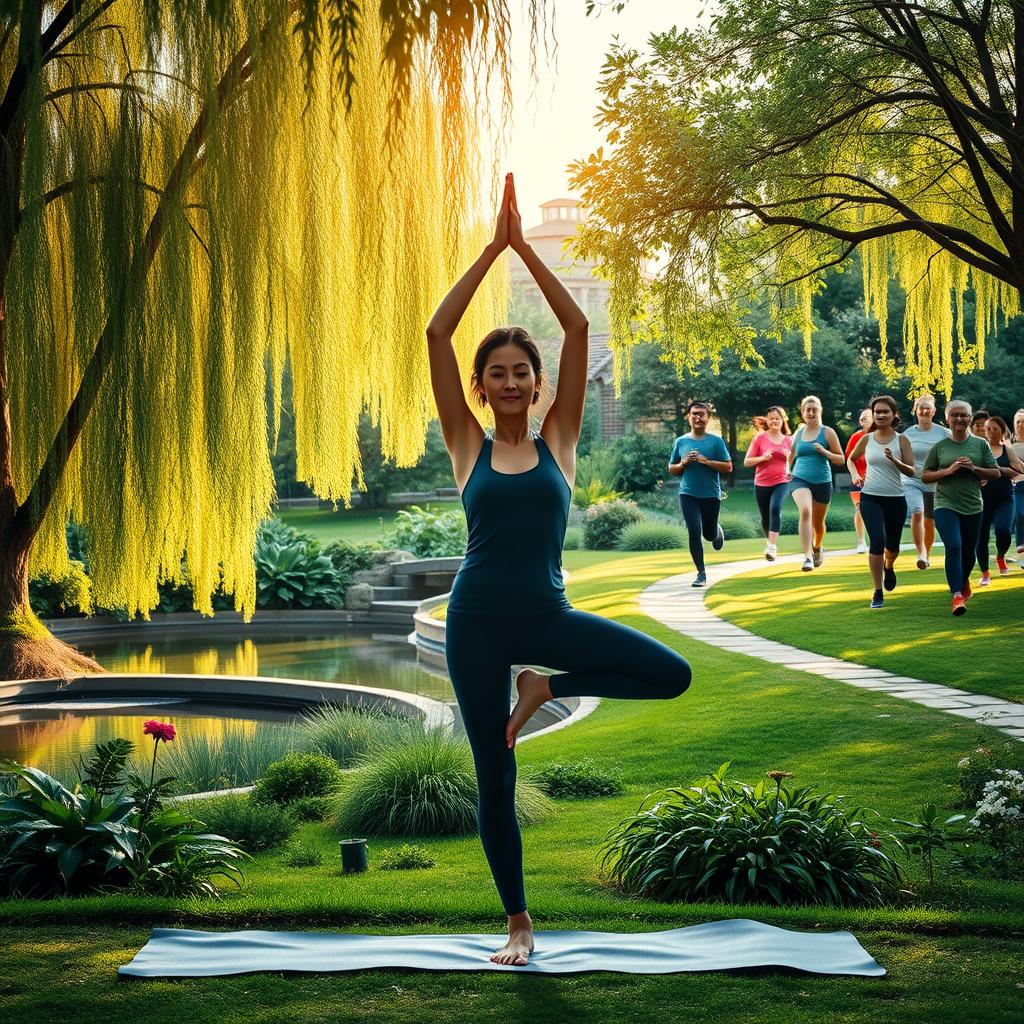
Movement is a strong tool for emotional health. It’s not just about getting fit; it’s key for mental health too. Regular exercise can change your mood, helping you fight stress and feel happier.
“Exercise is not just about physical fitness, but mental resilience.” – Dr. Sarah Johnson, Sports Psychologist
There are many ways to relieve stress through physical activities. Some like intense cardio, while others enjoy yoga or walking. The most important thing is finding what works best for you.
- High-intensity interval training (HIIT) for quick stress release
- Yoga for mind-body connection
- Walking or hiking for outdoor relaxation
- Dance classes for emotional expression
Studies by the Mental Health Foundation show that regular exercise can lower anxiety and depression.
| Exercise Type | Emotional Benefits | Recommended Duration |
|---|---|---|
| Cardio | Stress reduction | 30 minutes, 3-5 times weekly |
| Strength Training | Confidence boost | 2-3 sessions per week |
| Yoga | Emotional regulation | 45-60 minutes, 2-3 times weekly |
Remember, the best exercise routine is one you’ll actually enjoy and maintain consistently. Start small, listen to your body, and gradually build your physical wellness strategy.
Mindfulness and Meditation Techniques for Stress Relief
Modern life is complex, and we need strong stress relief methods. Mindfulness practices are a powerful way to manage daily stress and improve emotional health.
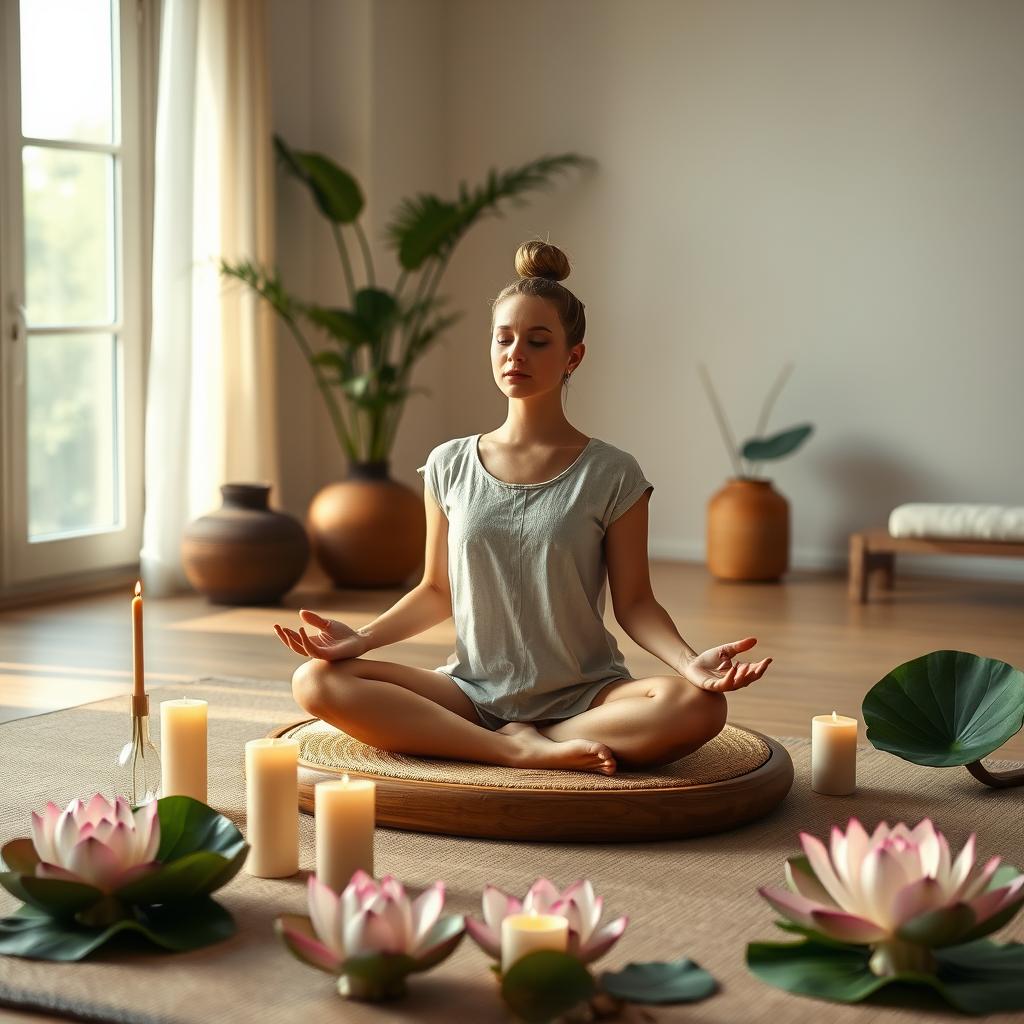
Experts say meditation is key for lowering anxiety and boosting mental strength. Adding mindfulness to your day can help you deal with stress better.
Guided Meditation Practices
Guided meditation is a great way to start with stress relief. It helps you clear your mind and feel emotionally stable.
- Body scan meditation
- Visualization techniques
- Loving-kindness meditation
Breathing Exercises for Anxiety
Special breathing methods can stop anxiety and calm your body.
| Breathing Technique | Duration | Benefits |
|---|---|---|
| 4-7-8 Breathing | 5 minutes | Reduces immediate stress |
| Box Breathing | 10 minutes | Enhances focus and calm |
| Diaphragmatic Breathing | 15 minutes | Promotes deep relaxation |
Mindful Walking and Movement
Movement is a strong mindfulness practice. Walking meditation turns walking into a deep stress relief method. It connects your body and mind through awareness.
“Mindfulness isn’t difficult. We just need to remember to do it.” – Sharon Salzberg
Using these mindfulness methods regularly can greatly boost your mental strength. It helps you live a more balanced and centered life.
Nurturing Your Body Through Nutrition and Hydration

Nutrition is key to staying healthy. Your body needs the right foods to work well. Learning how food affects your health is important.
“Let food be thy medicine and medicine be thy food.” – Hippocrates
Good nutrition starts with eating mindfully. Here are ways to care for your body:
- Eat whole, unprocessed foods
- Balance your meals with macronutrients
- Control your portions
- Drink plenty of water
Drinking enough water is also vital. Water helps your body in many ways, like keeping it cool and moving nutrients around.
| Hydration Goal | Daily Water Intake | Benefits |
|---|---|---|
| Minimum Recommended | 8 glasses (64 oz) | Basic metabolic function |
| Active Individuals | 10-12 glasses (80-96 oz) | Enhanced performance |
| Optimal Hydration | Half body weight in ounces | Peak physical wellness |
Pro tip: Carry a water bottle and drink water every hour to stay hydrated all day.
By following these tips, you’ll build healthy habits. These habits will help your body and mind stay strong.
Creating Boundaries for Work-Life Balance
In today’s world, it’s hard to find a balance between work and life. People often can’t stop thinking about work, leading to stress and burnout. It’s important to know how to set boundaries for our mental health and well-being.
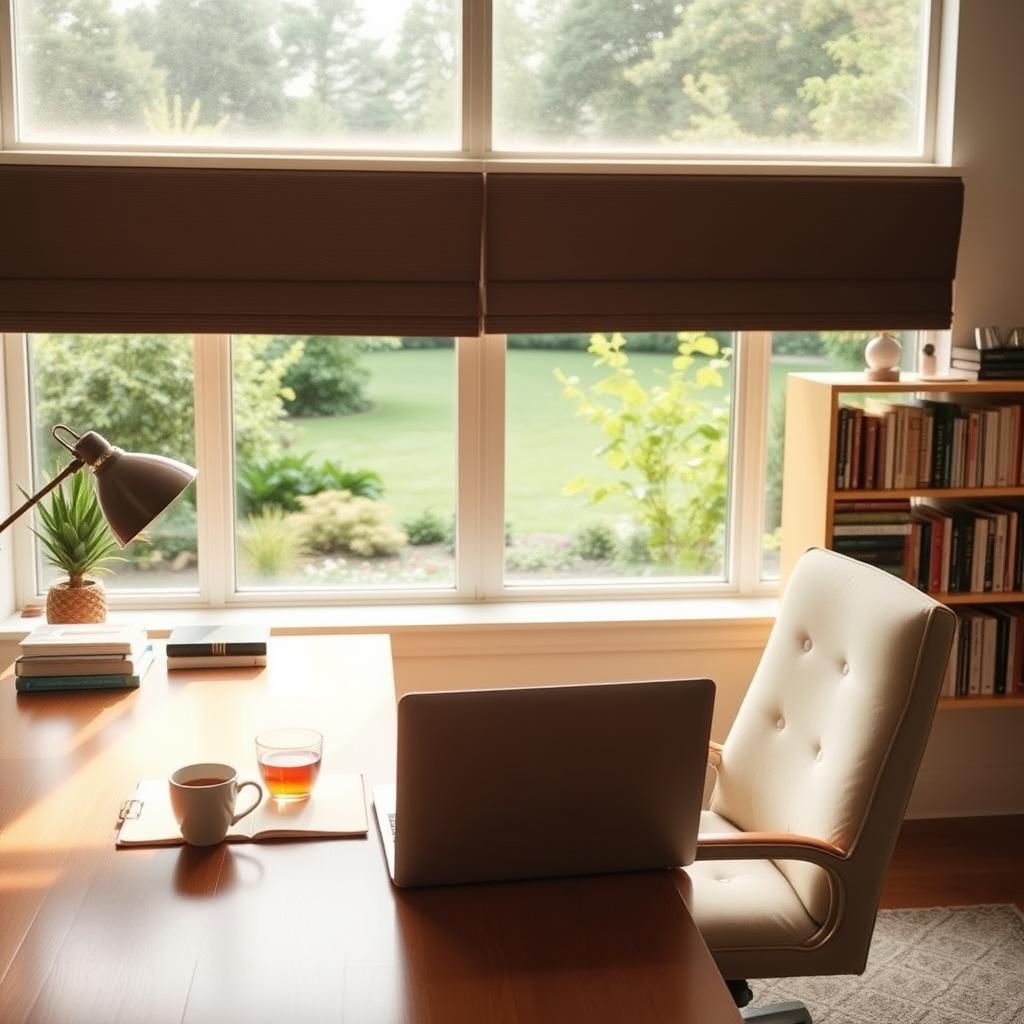
To set healthy boundaries, we need to love ourselves and plan carefully. We must make it clear when we’re working and when we’re not.
Digital Detox Strategies
Too much digital time can mess up our balance. Here are some tips to help:
- Set specific “no-screen” hours during evenings
- Create tech-free zones in your home
- Use app-blocking tools to limit social media access
- Turn off work email notifications after hours
Time Management Tips
| Strategy | Impact |
|---|---|
| Prioritize Tasks | Reduces overwhelm and increases productivity |
| Time-Block Schedule | Creates structured approach to work and personal time |
| Learn to Say No | Prevents burnout and protects personal boundaries |
Setting Healthy Limits
“Boundaries are a form of self-care. They communicate to others how you expect to be treated.” – Unknown
Good communication is key to work-life balance. Be clear about when you’re available, set realistic expectations, and stick to your boundaries.
Creating a balance is a journey. Small steps can make a big difference in how you feel.
Sleep Hygiene and Relaxation Techniques
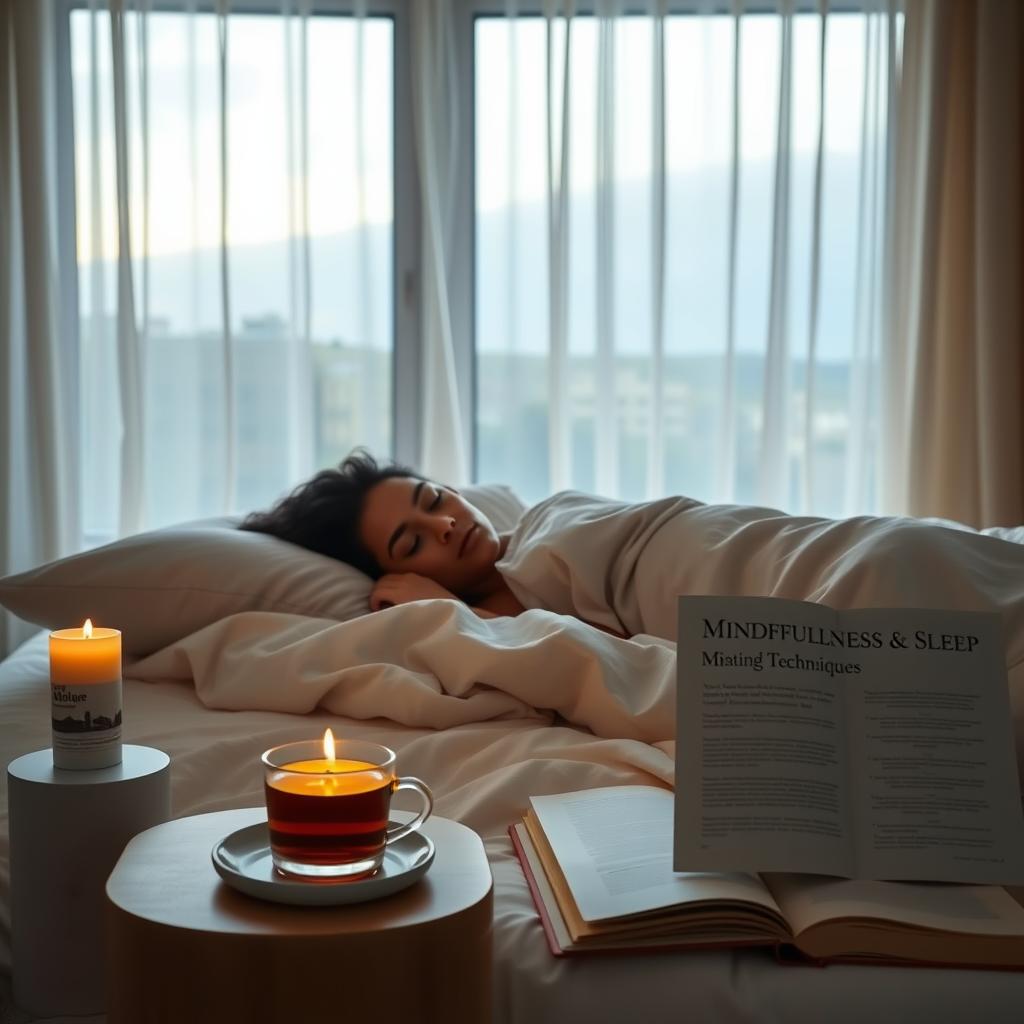
Quality sleep is key to good mental health. Many people have trouble sleeping, which affects their stress and mood. This can make it hard to feel calm and in control.
Using stress relief techniques can help you sleep better. Your body needs good sleep to stay healthy and balanced.
- Create a consistent sleep schedule
- Design a calming bedroom environment
- Limit screen time before bed
- Practice relaxation methods
“Sleep is the golden chain that binds health and our bodies together.” – Thomas Dekker
Relaxation techniques can really help your sleep. Progressive muscle relaxation and guided visualization are great for getting ready for sleep. They calm your mind and body.
| Relaxation Technique | Benefits | Duration |
|---|---|---|
| Deep Breathing | Reduces anxiety | 5-10 minutes |
| Meditation | Calms nervous system | 15-20 minutes |
| Body Scan | Releases physical tension | 10-15 minutes |
By focusing on sleep and using these techniques, you can improve your mental health. This can also make your life better overall.
Social Connections and Emotional Wellness Activities
Human connections are key to our emotional intelligence and mental health. Building strong relationships and practicing self-love can greatly enhance our lives. It helps us grow personally.

Building Supportive Relationships
Creating strong social bonds takes effort and emotional smarts. Here are some tips:
- Practice active listening during conversations
- Show genuine empathy and understanding
- Cultivate vulnerability and authenticity
- Regularly check in with friends and family
“Connection is why we’re here. It gives purpose and meaning to our lives.” – Brené Brown
Community Engagement Ideas
Getting involved in community activities is great for mental health. Here are some ideas:
- Volunteer at local nonprofit organizations
- Join hobby-based interest groups
- Attend local workshops and events
- Participate in neighborhood clean-up initiatives
Expression Through Art and Creativity
Creative expression is a powerful tool for emotional wellness. Art becomes a language of healing. It helps us express feelings and connect with others.
- Painting and drawing
- Writing poetry or journaling
- Music and dance
- Photography and visual storytelling
Conclusion
Self-care is a personal journey to holistic wellbeing. It looks different for everyone. The best self-care ideas are not the same for everyone. They are strategies you can try and adjust to fit your life and needs.
Each method and practice in this guide can help you become a healthier version of yourself. From morning routines to mindfulness, nutrition to social connections, your self-care toolkit should grow and change. The most important thing is to keep working on your mental and physical health.
Remember, self-care is about making progress, not being perfect. Start with small steps, be kind to yourself, and know that building a self-care routine takes time. Your self-care efforts are an investment in your life, helping you be more real and full of energy in all you do.
By focusing on these practices, you’re not just taking care of yourself. You’re also preparing yourself to handle stress better and build a strong foundation for wellness. Every step you take on this journey is important. It leads to a more balanced and vibrant life.
FAQ
What exactly is self-care and why is it so important?
Self-care is about taking care of your mind, body, and spirit. It’s about doing things that make you feel good. It helps you deal with stress, avoid burnout, and feel better about yourself.Think of it like putting on your own oxygen mask first. You can’t help others if you’re not taking care of yourself.
How much time should I dedicate to self-care daily?
You don’t need a lot of time for self-care. Even 15-30 minutes a day can help a lot. The key is to be consistent and find activities that really recharge you.Start small. Even five-minute meditation or a short walk can be great for self-care.
Can self-care be affordable?
Yes, self-care doesn’t have to cost a lot. You can do things like meditate, journal, or go for a walk. Reading or doing home workouts are also good options.The most important thing is the intention behind what you do, not how much it costs.
How do I know if my self-care routine is working?
Look for signs like better mood, more energy, and less stress. You might sleep better, be more patient, and feel more positive.Self-care is a personal journey. Pay attention to how different activities make you feel.
What are some quick self-care techniques for busy people?
Busy people can try quick self-care like deep breathing, morning meditation, or staying hydrated. Short walks, gratitude, calming music, or stretching exercises are also good.The goal is to fit small, meaningful practices into your busy schedule.
Is self-care different for men and women?
While self-care is universal, everyone has their own needs. It’s about finding what works for you, not what others do.What matters most is finding practices that resonate with you, regardless of gender.
Can self-care help with anxiety and depression?
Self-care can help, but it’s not a replacement for professional help. Activities like mindfulness, exercise, and good nutrition can support mental health. Always talk to a healthcare professional for advice.
How do I create a sustainable self-care routine?
Find activities that make you feel good and start small. Be consistent and flexible. View self-care as a way to care for yourself, not just another task.Regularly check and adjust your routine as your needs change.
What if I feel guilty about taking time for self-care?
Many people feel guilty about self-care. But it’s not selfish. It’s necessary for supporting others, working well, and keeping healthy relationships.Remember, you can’t pour from an empty cup.
Are digital tools helpful for self-care?
Digital tools can be great for self-care when used wisely. Apps for meditation, fitness, mental health, and podcasts can be helpful. But be careful not to let screen time replace real connections and experiences.


