
The Best Fluffy Pancakes recipe you will fall in love with. Full of tips and tricks to help you make the best pancakes.
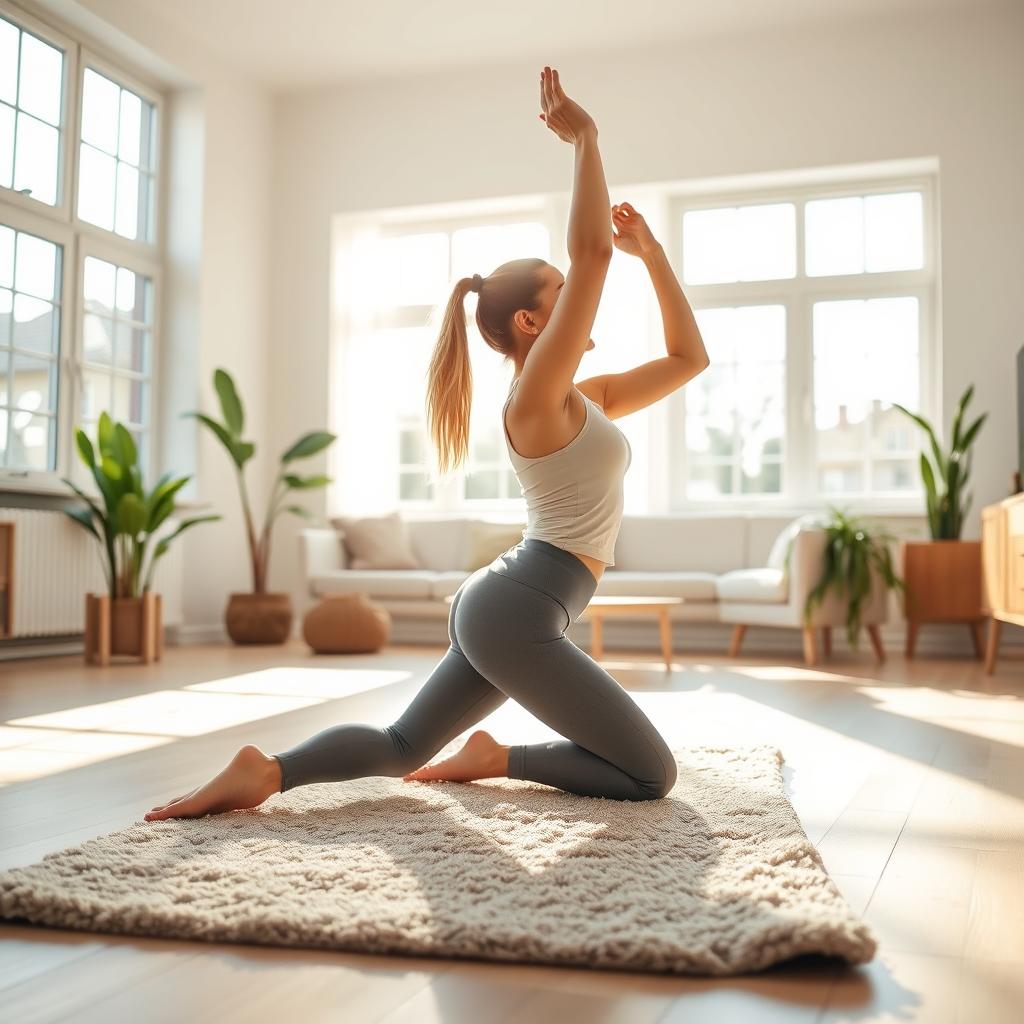
Starting a fitness journey doesn’t need expensive gym memberships or fancy equipment. At-home exercises are a great way for beginners to improve their health and fitness from home. The best home workouts for beginners are simple, effective, and don’t need any equipment.
Fitness fans find it easier to stay motivated with workouts that are convenient and fit their needs. Beginner-friendly fitness routines can help you get stronger, improve your heart health, and boost your confidence without going to the gym.
Starting an at-home exercise journey lets you create a fitness plan that suits your schedule, budget, and fitness level. With the right mindset, anyone can change their body and health using just their body weight and determination.
Key Takeaways
- No equipment is needed to start an effective home workout routine
- Beginner-friendly fitness can be done in small spaces
- Consistency matters more than intensity for new fitness enthusiasts
- Home workouts offer flexibility and convenience
- Building confidence is a key part of fitness success
Getting Started with At-Home Workouts: Essential Tips for Success
Starting a home workout plan can seem scary for beginners. You don’t need a lot of equipment or a big room. With the right plan and motivation, you can make effective workouts at home.
Creating Your Dedicated Workout Space
Your workout area is key to sticking with your routine. Here are some tips for setting up a great space at home:
- Choose a clutter-free zone with minimal distractions
- Ensure adequate lighting and ventilation
- Keep a small area clear for bodyweight movements
- Store workout essentials within easy reach
Setting Realistic Fitness Goals
Success in home workouts starts with achievable goals. Break your fitness journey into smaller steps:
| Goal Type | Duration | Example Target |
|---|---|---|
| Short-term | 1-4 weeks | Complete 3 workouts per week |
| Medium-term | 2-3 months | Increase workout intensity |
| Long-term | 6-12 months | Transform overall fitness level |
Understanding Proper Form Basics
Learning the right technique is important to avoid injuries and get the most out of your workouts. Quality always trumps quantity in exercise. Watch videos, practice slowly, and keep your posture right during each move.
“The only bad workout is the one that didn’t happen.” – Unknown Fitness Trainer
Benefits of Equipment-Free Home Workouts

Discovering the power of equipment-free workouts can change your fitness journey. Bodyweight training is a great way to stay fit without expensive gym memberships or complicated machines. Living room workouts offer flexibility and convenience that traditional routines often miss.
“Fitness is not about being better than someone else; it’s about being better than you used to be.” – Unknown
Equipment-free workouts have many benefits for busy people and fitness beginners. Let’s look at the main advantages:
- Zero equipment costs
- Workout anywhere, anytime
- Improved body awareness
- Enhanced functional strength
- Minimal space requirements
The flexibility of bodyweight training lets you tailor workouts to your level. Whether you’re starting out or are experienced, these exercises can be adjusted to suit your needs.
| Benefit | Description |
|---|---|
| Cost-Effectiveness | No expensive equipment needed |
| Convenience | Exercise in your living room or any small space |
| Personal Progress | Track improvements easily |
Embracing equipment-free workouts can be a game-changer for your fitness routine. By focusing on bodyweight movements, you’ll build strength, flexibility, and confidence without spending a lot.
Best Home Workouts for Beginners (No Equipment Needed!)
Bodyweight training is a great way for beginners to start their fitness journey. You don’t need expensive equipment. Your home can become a personal fitness studio with effective workouts for every muscle group.
Finding the right at-home exercises makes reaching your fitness goals easier and more fun. Let’s look at some powerful bodyweight training techniques. They help build strength, improve flexibility, and boost fitness overall.
Full-Body Bodyweight Exercises
Full-body workouts are great for beginners wanting to improve their home fitness routine. These exercises work many muscles at once. They offer an efficient and effective workout.
- Burpees: A dynamic exercise targeting entire body strength
- Mountain climbers: Excellent for cardiovascular endurance
- Jumping jacks: Simple yet powerful full-body movement
Core-Strengthening Movements
A strong core is key for overall fitness and preventing injuries. Bodyweight exercises can build core strength without any special equipment.
| Exercise | Primary Muscles Targeted | Difficulty Level |
|---|---|---|
| Planks | Abdominals, Lower Back | Beginner |
| Russian Twists | Obliques, Core | Intermediate |
| Bicycle Crunches | Entire Core Region | Beginner |
Lower Body Exercises
Building lower body strength is important for overall fitness and functional movement. These bodyweight exercises need no equipment and can be done anywhere.
- Bodyweight squats
- Lunges
- Step-ups
- Wall sits
“The best workout is the one you’ll actually do consistently.” – Unknown Fitness Trainer
Remember, progress comes from consistency and proper form. Start slowly, focus on technique, and gradually increase repetitions as you build strength.
Designing Your Weekly Workout Schedule

Creating a good home workout plan is simple. It should be structured, realistic, and fun. Your workouts in the living room should mix different types to keep you interested and challenged.
“Consistency beats perfection in any fitness journey.”
When planning your weekly schedule, keep these tips in mind for holistic health and wellness:
- Aim for 3-4 workout sessions per week
- Mix strength training and cardio exercises
- Include rest days for muscle recovery
- Start with 20-30 minute sessions
Sample Weekly Home Workout Plan:
| Day | Focus | Duration |
|---|---|---|
| Monday | Full Body Strength | 30 minutes |
| Tuesday | Rest/Light Stretching | 15-20 minutes |
| Wednesday | Cardio/HIIT | 25 minutes |
| Thursday | Rest | Active Recovery |
| Friday | Lower Body Focus | 30 minutes |
| Weekend | Flexibility/Yoga | 20-30 minutes |
Always listen to your body and tweak your plan as you get better. The goal is to make a routine that works for you and keeps you excited to work out.
Mastering Basic Bodyweight Exercises for Beginners
Bodyweight training is a great way to get strong and fit without needing expensive gear. It’s a simple way to boost your health using just your body’s weight.
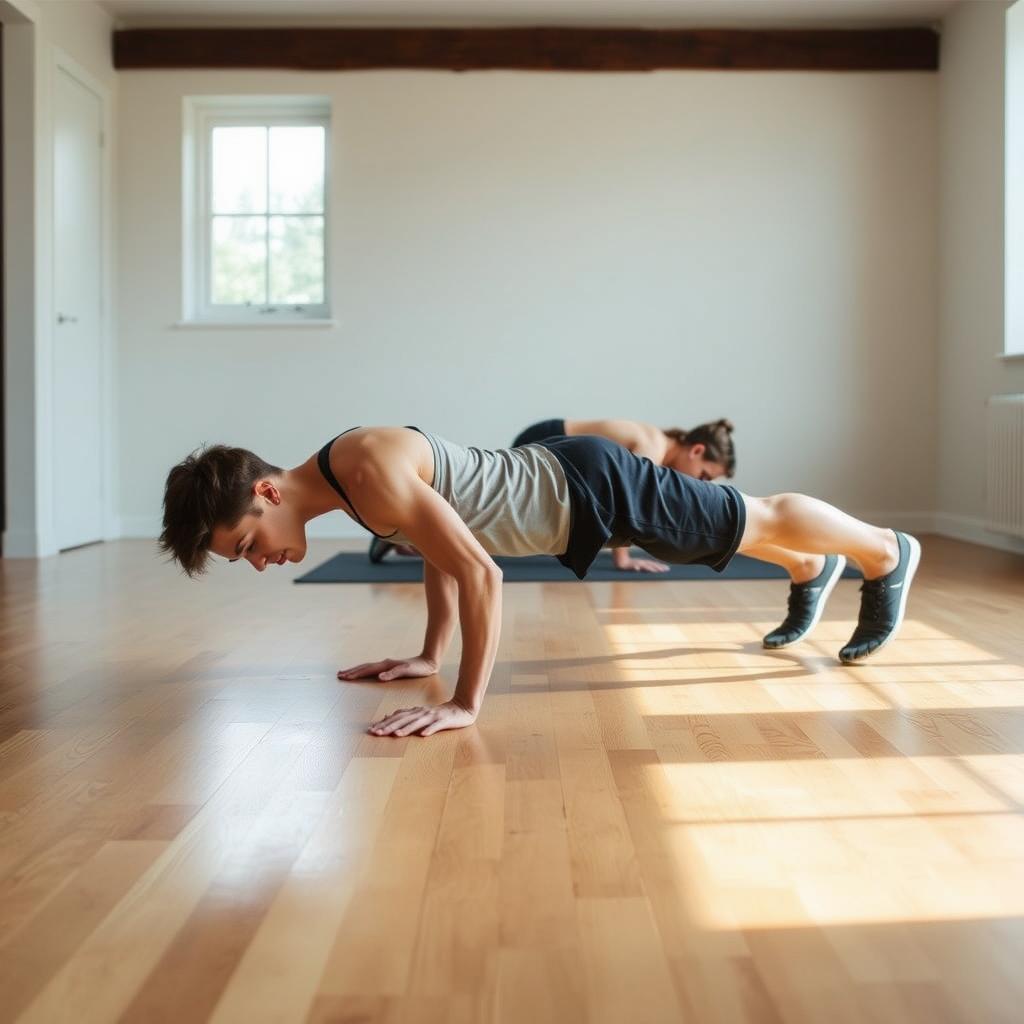
Building a strong base in fitness means learning key movements and how to do them right. Let’s look at three basic exercises to start your fitness journey.
Push-Up Variations for All Fitness Levels
Push-ups are key in bodyweight training, working many muscles at once. Beginners should start with these:
- Wall Push-Ups: Great for newbies
- Incline Push-Ups: Use a chair or bench
- Standard Push-Ups: Works your whole body
Squat Techniques to Build Lower Body Strength
Squats are vital for strong legs and better movement. Here’s how to get started:
| Squat Type | Difficulty Level | Key Focus |
|---|---|---|
| Assisted Squats | Beginner | Balance and Form |
| Bodyweight Squats | Intermediate | Leg Strength |
| Jump Squats | Advanced | Explosive Power |
Plank Positions for Core Stability
Having a strong core is important in bodyweight exercises. Try these plank variations to strengthen your core:
- Forearm Planks: Basic core exercise
- High Planks: Challenges your arms
- Side Planks: Works your obliques and sides
“Consistency is key in bodyweight training. Start slow, focus on form, and progress gradually.” – Fitness Expert
Remember, every fitness journey starts with one step. These exercises are a great place for beginners to start improving their strength and fitness.
Building Endurance Through Living Room Workouts
Turn your living room into a fitness area without spending a lot. You can build endurance and strength just by using your body weight. No fancy equipment or big space is needed.
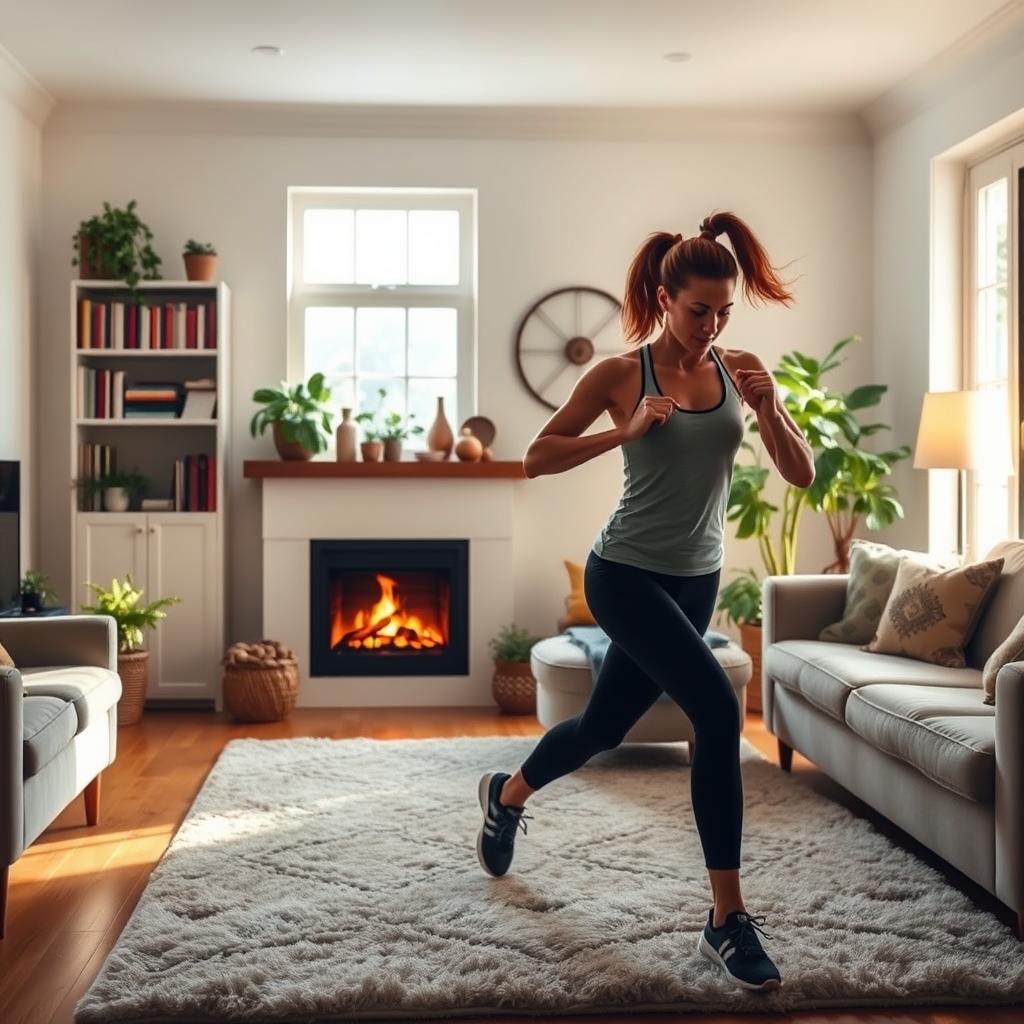
Exercising at home is easy and effective. Start with simple workouts that are great for beginners. These exercises are powerful and don’t need any special gear. The trick is to make your workouts more challenging over time.
- Jumping jacks: Perfect for quick cardio bursts
- High knees: Builds leg strength and heart rate
- Mountain climbers: Full-body cardiovascular exercise
- Burpees: Ultimate full-body endurance movement
Circuit training is perfect for those who love working out at home. It mixes different exercises to keep your heart rate up and your muscles working.
| Exercise | Duration | Calories Burned |
|---|---|---|
| Jumping Jacks | 30 seconds | 10-15 calories |
| High Knees | 45 seconds | 15-20 calories |
| Burpees | 1 minute | 20-25 calories |
“Consistency beats intensity when building endurance. Start slow and progress steadily.” – Fitness Experts
Remember, the goal of living room workouts is not perfection but progression. Listen to your body, maintain proper form, and gradually increase your workout duration and complexity.
Proper Warm-Up and Cool-Down Routines
Getting ready for a home workout is key to avoiding injuries and getting the most out of it. A good beginner fitness plan starts with knowing how to warm up and cool down right. These steps protect your muscles and boost your fitness.
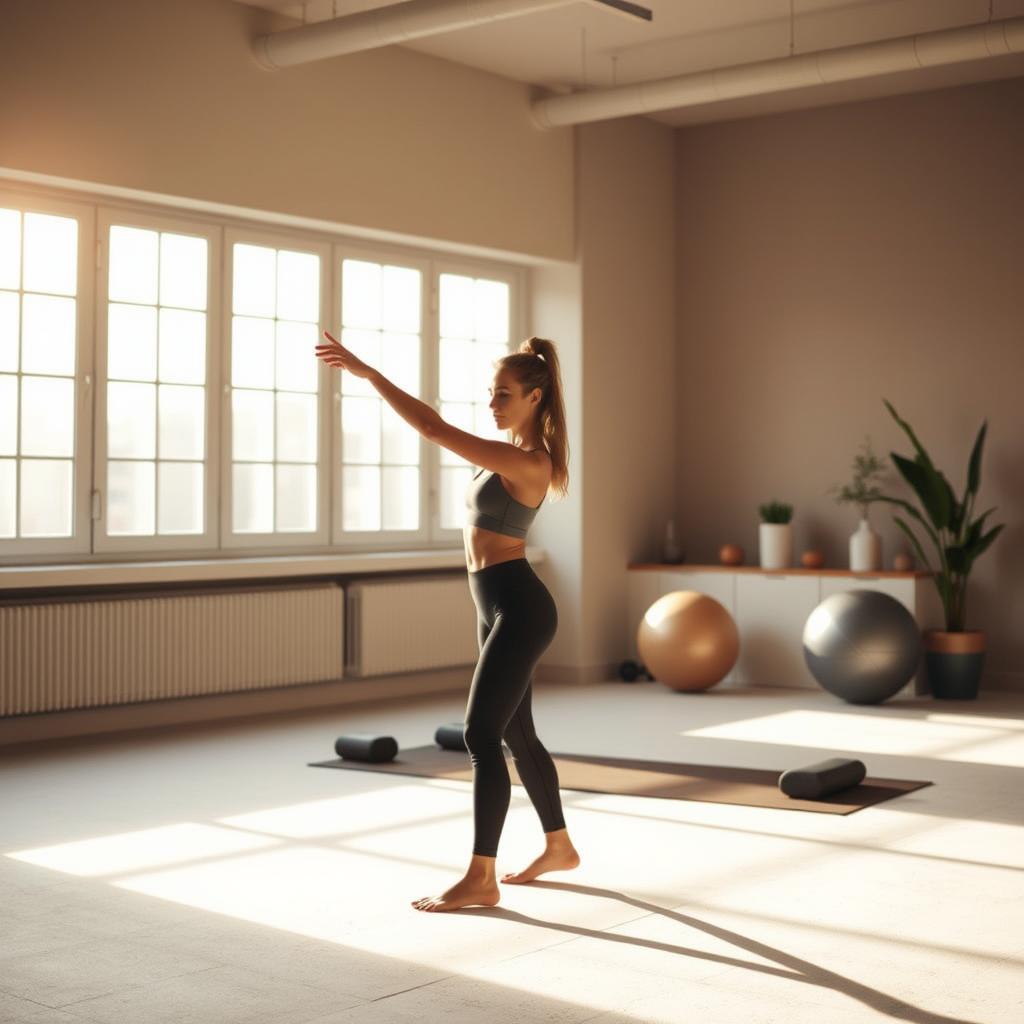
Dynamic Stretching Exercises
Dynamic stretching is a big help for those starting out in fitness. It’s different from static stretching because it gets your body ready for exercise. It boosts blood flow and flexibility. Here are some dynamic warm-up exercises to try:
- Arm circles
- Leg swings
- Walking lunges
- Jumping jacks
A 5-10 minute warm-up can make your workout better and lower injury risk.
Post-Workout Recovery Tips
Recovery is as important as the workout itself. Listen to your body and follow these recovery tips:
- Static stretching for muscle relaxation
- Proper hydration
- Protein-rich nutrition
- Adequate rest between workouts
“Recovery is where the real muscle-building magic happens.” – Fitness Experts
Breathing Techniques
Learning breathing techniques can change your home workout. Proper breathing keeps your form, cuts down on tiredness, and boosts your workout performance. Aim for steady, controlled breaths that match your movements.
Sticking to these warm-up and cool-down routines will help you create a lasting and effective beginner fitness plan.
Common Mistakes to Avoid in Home Workouts
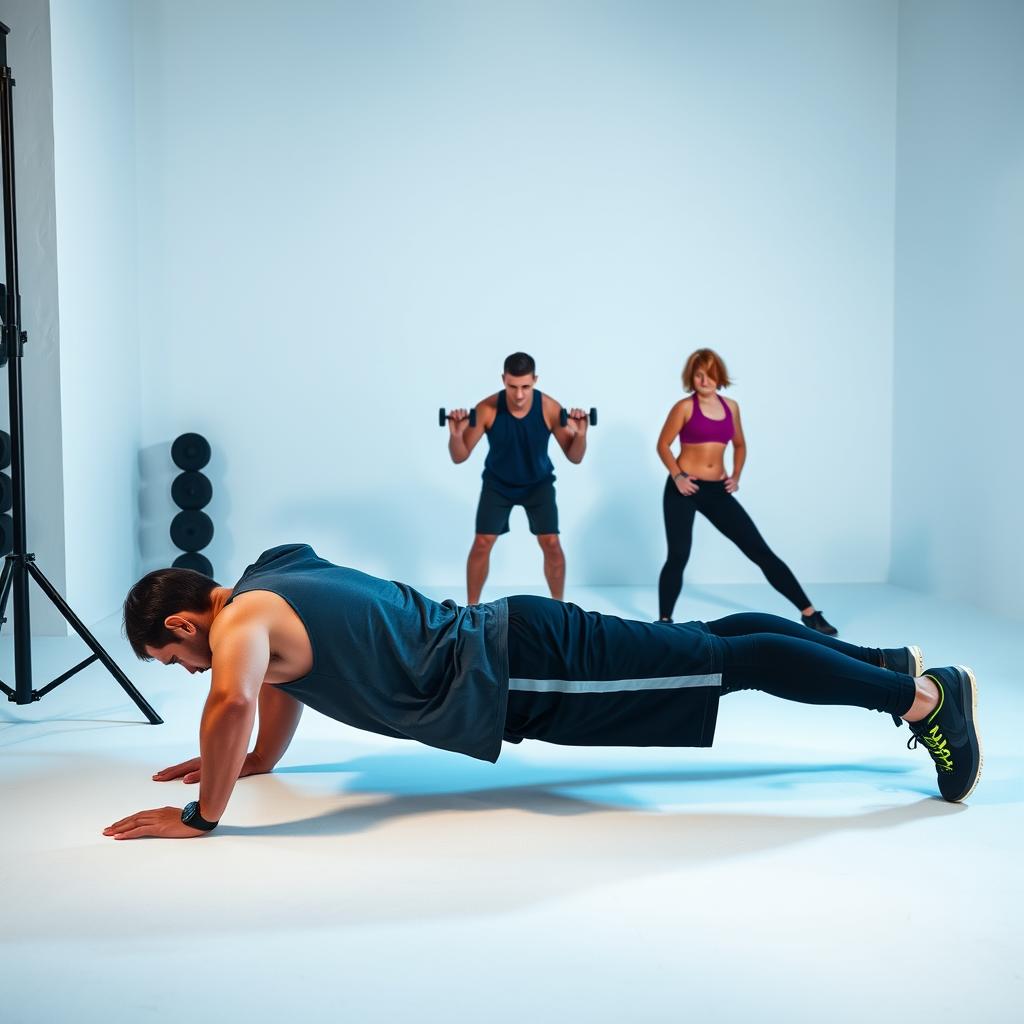
Starting home workouts without equipment can be tricky. Many beginners make mistakes that slow their progress. Knowing these common errors helps in creating effective routines.
“Your fitness journey is about progress, not perfection.”
Here are key mistakes to avoid during your home workout journey:
- Skipping Warm-Ups: Not warming up before intense exercises can cause injuries. Always warm up for 5-10 minutes
- Ignoring Proper Form: Wrong technique makes exercises less effective and risky. Watch videos or use fitness resources to learn correct movements
- Overtraining: Doing too much without rest can lead to burnout and muscle fatigue
- Comparing Yourself to Others: Everyone’s fitness journey is different. Focus on your own progress
Listening to your body is key in any workout. Rest days are important for muscle recovery and growth.
Remember, lasting fitness is about being consistent, not perfect. Start slow, focus on proper form, and gradually increase intensity for long-term success.
Conclusion
Starting your fitness journey at home is easy and affordable. You don’t need expensive gym memberships or fancy equipment. The home workout plan in this guide shows you can exercise right in your living room.
Every small step you take makes you stronger and more fit. It improves your health in big ways. Your dedication to at-home exercises is a big investment in yourself.
By learning bodyweight movements and sticking to a routine, fitness becomes more accessible. The key is to be patient and keep moving forward. Stress management techniques can help you stay mentally well too.
Your fitness journey is your own. Some days will be tough, but others will be exciting. See each workout as a chance to learn about your body.
Stay curious and keep your approach flexible. Trust in the slow but sure improvements you’ll see. Your home is now your own personal gym.
With what you’ve learned, you’re ready to keep growing and pushing yourself. Enjoy the benefits of regular workouts. Keep moving forward, one rep at a time.
FAQ
Do I need any equipment to start home workouts?
No, you don’t need any equipment! Bodyweight exercises are great for beginners. You can do push-ups, squats, lunges, and planks with just your body. These exercises work many muscles at once.
How often should I work out as a beginner?
Start with 3-4 workouts a week. This lets your body rest and avoid burnout. As you get stronger, you can do more workouts.
What if I can’t do a full push-up or complete exercise?
Don’t worry! There are easier versions of most exercises. For push-ups, try wall push-ups or knee push-ups. If squats are hard, use a chair or do partial squats. Start slow and progress as you can.
How long should a beginner workout last?
Start with 15-30 minute workouts. This is enough to get a good workout without feeling overwhelmed. As you get fitter, you can do longer and harder workouts.
How important is proper form in home workouts?
Very important! Good form prevents injuries and makes sure you’re working the right muscles. Watch videos, use mirrors, or record yourself to check your form. Quality is more important than quantity.
Can I lose weight with home workouts?
Yes, you can! Home workouts with a healthy diet can help you lose weight. Bodyweight exercises burn calories, build muscle, and increase your metabolism. Remember, what you eat is also key.
What should I do if I feel pain during a workout?
Listen to your body. If it’s just soreness, it’s okay. But if it’s sharp or shooting pain, stop right away. Persistent pain might mean you’re doing something wrong.
How can I stay motivated while working out at home?
Set achievable goals, track your progress, and have a dedicated workout area. Mix up your routine to stay interested. Online communities or fitness apps can also help keep you motivated.
Do I need to warm up before home workouts?
Yes, definitely! A 5-10 minute warm-up gets your body ready, increases blood flow, and lowers injury risk. Try arm circles, leg swings, and light jogging to warm up.
How quickly will I see results from home workouts?
Results take time, but most people see changes in 4-6 weeks. You might notice improvements in energy and strength before you see physical changes. Keep going and stay patient!


