
The Best Fluffy Pancakes recipe you will fall in love with. Full of tips and tricks to help you make the best pancakes.
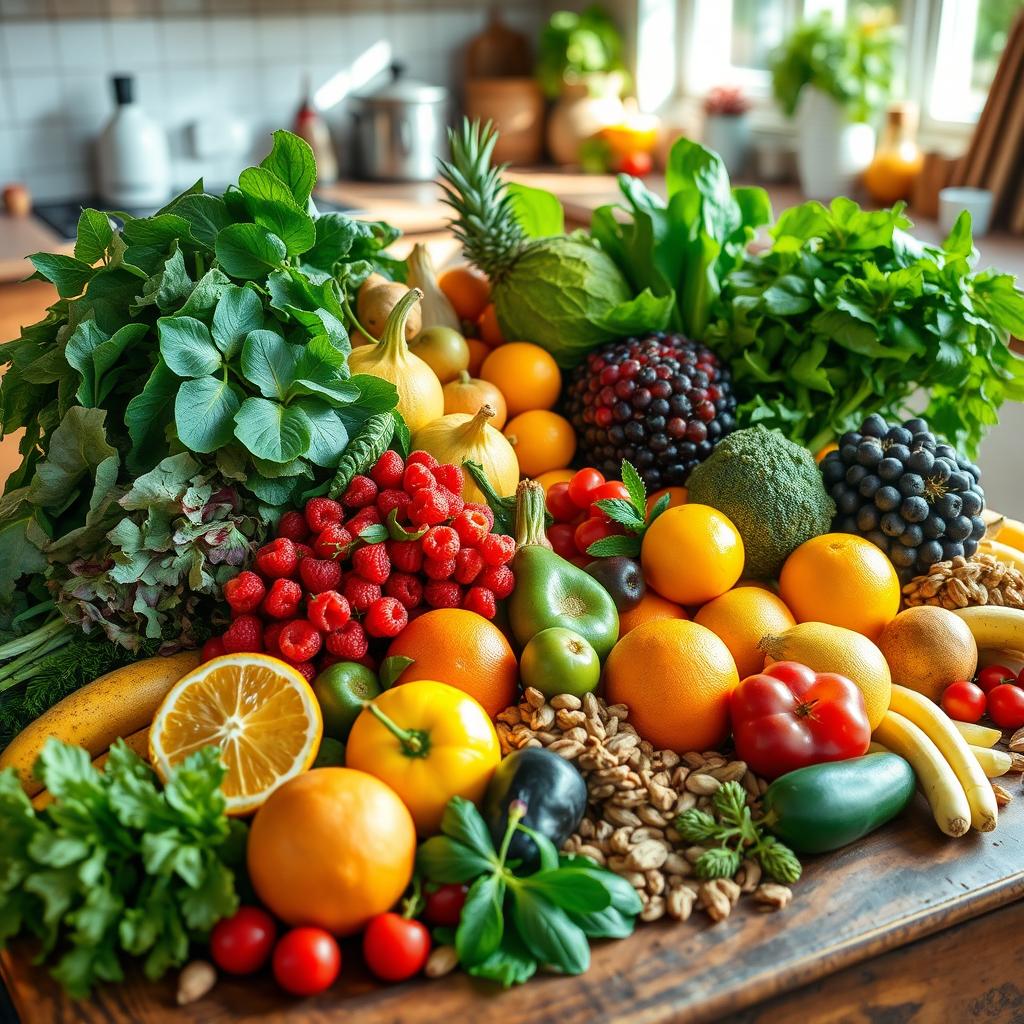
Best Foods to Stay Healthy
Your diet is key to staying healthy. Choosing the right foods can boost your energy and health. It’s not just about cutting calories. It’s about picking foods that nourish your body and keep you safe from health problems.
Healthy eating is more than a trend. It’s a way of life. Experts say what you eat affects your body’s health, immune system, and future well-being. Knowing which foods are best can help you make a healthy eating plan that meets your goals.
Key Takeaways
- Diet directly influences overall health and energy levels
- Nutritional choices impact bodily functions and disease prevention
- Balanced eating supports long-term wellness
- Food selection is a critical component of preventive healthcare
- Consistent healthy eating can improve quality of life
Understanding the Connection Between Food and Health
The link between food and health is strong. Every meal affects how your body works, fights off diseases, and stays healthy. Knowing this can change how you view eating, from just getting by to a key part of staying well.
How Nutrition Impacts Body Systems
Nutrition deeply affects our body systems. Different nutrients work in complex ways with our body:
- Proteins rebuild muscle tissues
- Vitamins support immune function
- Minerals regulate cellular activities
- Antioxidants protect against cellular damage
Nutrients and Disease Prevention
Eating right can prevent diseases. Certain nutrients can lower the risk of serious health issues:
| Nutrient | Potential Disease Prevention |
|---|---|
| Omega-3 Fatty Acids | Heart Disease |
| Fiber | Diabetes |
| Vitamin D | Bone Disorders |
Long-Term Health Through Balanced Nutrition
Eating well is your body’s strongest shield. Consistent, mindful eating can:
- Stabilize metabolism
- Enhance energy levels
- Support mental clarity
- Boost immune resilience
“Let food be thy medicine and medicine be thy food” – Hippocrates
Best Foods to Eat to Stay Healthy
Finding the healthiest foods is key to staying well. Foods rich in nutrients help your body fight off sickness and give you energy. These superfoods can change your diet and improve your health.
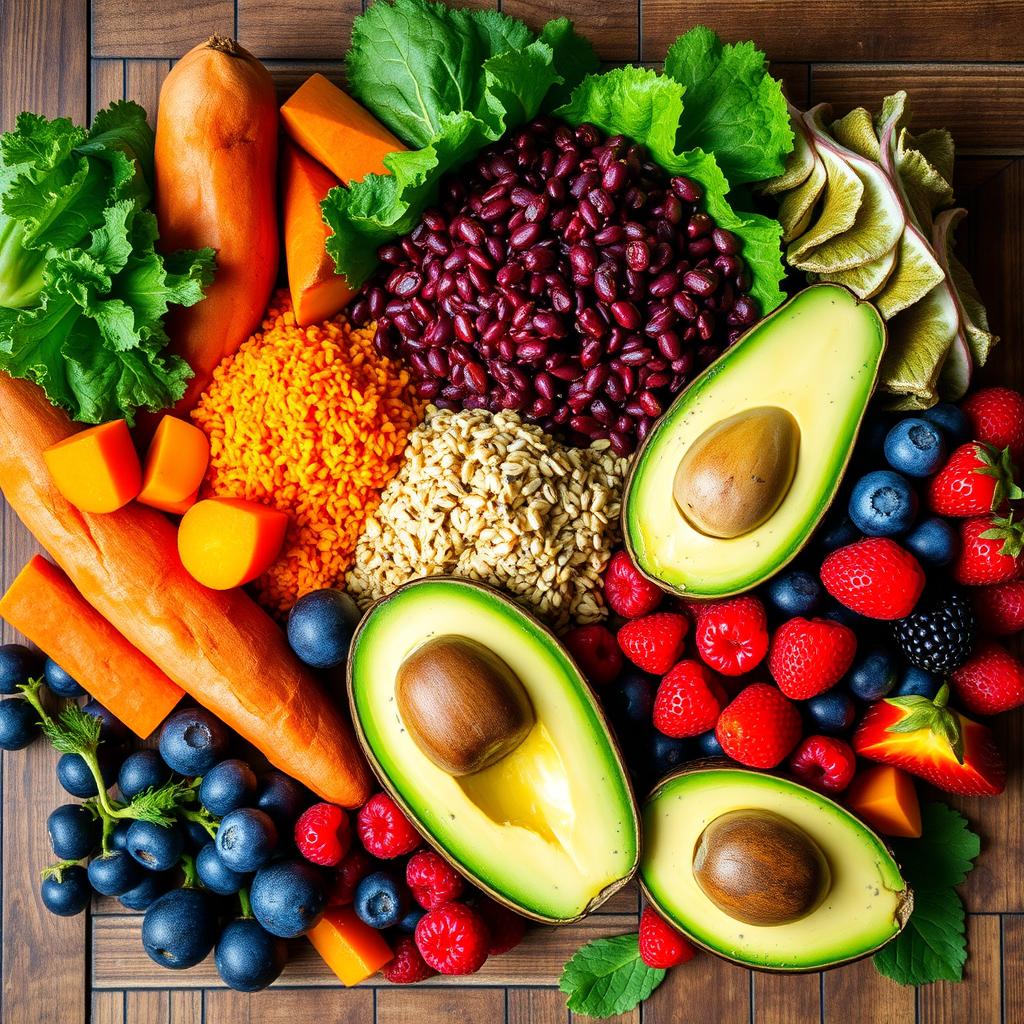
Knowing which foods are the most nutritious helps you eat better. Not all calories are good for you. Some foods offer special health benefits.
“Let food be thy medicine and medicine be thy food” – Hippocrates
Top Nutrient-Dense Foods
- Leafy Green Vegetables: Spinach, kale, Swiss chard
- Berries: Blueberries, strawberries, raspberries
- Fatty Fish: Salmon, mackerel, sardines
- Nuts and Seeds: Almonds, chia seeds, flaxseeds
- Legumes: Lentils, chickpeas, black beans
These foods have special health perks. They can lower inflammation, help your heart, and boost your immune system.
| Food Category | Key Nutrients | Health Benefits |
|---|---|---|
| Leafy Greens | Vitamin K, Iron, Calcium | Bone health, Blood clotting |
| Berries | Antioxidants, Vitamin C | Immune Support, Cell Protection |
| Fatty Fish | Omega-3, Protein | Heart Health, Brain Function |
Pro tip: Try to eat a variety of these nutrient-rich foods every day. Eating a wide range of foods ensures you get all the nutrients you need.
Power-Packed Fruits and Their Health Benefits
Fruits are nature’s nutritional powerhouses. They offer a delicious way to boost your health. The healthiest fruits are packed with vitamins, minerals, and essential nutrients.
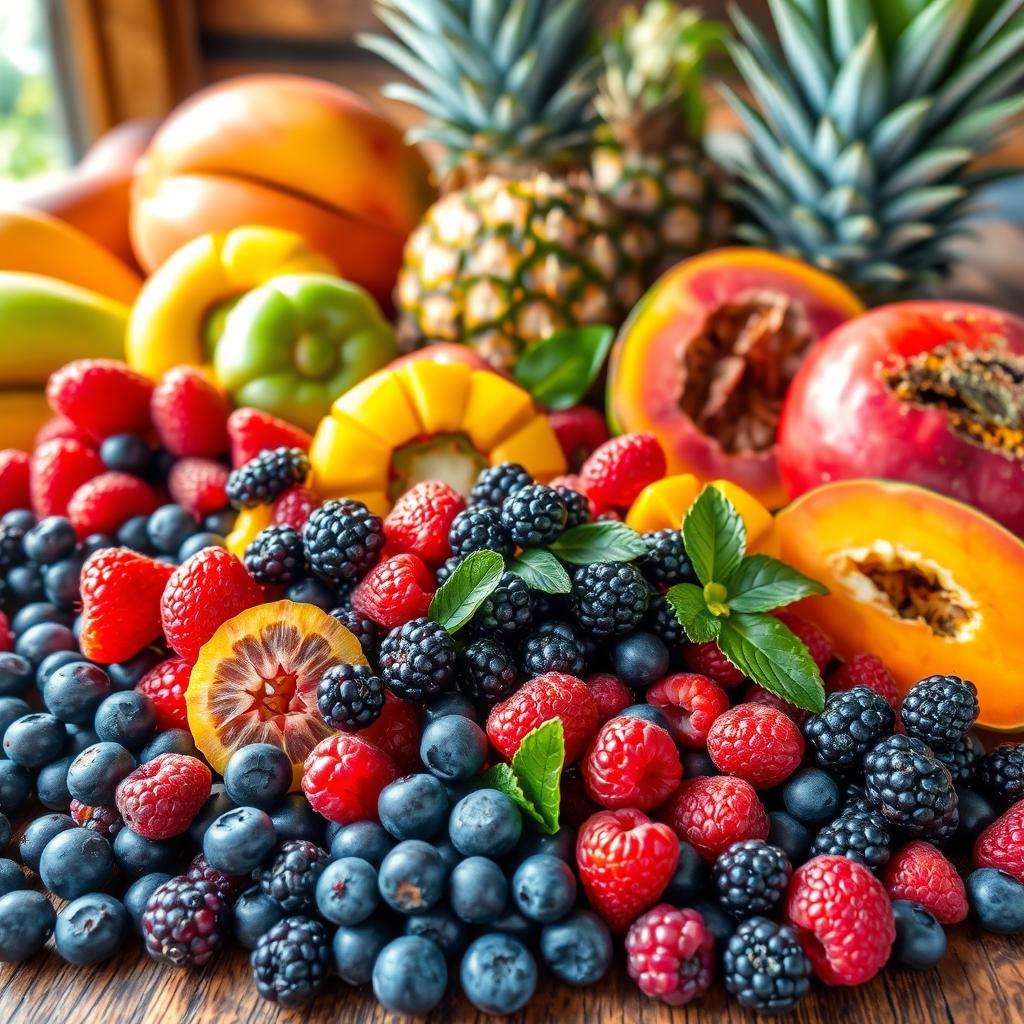
Discovering the right fruits can change your wellness journey. From tiny berries to exotic tropical delights, these natural treasures are full of health benefits.
Berries and Antioxidant-Rich Options
Antioxidant-rich berries are nutritional champions. Blueberries, strawberries, and raspberries are full of compounds that fight oxidative stress and support cellular health.
- Blueberries: Protect brain function
- Strawberries: Boost heart health
- Raspberries: Support weight management
“Eating a handful of berries daily can be your secret weapon for long-term health.” – Nutrition Experts
Tropical Fruits for Immune Support
Immune-boosting fruits like papaya, kiwi, and guava are tropical treasures. They supercharge your body’s defense mechanisms. These fruits are rich in vitamin C and other essential nutrients.
- Papaya: Digestive health support
- Kiwi: High vitamin C content
- Guava: Strengthens immune system
Daily Fruit Intake Recommendations
Experts say to eat 2-4 servings of fruits daily. Mixing different types ensures you get a wide range of nutrients and keeps your meals exciting.
| Fruit Type | Daily Serving | Key Benefit |
|---|---|---|
| Berries | 1 cup | Antioxidant protection |
| Tropical Fruits | 1-2 servings | Immune support |
Pro tip: Rotate your fruit choices to maximize nutritional diversity and keep your diet interesting!
Essential Vegetables for Optimal Health
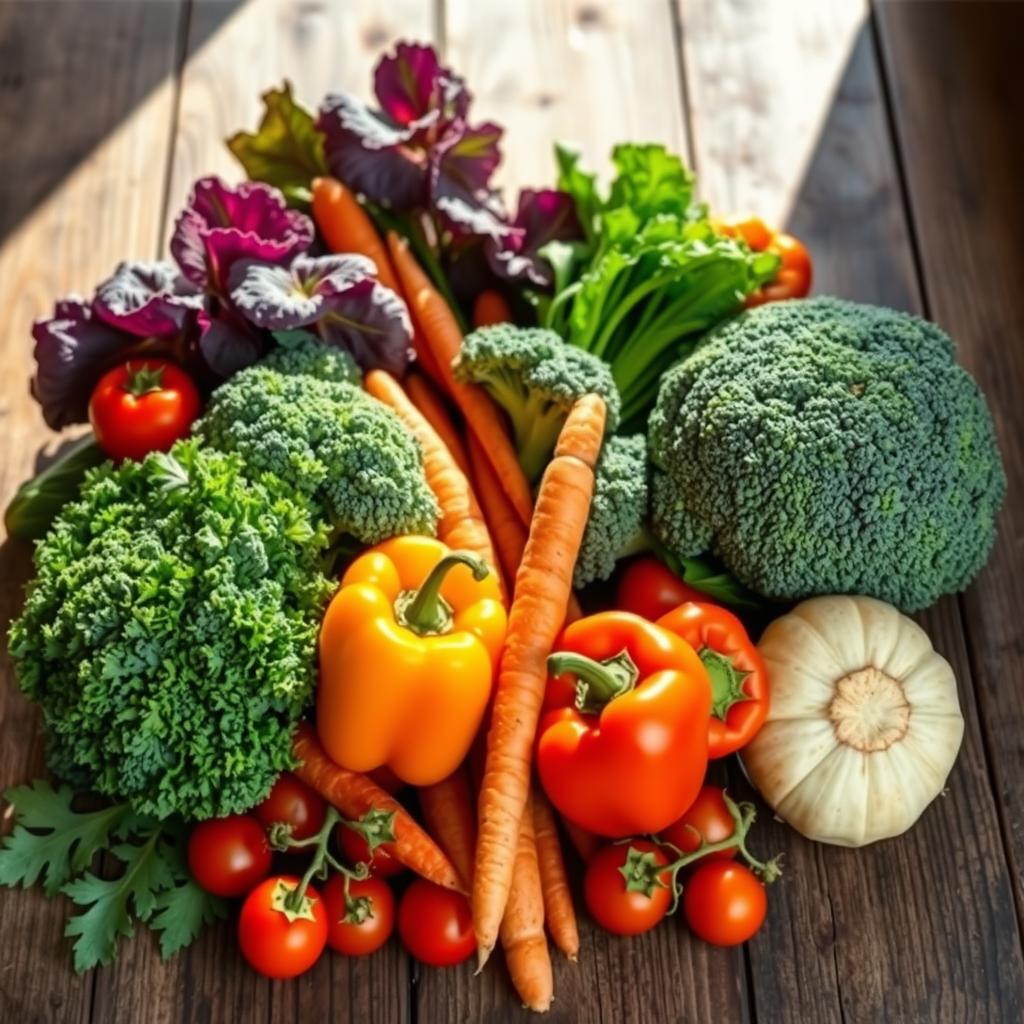
Eating nutrient-rich vegetables is a great way to improve your health. These colorful foods are full of vitamins, minerals, and compounds that help your body work well.
Leafy greens like spinach, kale, and Swiss chard are superfoods. They help:
- Strengthen immune system
- Reduce inflammation
- Support heart health
- Improve digestive function
“Let food be thy medicine and medicine be thy food” – Hippocrates
It’s important to try different vegetables for health. Orange vegetables like carrots and sweet potatoes have beta-carotene. Red vegetables like bell peppers have lycopene. Broccoli and cauliflower have compounds that fight cancer.
To get the most nutrients, mix raw and lightly cooked veggies. Steaming or quick sautéing keeps nutrients in and makes them easier to digest.
- Dark green vegetables: highest nutrient density
- Colorful vegetables: diverse health benefits
- Raw and cooked mix: optimal nutrition strategy
Try to eat at least 2-3 cups of different veggies every day for the best health.
Protein-Rich Foods for Energy and Strength
Protein is key for good health, muscle growth, and body function. Knowing the best protein sources helps make a balanced diet. This diet boosts your energy and strength.
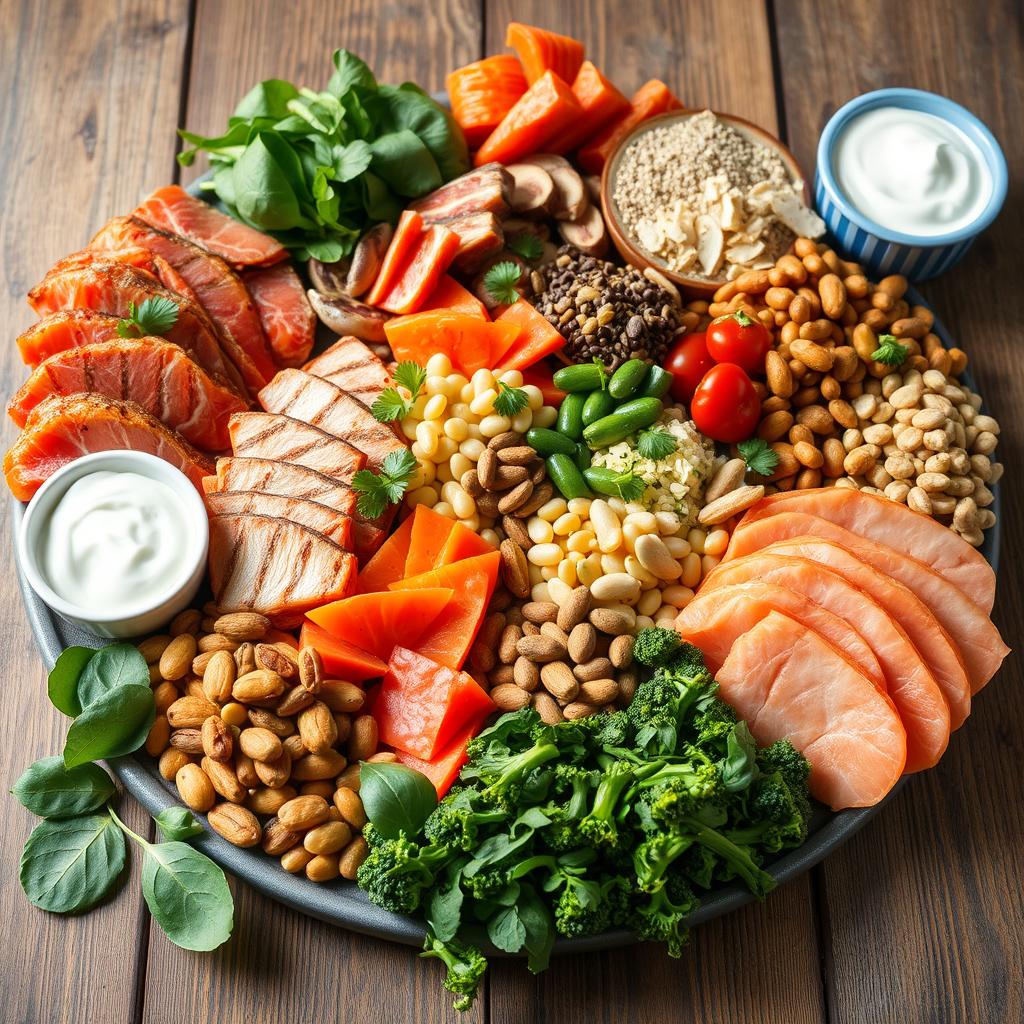
Choosing the right protein can change your diet for the better. You can pick from lean meats or plant-based proteins. There are many options to fit your diet needs.
Lean Meat and Fish Options
Lean meats and fish are great for protein with little fat. They have important nutrients for muscle growth and recovery.
- Chicken breast (skinless)
- Turkey
- Salmon
- Tuna
- Cod
Plant-Based Protein Sources
Plant-based proteins are good for vegetarians, vegans, and those looking for different protein sources. These foods are full of nutrients and protein.
- Lentils
- Quinoa
- Tofu
- Chickpeas
- Almonds
Protein Portion Guidelines
| Body Weight | Daily Protein Needs |
|---|---|
| 130 lbs | 47-58 grams |
| 160 lbs | 58-72 grams |
| 190 lbs | 68-86 grams |
“Protein is the building block of life, essential for maintaining muscle mass and supporting overall health.” – American Nutrition Association
Spread out your protein intake all day for better absorption and energy. A nutritionist can tailor your protein plan to your health goals.
Heart-Healthy Whole Grains and Nuts
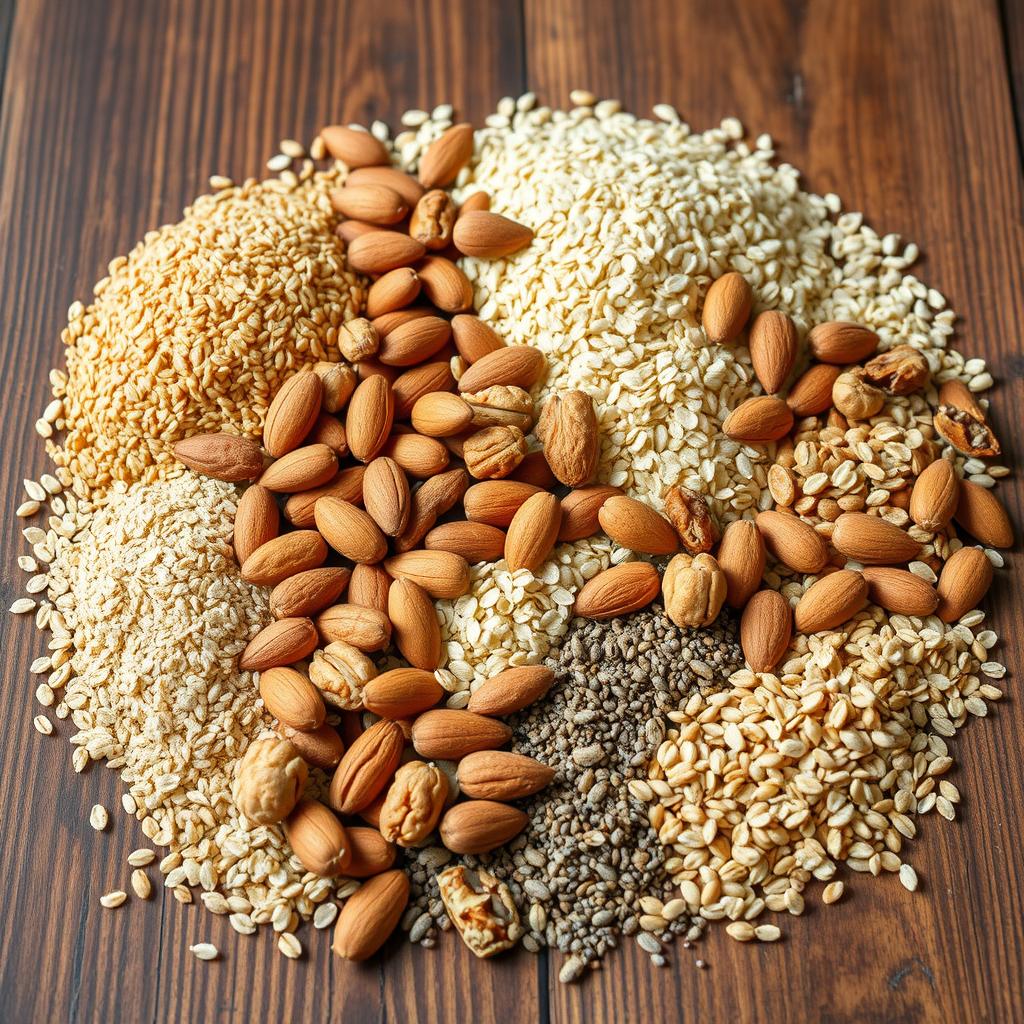
Starting to nourish your heart is all about making smart food choices. Whole grains do more than just fill your belly; they’re a key to a healthy heart. They’re packed with minerals, vitamins, and fiber that boost your overall health.
“Let food be thy medicine and medicine be thy food” – Hippocrates
Whole grains are like superheroes for your heart. They’re full of nutrients that keep your heart healthy. Unlike refined grains, whole grains keep all parts of the grain kernel, giving you the most nutritional bang for your buck.
- Quinoa: Complete protein source
- Brown rice: Rich in magnesium
- Oats: Proven cholesterol reducer
- Barley: Supports blood sugar regulation
Nuts are also superheroes for your heart. They’re loaded with fiber, omega-3 fatty acids, protein, and minerals. These nutrients help keep your heart in top shape.
| Nut Type | Key Benefit | Serving Size |
|---|---|---|
| Almonds | Lowers LDL Cholesterol | 1 oz (23 nuts) |
| Walnuts | Reduces Inflammation | 1 oz (14 halves) |
| Pistachios | Improves Blood Vessel Function | 1 oz (49 nuts) |
Adding whole grains and nuts to your diet can make a big difference in your heart health. Try to mix it up and eat them in moderation to get the most benefits.
Conclusion
Choosing a balanced diet is more than a trend—it’s a lifestyle choice. It can change your life for the better. Healthy eating gives your body the nutrients it needs, boosts energy, and fights off diseases.
Improving your health doesn’t need big changes. Small, steady changes in your diet can make a big difference. Adding fruits, veggies, lean proteins, and whole grains to your meals is a great start.
Remember, nutrition is a personal journey. Everyone’s needs are different. Listen to your body and talk to health experts before big changes. This can lead to more energy, better immunity, and a better life.
Begin today by choosing your food wisely. Your body will thank you for it. Every meal is a chance to nourish yourself and become stronger.
FAQ
What makes a food considered “healthy”?
A healthy food is rich in nutrients like vitamins, minerals, and antioxidants. It’s low in added sugars, unhealthy fats, and processed stuff. The best foods are whole, not too processed, and help your body stay healthy and fight off diseases.
How many servings of fruits and vegetables should I eat daily?
Experts say eat 5-9 servings of fruits and veggies every day. That’s about 2 cups of fruits and 2-3 cups of veggies. This helps you get all the nutrients you need for good health.
Are plant-based proteins as effective as animal proteins?
Yes, plant-based proteins work just as well if you mix them up. Foods like quinoa, legumes, tofu, and nuts have all the amino acids your body needs. By eating different plant proteins, you get all the amino acids for muscle health and overall well-being.
How can I improve my diet without completely changing my eating habits?
Start small by adding one more serving of veggies to your meals. Choose whole grains over refined carbs. Swap sugary drinks for water. Try new, nutritious foods slowly. The key is to be consistent in making healthier choices.
What are the best sources of heart-healthy fats?
Good fats for your heart come from avocados, olive oil, fatty fish like salmon, nuts (almonds, walnuts), seeds (chia, flaxseed), and extra virgin olive oil. These foods have omega-3 and monounsaturated fats that are great for your heart.
Can diet really help prevent chronic diseases?
Yes, it can! Eating a balanced diet rich in nutrients can lower your risk of heart disease, diabetes, and some cancers. Eating a variety of whole foods and avoiding processed stuff is key to staying healthy.
How important is hydration in maintaining a healthy diet?
Hydration is very important. Water helps with digestion, transports nutrients, and keeps your body temperature right. Most adults should drink about 8 glasses of water a day, depending on how active you are and your body’s needs.
What are the best strategies for maintaining a balanced diet?
Good strategies include meal planning, eating a variety of foods, controlling portions, and reading labels. Cooking at home more often and listening to your body’s hunger and fullness cues are also helpful. The goal is to make healthy eating enjoyable and sustainable.


