
The Best Fluffy Pancakes recipe you will fall in love with. Full of tips and tricks to help you make the best pancakes.
Starting your weight loss journey begins in the grocery store. Learning effective grocery shopping tips can change your eating habits. It helps you reach your health goals. Choosing the right foods is key to managing your weight.
Healthy eating starts with making smart choices before you shop. Knowing how to read labels and pick nutrient-rich foods is important. This guide will teach you how to make choices that support your health.
Key Takeaways
- Plan your meals before shopping to avoid impulse purchases
- Focus on whole, unprocessed food options
- Read nutrition labels carefully
- Shop the perimeter of the grocery store for fresh foods
- Prepare a detailed shopping list to stay on track
- Choose nutrient-dense foods over empty calories
- Practice portion control when selecting groceries
Essential Pre-Shopping Strategies for Weight Loss Success
Getting ready for a grocery trip is more than just picking up a cart. It’s about planning meals and counting calories. These steps can change your weight loss journey and help you choose better food.
Planning ahead can really help you reach your weight loss goals. Before you go to the store, take time to plan well. This will help you succeed.
Creating a Weekly Meal Plan
A good meal plan is your guide to healthy eating and weight control. Here are some important steps:
- Look at your schedule and plan meals that fit your life
- Make sure meals are balanced and meet your calorie goals
- Prepare meals early to avoid eating too much
- Keep meals varied to stay interested and full
Making a Detailed Shopping List
Your shopping list is a key tool for sticking to your diet. Make a list that:
- Matches your meal plan
- Lists exact amounts to avoid buying too much
- Focuses on foods that are good for you
- Avoids foods that are high in calories and processed
Setting Realistic Budget Goals
Eating healthy doesn’t have to cost a lot. Create a budget that helps you lose weight by:
- Comparing prices at different stores
- Buying produce that’s in season
- Choosing generic brands
- Buying in bulk when it makes sense
“Successful weight loss starts in the kitchen, not just the gym. Preparation is key.” – Nutrition Expert
By using these pre-shopping tips, you’ll be on your way to eating well. You’ll also keep control over your meal planning and calorie counting.
Navigating the Store Layout for Healthier Choices
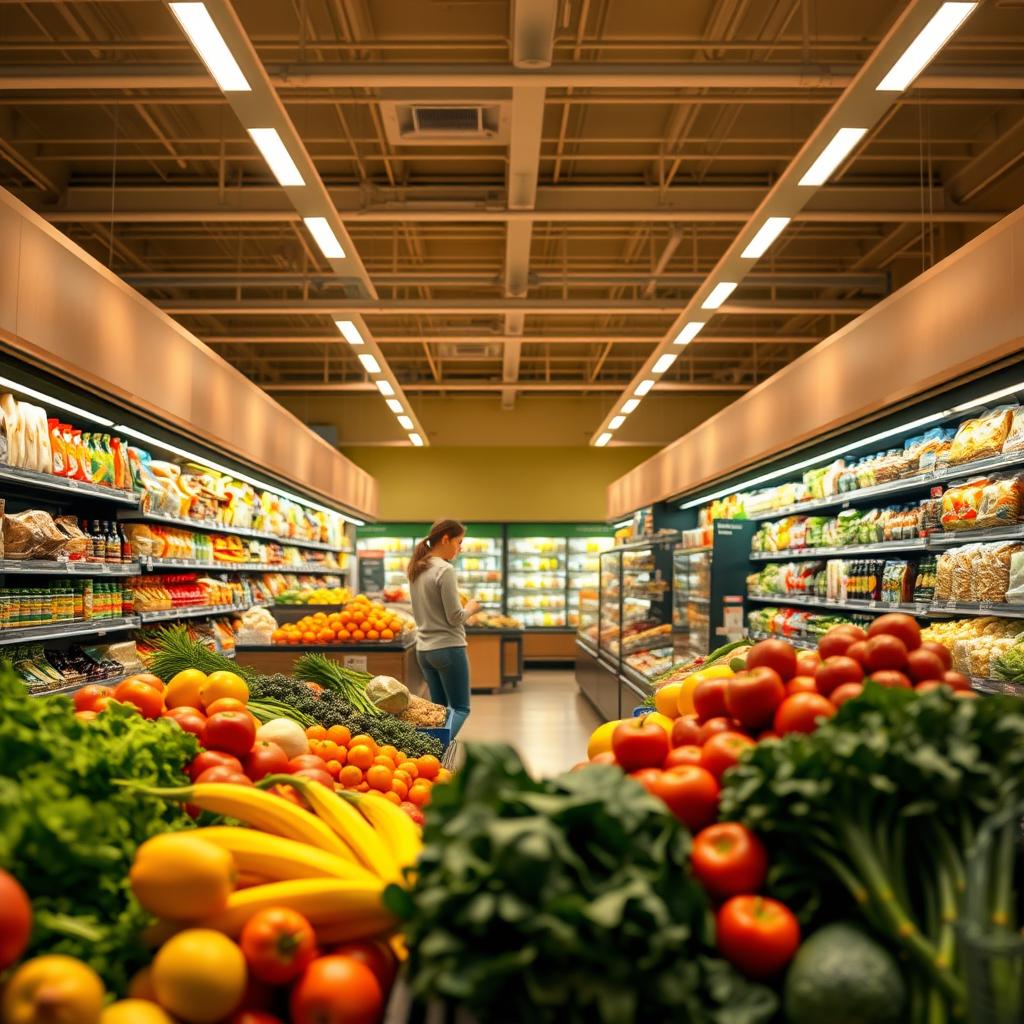
Smart grocery shopping starts with knowing how stores are laid out. It’s key to shop mindfully by planning your path through the supermarket. The healthiest foods are often found on the store’s edges, making them a great place to start for those trying to lose weight.
When you shop, focus on certain areas:
- Start with the fresh produce section
- Then, check out the lean protein displays
- Next, pick up dairy and refrigerated items
- And try to avoid the tempting center aisles
Staying away from tempting foods is simpler with a clear shopping plan. Experts say to make a mental map of healthy sections before you go. This helps you stay on track and avoid buying things you don’t need.
“The path to successful weight loss begins with intelligent grocery shopping.”
Nutritionists advise following the “perimeter rule.” Buy most of your food from the store’s edges, where whole foods are found. This way, you can eat better and help manage your weight.
Understanding Food Labels and Nutritional Information
Learning to read labels is key for managing your weight. By understanding what’s in your food, you can make better choices. This is the first step in controlling your portions.
Labels tell you a lot about what you eat. They show you the ingredients, serving sizes, and nutrients. This info is vital for losing weight.
Decoding Ingredient Lists
Ingredient lists can be confusing. Companies use fancy words to hide unhealthy stuff. Here’s how to read labels well:
- Ingredients are listed in descending order by weight
- Watch for multiple names for sugar
- Avoid products with long lists of unpronounceable ingredients
Calculating Serving Sizes
Controlling your portions starts with knowing serving sizes. Many eat more than they think. Here’s a simple guide:
| Package Size | Actual Servings | Calories per Serving |
|---|---|---|
| Snack Bag | 2-3 servings | 150-250 calories |
| Frozen Meal | 1-2 servings | 250-500 calories |
Identifying Hidden Sugars and Fats
Sugar and fat often have secret names. Be on the lookout for terms like:
- High fructose corn syrup
- Maltodextrin
- Hydrogenated oils
- Refined palm oil
“Knowledge is power when it comes to nutrition. Understanding food labels can transform your eating habits.” – Registered Dietitian
By learning to read labels and controlling your portions, you can make healthier choices. This will help you reach your weight loss goals.
Smart Grocery Shopping Tips for Weight Loss
Learning to shop smart for weight loss takes planning and choosing the right foods. The grocery store can be tough for those trying to eat healthy. Having a plan before you go helps you make better choices and avoid buying things you don’t need.
“Your cart is a reflection of your health goals – choose wisely!”
Here are key strategies for managing your weight:
- Shop the store’s perimeter for fresh produce, lean proteins, and dairy
- Stay away from processed food aisles with high-calorie temptations
- Make a list of low-calorie alternatives before you shop
- Use a handheld basket to buy less
Smart shoppers know the value of choosing low-calorie foods. Swapping high-calorie items for healthier options can really help with weight loss.
| High-Calorie Food | Low-Calorie Alternative | Calorie Difference |
|---|---|---|
| Regular Yogurt | Greek Non-Fat Yogurt | Save 50-100 calories |
| Whole Milk | Almond Milk | Save 60-80 calories |
| Potato Chips | Air-Popped Popcorn | Save 100-150 calories |
By using these tips, you can turn grocery shopping into a powerful way to reach your health goals.
Choosing Fresh Produce for Maximum Nutrition
Choosing the right fresh produce is key to healthy eating and weight management. Nutrient-dense foods are vital for your wellness. They give you essential vitamins, minerals, and fiber, keeping you full and energized.
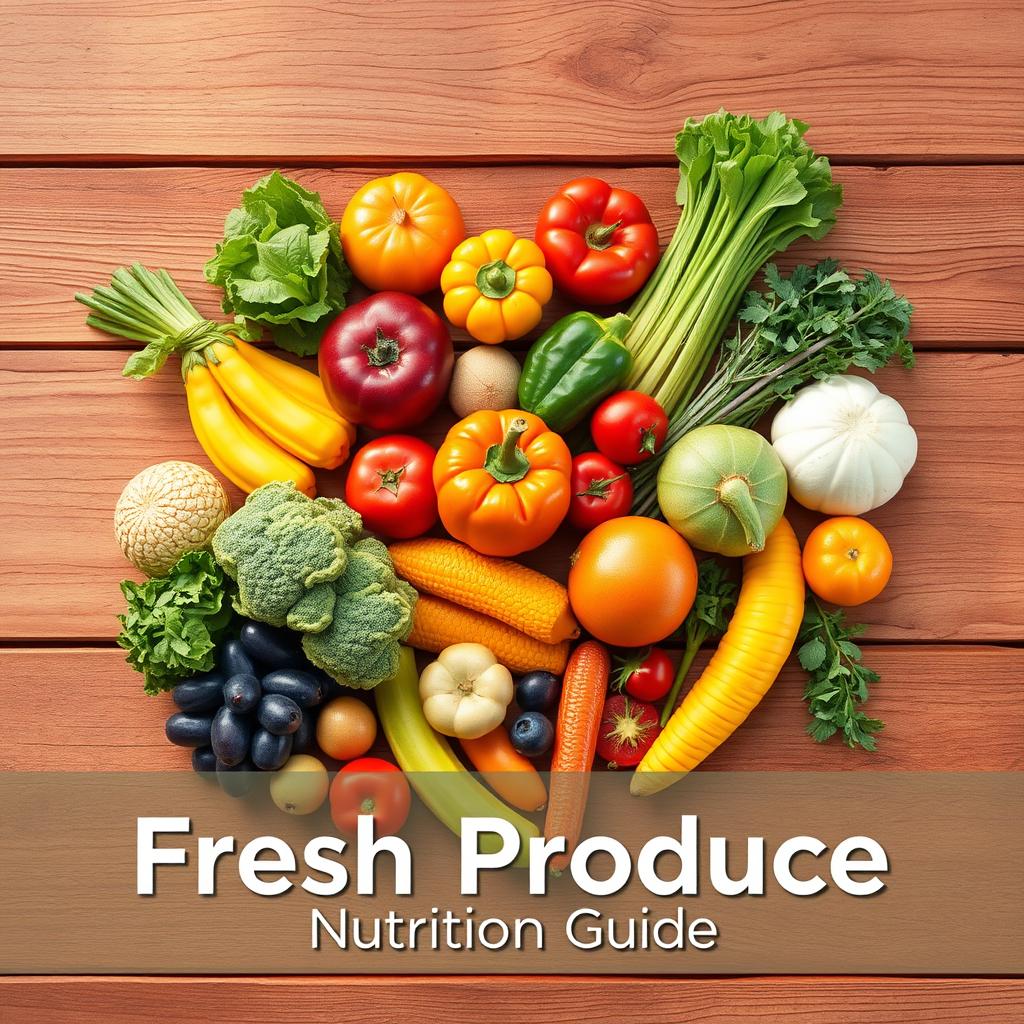
When you shop for fruits and veggies, knowing what’s in season and nutritious is important. Nutrient-dense foods help you eat well and lose weight effectively.
Seasonal Fruit Selection Guide
Each season brings its own fruits, all packed with nutrients:
- Spring: Strawberries, apricots, and cherries
- Summer: Watermelon, peaches, and berries
- Fall: Apples, pears, and pomegranates
- Winter: Citrus fruits, kiwis, and persimmons
Best Vegetables for Weight Loss
Some veggies are great for losing weight:
| Vegetable | Calories | Key Nutrients |
|---|---|---|
| Spinach | 7 per cup | Iron, Vitamin K |
| Broccoli | 31 per cup | Vitamin C, Fiber |
| Cauliflower | 25 per cup | Protein, Antioxidants |
Organic vs. Conventional Produce
Deciding between organic and conventional produce depends on your budget and what matters to you. Organic produce eliminates pesticide exposure. But, conventional options are cheaper.
“Nutrition is about making smart choices that work for your body and lifestyle.” – Nutrition Expert
It’s important to eat a variety of colorful, fresh produce. Focus on nutrient-dense foods to help you reach your weight loss goals.
Protein Selection Strategies for Weight Management
Choosing the right protein is key for managing weight. Nutrient-dense foods help you lose weight and stay full. Look for lean proteins that offer the most nutritional value.
“Protein is the building block of muscle and a powerful ally in weight loss.” – Nutrition Experts
Here are some top protein sources for balanced nutrition:
- Chicken breast (skinless)
- Greek yogurt
- Salmon and other fatty fish
- Tofu and tempeh
- Eggs
- Legumes and beans
It’s important to control your protein portions. Aim for 3-4 ounces, about the size of a deck of cards. This helps keep calories in check while ensuring you get enough nutrients.
Plant-based proteins are great for variety. Check out different protein sources that can help you reach your weight loss goals and provide vital nutrients.
Smart Protein Selection Tips
- Choose lean cuts of meat
- Mix plant and animal protein sources
- Prepare proteins through healthy cooking methods like grilling or baking
- Rotate protein sources to ensure varied nutrition
Pro tip: Pair protein with fiber-rich veggies for filling, nutrient-rich meals that aid in weight management.
Smart Carbohydrate Choices for Weight Loss
Finding the right carbs for weight loss can be hard. It’s key to pick carbs that help you lose weight and keep you full and energized.
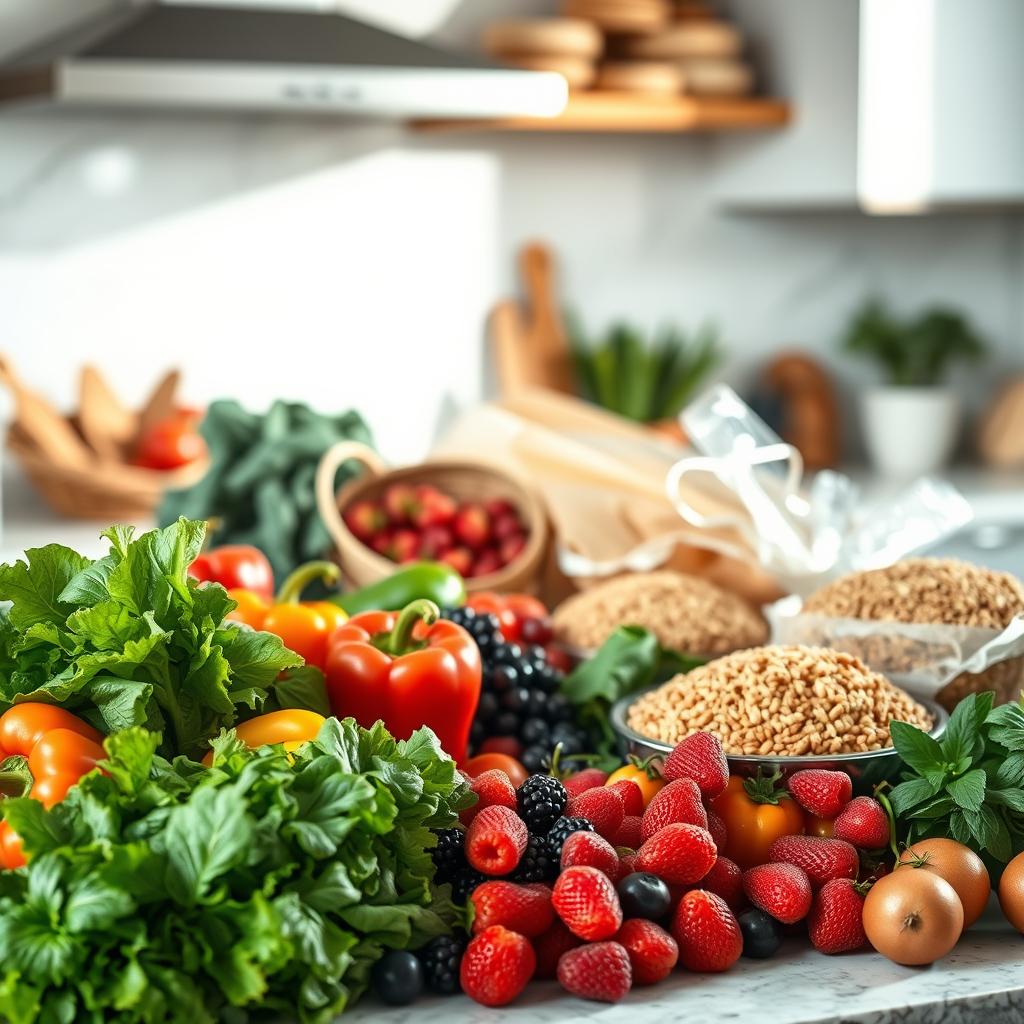
Not all carbs are bad. Making smart choices can help you lose weight and give you important nutrients.
Whole Grain Options
Whole grains are full of nutrients and help with weight management. They offer low-calorie alternatives with lots of fiber and minerals.
- Quinoa – complete protein and complex carbohydrate
- Brown rice – nutrient-dense and filling
- Barley – supports digestion and provides steady energy
- Whole wheat bread – high in fiber
Fiber-Rich Alternatives
Fiber is great for weight loss, making you feel full and keeping your digestive system healthy. Staying motivated on your fitness journey gets easier with these fiber-rich foods.
| Fiber Source | Fiber Content | Additional Benefits |
|---|---|---|
| Chia Seeds | 10.6g per ounce | Omega-3 fatty acids |
| Lentils | 15.6g per cup | Plant-based protein |
| Raspberries | 8g per cup | Antioxidant-rich |
Low-Glycemic Foods
Choosing low-glycemic carbs keeps your blood sugar stable. This reduces hunger and helps with weight loss. These foods give you energy without causing big insulin spikes.
“Choose carbohydrates that nourish your body and support your weight loss goals.” – Nutrition Expert
- Sweet potatoes
- Steel-cut oats
- Legumes
- Green vegetables
By picking the right carbs, you can eat healthily and reach your weight loss goals.
Healthy Snack Options Under 100 Calories
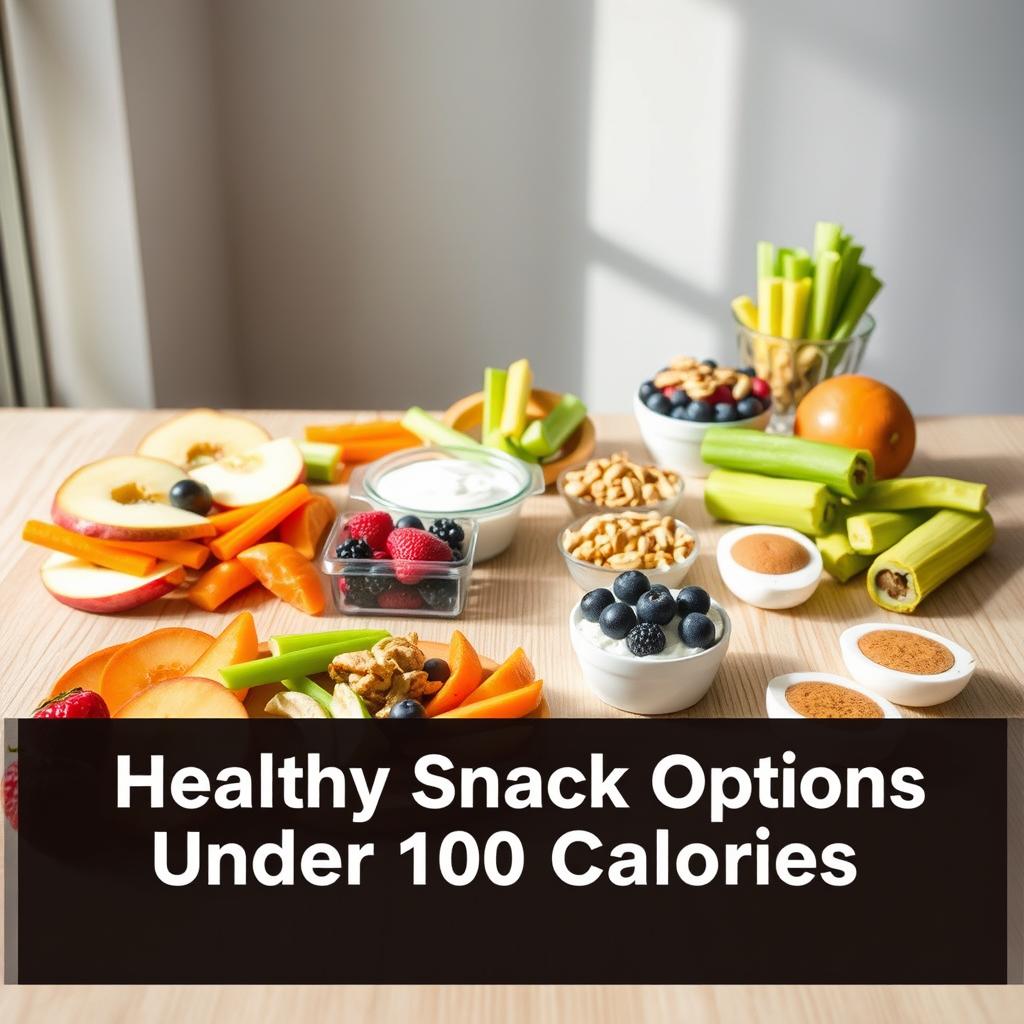
Counting calories doesn’t mean you have to miss out on tasty snacks. Making smart choices can help you stay full and keep your weight in check. Finding healthy, low-calorie snacks that taste great is simpler than you might think.
Here are some yummy snacks that are under 100 calories:
- Fresh fruit slices
- Greek yogurt with berries
- Vegetable sticks with hummus
- Hard-boiled eggs
- Air-popped popcorn
The WebMD snack guide has great tips for calorie counting. It shows that even low-calorie snacks can be full of flavor. Here’s what they suggest:
“Snacking smartly is about quality, not just quantity.” – Nutrition Expert
Protein-rich snacks can help you feel full longer. Here are some lean protein options:
- Cottage cheese cups
- Edamame
- Almonds (small portion)
- Turkey roll-ups
Pro tip: Always check the nutrition labels and measure your snacks. This way, you can stay within your calorie limit. Mindful snacking is a key part of managing your weight.
Money-Saving Strategies for Healthy Shopping
Eating healthy doesn’t have to be expensive. By planning meals and shopping wisely, you can save money. You can get nutritious food without spending too much.
- Compare prices across different stores
- Use loyalty programs and digital coupons
- Track weekly sales and promotions
Bulk Buying Benefits
Buying non-perishable items in bulk can save a lot of money. Smart bulk buying techniques help you save on items like:
- Whole grains
- Dried beans
- Nuts and seeds
- Frozen vegetables
Store Brand Alternatives
Store brand products are often cheaper but just as good as name-brand ones. By choosing generic options, you can save 20-30% on your grocery bill.
Seasonal Savings Tips
“Buying produce in season is the smartest way to eat fresh while keeping your budget intact.”
Seasonal fruits and veggies are cheaper and taste better. Look for discounts at farmers markets and local stores on in-season produce. This makes meal planning both affordable and tasty.
Conclusion
Learning how to shop for groceries for weight loss is more than a plan—it’s a change in lifestyle. It starts with making smart choices at the store. By using the tips from this guide, you can make your shopping trips help you reach your weight loss goals.
Every choice you make about food is important. You now know how to read labels and pick the best foods. Remember, losing weight is about making small, smart choices over time, not being perfect.
Your shopping cart shows how serious you are about your health. Start with one or two new habits at a time. This way, you can learn and grow in your shopping skills. Every item you pick is a step towards a healthier you.
See this knowledge as an investment in your health. Every healthy food you choose brings you closer to being your best self. Shopping for groceries can become a powerful way to support your health and weight loss goals.
FAQ
How can I avoid impulse buying unhealthy foods while grocery shopping?
Before you go to the store, make a detailed shopping list. Stick to it to avoid buying things you don’t need. Plan your meals ahead of time and eat a healthy snack before you shop.Avoid shopping when you’re stressed or tired. Shop around the store’s perimeter for fresh foods. Spend less time in aisles with processed foods.
What are the best ways to read nutrition labels for weight loss?
First, check the serving size and calories per serving. Look for foods with fewer calories and more fiber. Avoid foods with lots of added sugars.Read the ingredient list carefully. Choose foods with fewer, more recognizable ingredients. Focus on foods that are nutrient-dense but have fewer calories.
How can I save money while buying healthy foods?
Buy seasonal produce and store brands to save money. Frozen fruits and vegetables are also affordable and nutritious. Look for sales and use loyalty programs.Buy in bulk for non-perishable items. Plan meals around weekly specials and compare prices. Frozen and canned veggies are cheaper and just as good as fresh.
What are the best protein sources for weight loss?
Choose lean proteins like chicken, turkey, fish, tofu, legumes, and egg whites. These are low in calories but high in nutrients. They help you feel full longer.Consider plant-based proteins like lentils, chickpeas, and quinoa. They offer fiber and nutrients that support weight loss.
How can I control portion sizes while grocery shopping?
Buy smaller packaging and use portion control containers. Choose single-serve options when you can. Pre-portion bulk items at home.Look for foods that are nutrient-dense but have smaller portions. Avoid buying too much of tempting, high-calorie foods.
Are store brands as healthy as name-brand products?
Many store brands have the same or better nutritional profiles as name brands. Always check the nutrition label. Store brands are often cheaper without sacrificing quality or nutrition.
How do I choose the best fruits and vegetables for weight loss?
Choose colorful, low-calorie produce like leafy greens and berries. Opt for whole fruits and veggies over processed ones. Look for vibrant colors, which mean more nutrients.Consider frozen fruits and veggies as affordable, nutritious options.
What are some healthy snack options under 100 calories?
Great snacks include apple slices with almond butter, Greek yogurt with berries, and carrot sticks with hummus. Hard-boiled eggs, air-popped popcorn, and small nuts are also good. These snacks are full of nutrients and help with weight loss.


