
The Best Fluffy Pancakes recipe you will fall in love with. Full of tips and tricks to help you make the best pancakes.
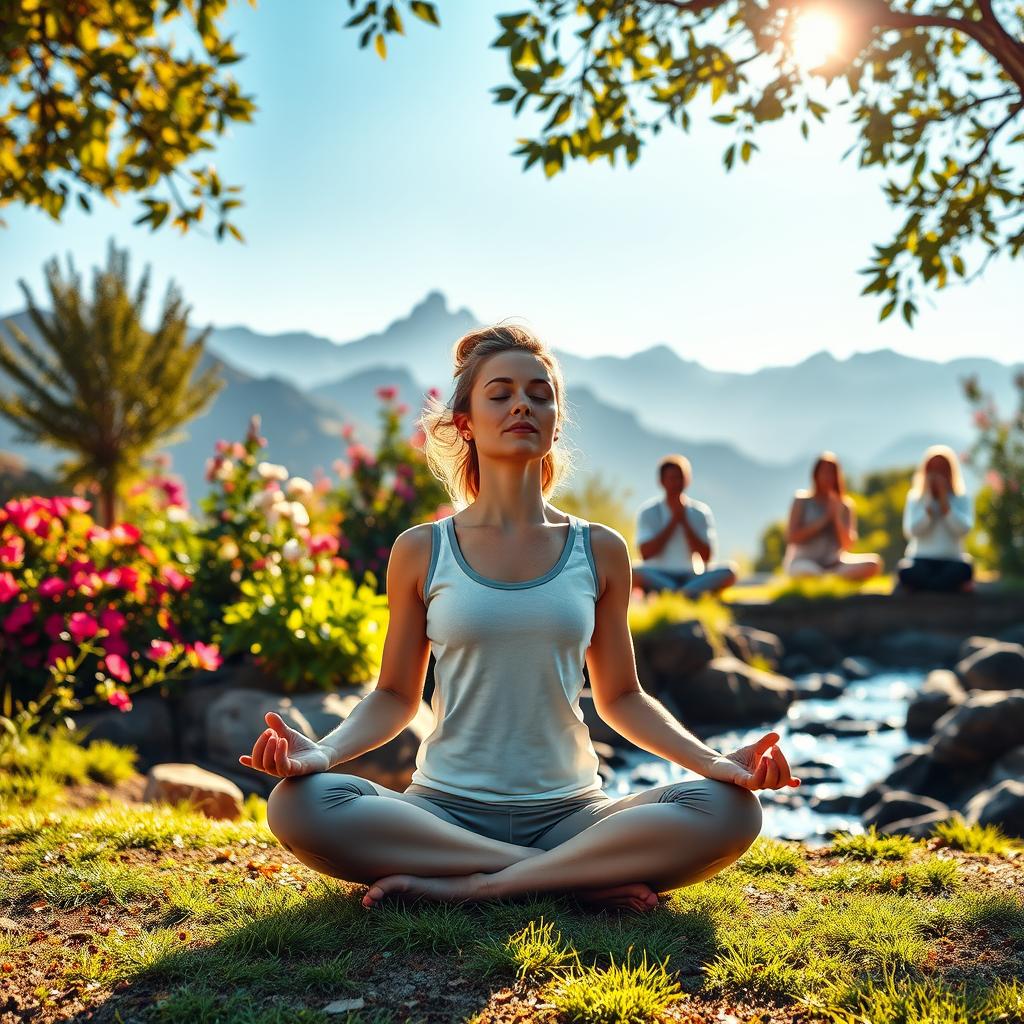
In today’s fast world, managing stress is key. Learning simple ways to reduce stress can help you feel better quickly. This article will show you easy ways to find relief and relax for good. Stress can mess up our daily lives, but with a few simple steps, you can feel better.
For a detailed guide on managing stress, check out this resource. It has great tips and advice.
Key Takeaways
- Effective stress management is vital for your health.
- Simple methods can give you quick stress relief.
- Add mindfulness and relaxation to your daily routine.
- Exercise is a strong way to fight stress.
- Having a supportive environment helps with stress.
Understanding Stress
Stress is a big part of our lives. It’s how our body reacts to tough situations. It affects us physically and emotionally. Knowing this is the first step to handling it well.
What is Stress?
Stress makes our body respond in many ways when we face hard times. We might feel anxious, irritable, or our heart might beat faster. These signs tell us we need to pay attention to our lives.
Common Causes of Stress
Knowing what causes stress helps us understand its impact. Common stressors include:
- Financial Problems: Money worries can cause a lot of anxiety.
- Work Pressure: High expectations and tight deadlines can increase stress.
- Relationship Issues: Problems in personal relationships can be emotionally draining.
- Health Concerns: Chronic illness or health worries also contribute to stress.
Being aware of these stressors is key to managing stress. By understanding stress, we can take steps to improve our mental health.
How to Reduce Stress Instantly with These Simple Techniques
In tough times, knowing how to reduce stress instantly is key. Using effective techniques helps manage anxiety and control emotions. Quick stress relief strategies improve mental health and well-being.
Quick Stress Relief Strategies
Using instant stress relief techniques can make a big difference. Physical activity is very effective. It releases endorphins, which improve mood and energy.
Simple actions like a brisk walk or stretching can help fast. These actions can quickly change how you feel.
- Deep-breathing exercises promote relaxation and help lower cortisol levels.
- Mindfulness practices foster awareness and help break the cycle of racing thoughts.
- Gratitude journaling shifts focus towards positive aspects of life.
Adding these methods to your daily routine gives you tools to manage stress well.
Benefits of Instant Stress Relief Techniques
Using quick stress relief strategies helps with immediate stress and long-term benefits. These techniques improve focus and mood. They also lead to better health over time.
Adding good nutrition to your stress management plan is also helpful. For more on holistic health, check out this resource.
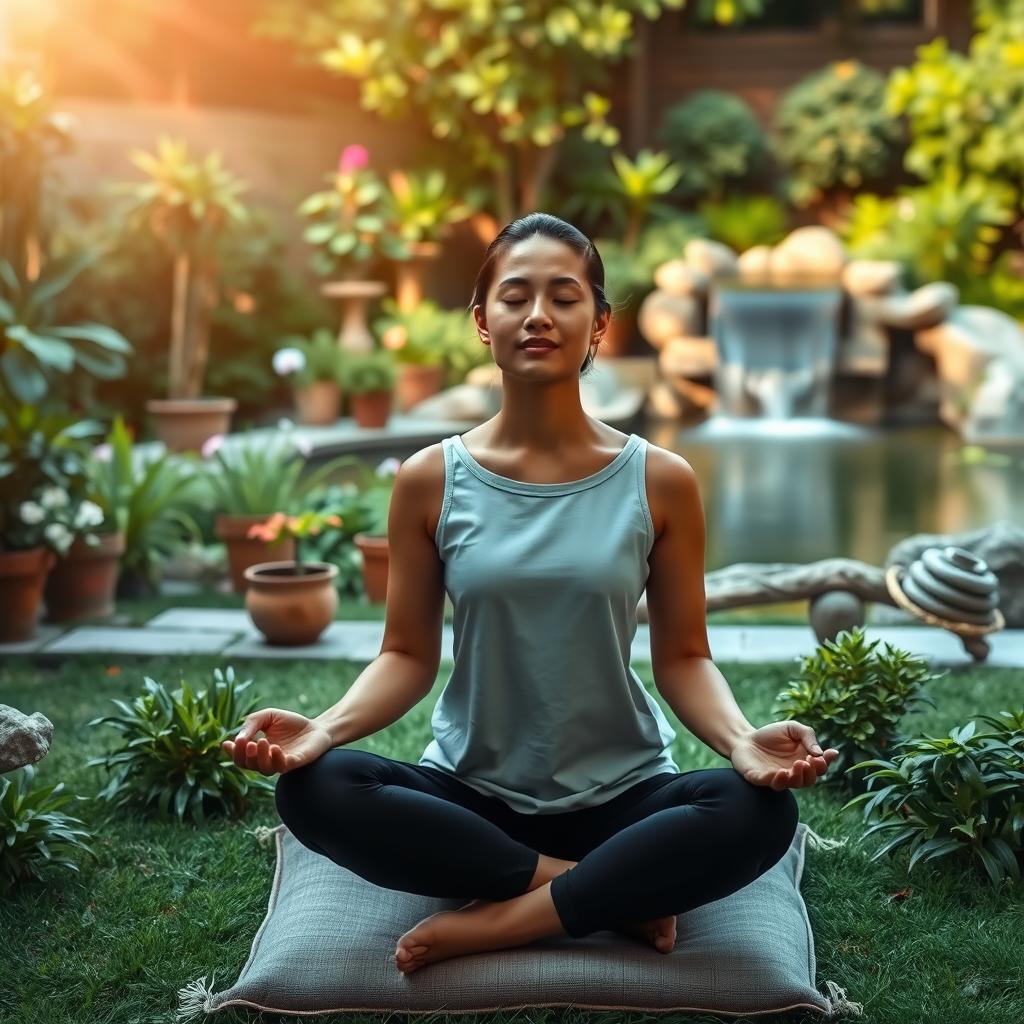
Research shows the importance of using instant stress relief techniques regularly. As you practice these methods, you’ll become better at handling life’s challenges.
Mindfulness for Stress Relief
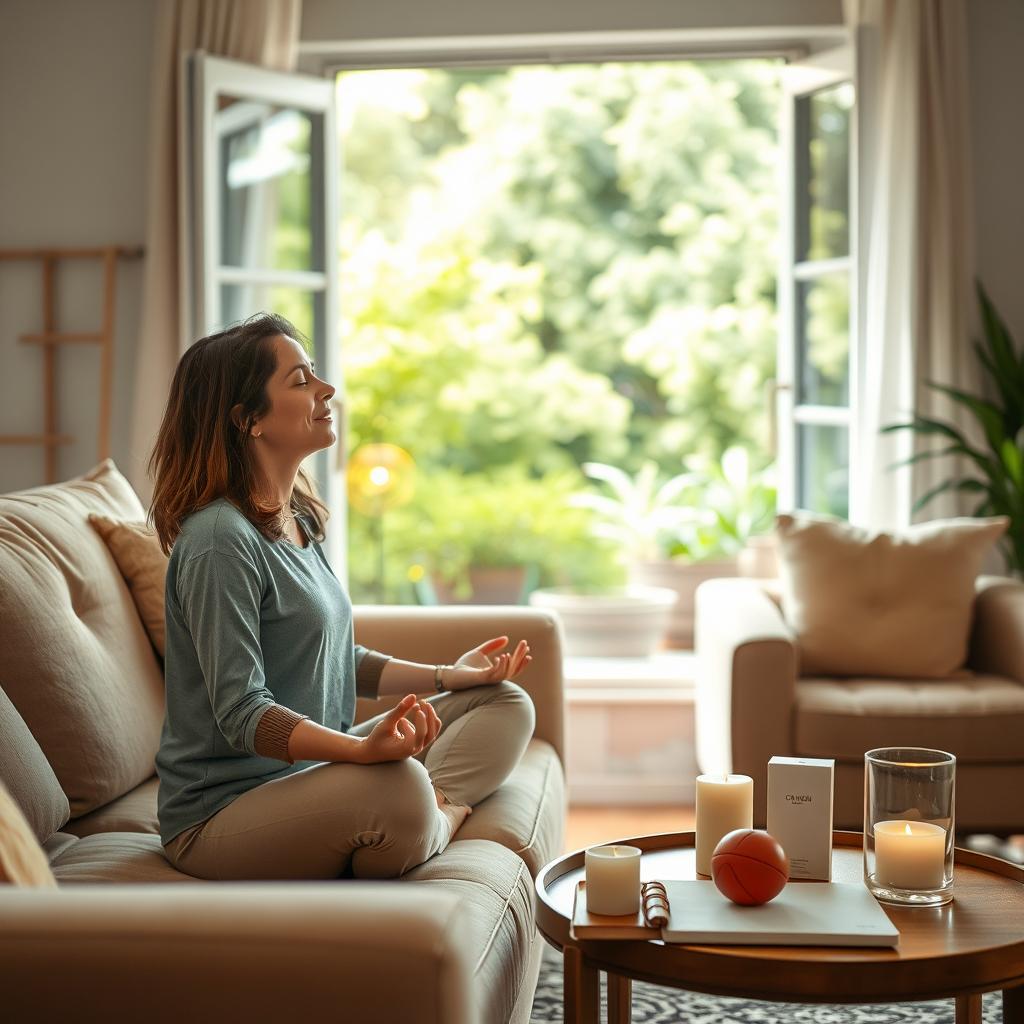
Mindfulness helps us focus on the present moment. It reduces anxiety and tension. By using mindfulness techniques, we can handle daily stress better. This method also helps us relax and become more emotionally strong.
Practicing Mindfulness Techniques
Here are some mindfulness techniques to try:
- Mindful eating: Enjoy each bite, noticing flavors and textures. It helps you connect with your food.
- Mindful walking: Walk slowly, paying attention to your surroundings. Let your thoughts calm down.
- Body scan: Check your body for tension or stress. Notice without judging.
Mindfulness Meditation and Breathing Exercises
Mindfulness meditation is key for deep relaxation. Focus on your breath, letting thoughts go. Adding breathing exercises makes it even better. Here are some simple ones:
- Deep breathing: Breathe in through your nose for four counts, hold for four, then breathe out through your mouth for five counts.
- Box breathing: Breathe in for four seconds, hold for four, breathe out for four, and hold again for four seconds.
Using mindfulness meditation and these breathing exercises can really lower stress. It brings peace and well-being into our lives.
Simple Relaxation Exercises for Stress
Adding relaxation exercises to your day can really help. Techniques like deep breathing and progressive muscle relaxation are great for managing stress and physical tension. Here’s how to get started.
Deep Breathing Techniques
Deep breathing helps your body relax. Sit or lie down comfortably. Close your eyes and breathe in slowly through your nose for four counts. Let your belly rise as you breathe in.
Hold your breath for four counts, then breathe out slowly through your mouth for four counts. Do this a few times. Focus on your breath’s rhythm. It can slow down your heart and lower stress.
Progressive Muscle Relaxation
Progressive muscle relaxation helps release physical stress. Start by tensing your toes for five seconds, then relax them. Move up your body, tensing and relaxing each muscle group until you reach your head.
This method highlights the difference between tension and relaxation. It helps you find calm. Both deep breathing and progressive muscle relaxation can help you deal with stress every day.
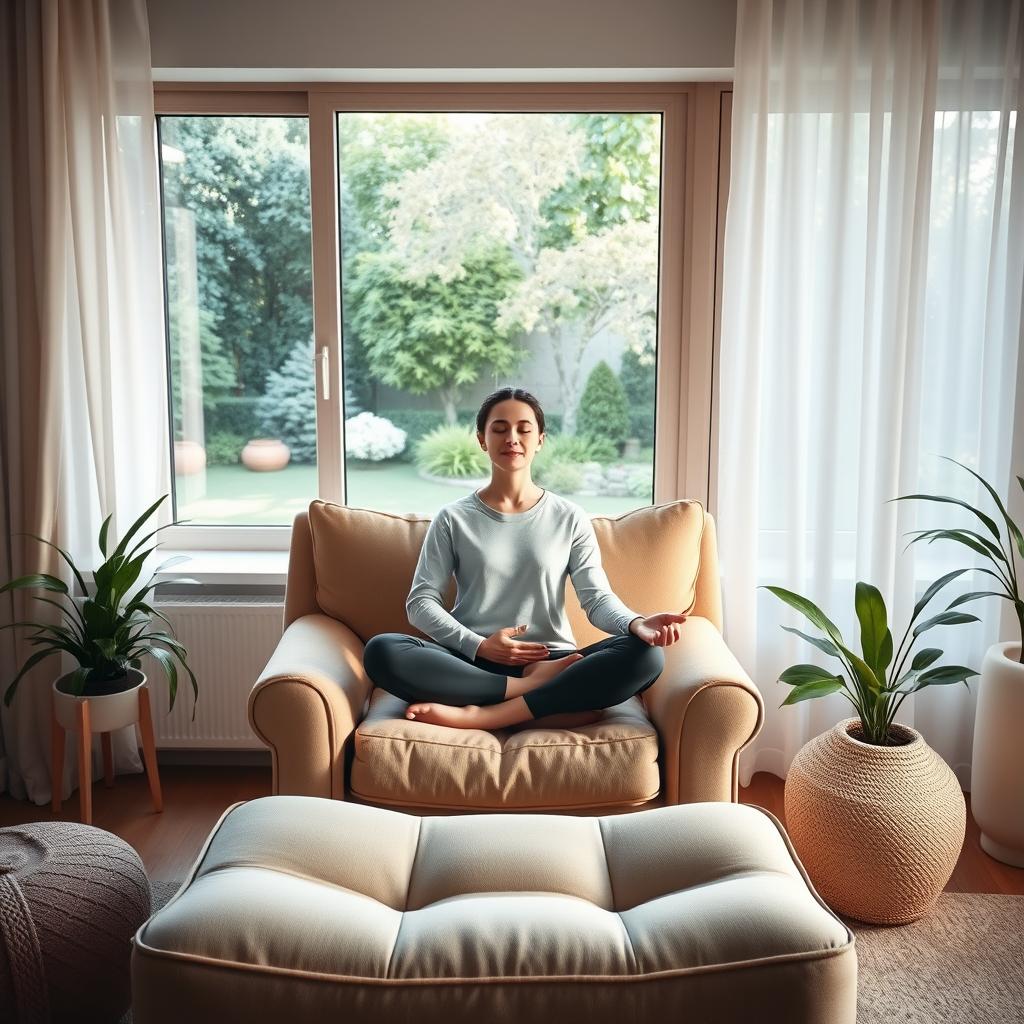
Stress Management Strategies for Daily Life
Adding stress management to your daily routine can boost your well-being. It’s key to have a calm and stress-free environment at home and work. This helps keep your mind clear and focused. Here, we share tips for creating such a space and managing your time to reduce stress.
Creating a Stress-Free Environment
A peaceful space can change your day. Here are ways to make your area stress-free:
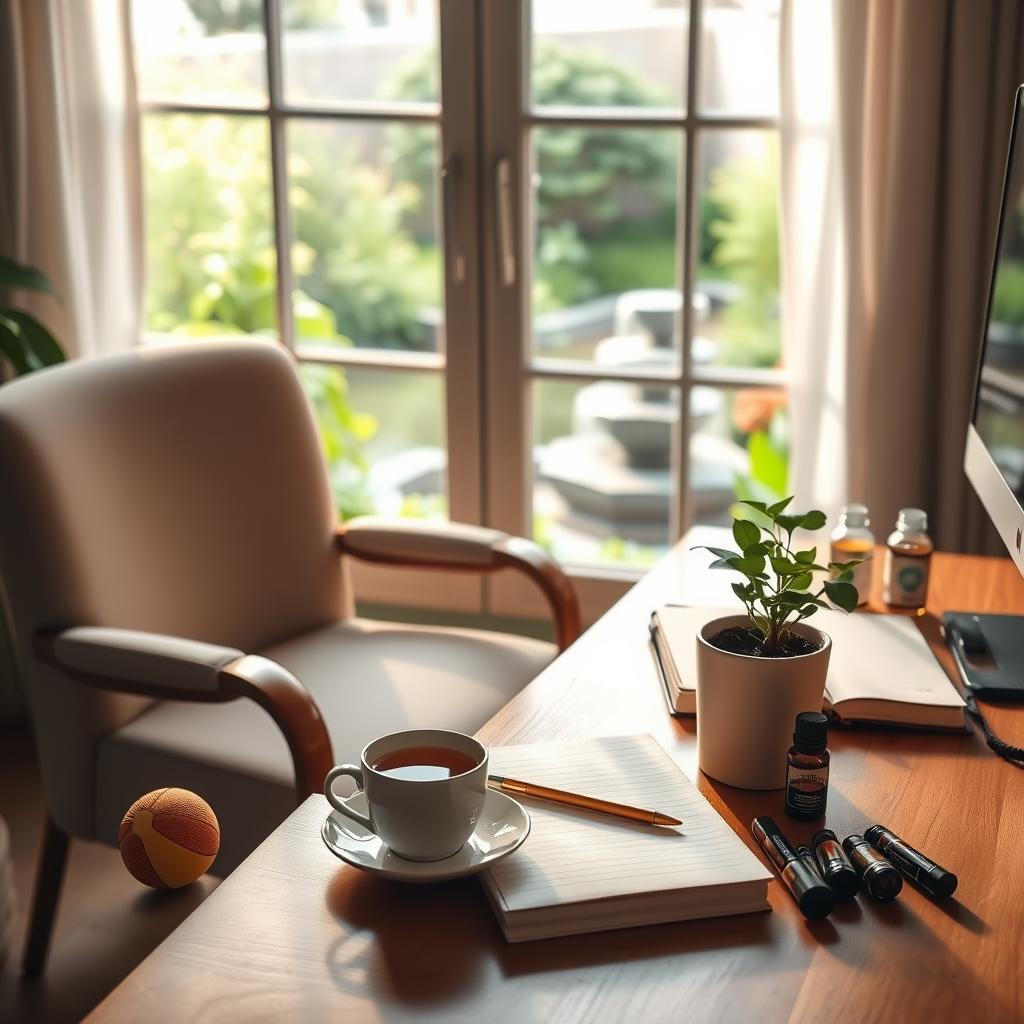
- Clear your workspace to avoid distractions and stay productive.
- Use calming colors like pastels or earth tones in your decor.
- Add plants to bring life and positive vibes to your space.
- Have a special area for relaxing after a busy day.
Time Management Tips for Reducing Stress
Good time management for stress reduction is key. Follow these tips to manage your day better:
- Use a planner to sort tasks, starting with the urgent ones.
- Set goals that are realistic and achievable to avoid feeling stressed.
- Take regular breaks to refresh and stay focused.
- Avoid multitasking to keep productivity high and stress low.
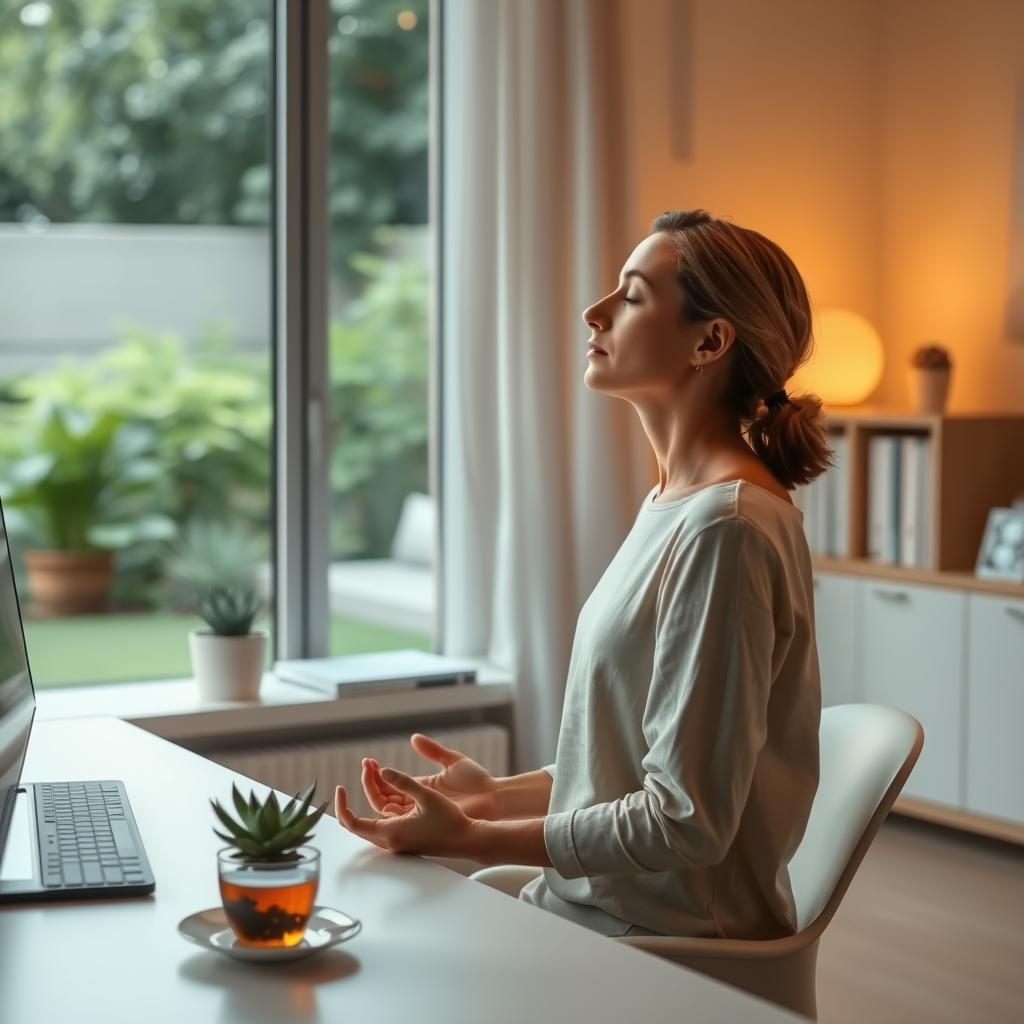
For more tips on staying motivated in fitness, check out these stress management strategies. They help you live a balanced life.
| Strategy | Description | Benefits |
|---|---|---|
| Decluttering | Removing unnecessary items from your space. | Enhances focus and reduces anxiety. |
| Color Psychology | Using color to influence mood and atmosphere. | Creates a calming and inviting space. |
| Time Prioritization | Organizing tasks by urgency and importance. | Increases productivity and reduces overwhelm. |
Stress Coping Techniques to Try
Managing stress well means using different coping techniques. Journaling and physical activity are top choices. They help right away and build long-term stress resistance.
Journaling as a Stress Relief Method
Journaling is a strong tool for sharing thoughts and feelings. It helps people understand their emotions better. By writing regularly, you can clear your mind and feel less anxious.
Physical Activity as a Coping Mechanism
Adding physical activity to your day is key for stress control. Activities like walking, running, or yoga lower stress. They also boost your mood.
Doing these activities keeps you healthy and helps manage stress. For more on these methods, check out this resource.
Effective Stress Reduction Tips
Managing stress starts with setting healthy boundaries. This means saying no to things that drain your energy. It also means spending time with people who support you. Friends, family, and community are key to feeling less stressed.
Establishing Healthy Boundaries
Healthy boundaries stop stress from taking over. Saying no helps you keep your time and energy for what’s important. Here are some tips:
- Communicate your needs clearly and directly.
- Be assertive about your limits.
- Prioritize self-care without guilt.
- Recognize when to withdraw from toxic situations.
Social Support and Its Impact on Stress Levels
Having people to rely on can really help with stress. Being around supportive friends and family can make you feel better. Here are some ways they can help:
| Benefit | Description |
|---|---|
| Emotional Support | Listening and understanding during tough times can reduce feelings of isolation. |
| Practical Help | Assistance with daily tasks can alleviate stress. |
| Encouragement | Moral support and motivation can inspire positive changes. |
| Shared Activities | Participating in social events can distract from stressors. |
Utilizing Nature for Instant Stress Relief
Being in nature has many benefits for our mental health. It helps us feel calm and connected to the world around us. Knowing how nature helps us relax can make us feel better.
Benefits of Nature Walks
Research shows that nature walks are great for our minds. They can:
- Lower cortisol levels, helping us relax.
- Make us feel happier and more emotionally balanced.
- Improve our focus and thinking skills.
- Bring us joy and contentment.
Adding nature walks to your daily routine is a smart move. They’re good for your body and mind, helping you feel more positive.
Gardening as a Therapeutic Activity
Gardening is also a great way to reduce stress. It makes us focus on the present, connecting us with nature. Caring for plants gives us a sense of purpose and calm.
Gardening also gets us moving, which is good for our bodies. It’s a mix of physical activity and mental calm, helping us manage stress. It’s a creative way to improve our mental health.

| Activity | Benefits | Frequency |
|---|---|---|
| Nature Walks | Reduces stress, improves mood | 3-5 times a week |
| Gardening | Enhances mindfulness, encourages exercise | Weekly |
How to Incorporate Relaxation into Your Routine
Adding relaxation to your daily life is key for your mental and physical health. Having a schedule that includes time for rest and thought can boost your productivity and lower stress. It’s important to take care of yourself, starting with mindful breaks at work.
Scheduling Downtime
Planning downtime is as vital as any work task. Treating personal time with the same importance as meetings helps you recharge. Here are some tips for planning your downtime:
- Set specific times each week for relaxation.
- Use a planner to keep your downtime plans on track.
- Choose activities that help you relax, like reading, meditation, or enjoying nature.
Mindful Breaks During Work Hours
Mindful breaks during work help your mind reset. These breaks let you reflect and recharge, fighting off daily stress. Here’s how to make the most of these breaks:
- Take short breaks every hour to stretch or breathe deeply.
- Make a quiet spot to focus on mindfulness without distractions.
- Try quick, energizing activities like walking or listening to calming music.
By adding these practices to your day, you improve your productivity and balance. Remember, making relaxation a part of your routine is a gradual journey. It leads to lasting benefits.
Conclusion
In today’s fast world, it’s key to find ways to reduce stress. We’ve talked about many methods, like mindfulness and spending time in nature. These can help you feel better right away and improve your life over time.
By using these techniques every day, you can make your life more peaceful. This is important for your health and happiness.
Stress relief is not just about avoiding stress. It’s about building habits that make you stronger and calmer. Techniques like deep breathing, journaling, and walks in nature are great for this.
Think about adding these stress-reducing habits to your daily life. Every small step can make a big difference. Start using these methods and enjoy a life with less stress and more balance.
FAQ
What are some quick stress relief techniques?
Quick stress relief techniques include deep breathing and short walks. Mindfulness and physical activity also help. Simple acts like stretching or drinking herbal tea can relax you too.
How can mindfulness help with stress relief?
Mindfulness, like meditation, keeps you present and aware. It reduces anxiety and improves emotional control. It helps manage stress by bringing calm and clarity.
What are relaxation exercises for stress management?
Relaxation exercises are deep breathing, progressive muscle relaxation, and guided imagery. They calm the mind and body. This reduces physical tension and stress.
Why is establishing healthy boundaries important for stress reduction?
Healthy boundaries prevent overwhelm and let you focus on yourself. Setting limits improves relationships and reduces stress.
Can physical activity really reduce stress?
Yes, physical activity is a top stress fighter. It releases endorphins, boosting mood. It’s a strong way to handle daily stress.
What benefits do nature walks provide for stress relief?
Nature walks lower cortisol, improve mood, and relax you. Being outdoors connects you with nature and promotes mindfulness.
How can I incorporate relaxation into my daily routine?
To add relaxation to your day, schedule downtime and mindful breaks. Quick exercises help too. This keeps self-care a priority, even when busy.


