
The Best Fluffy Pancakes recipe you will fall in love with. Full of tips and tricks to help you make the best pancakes.

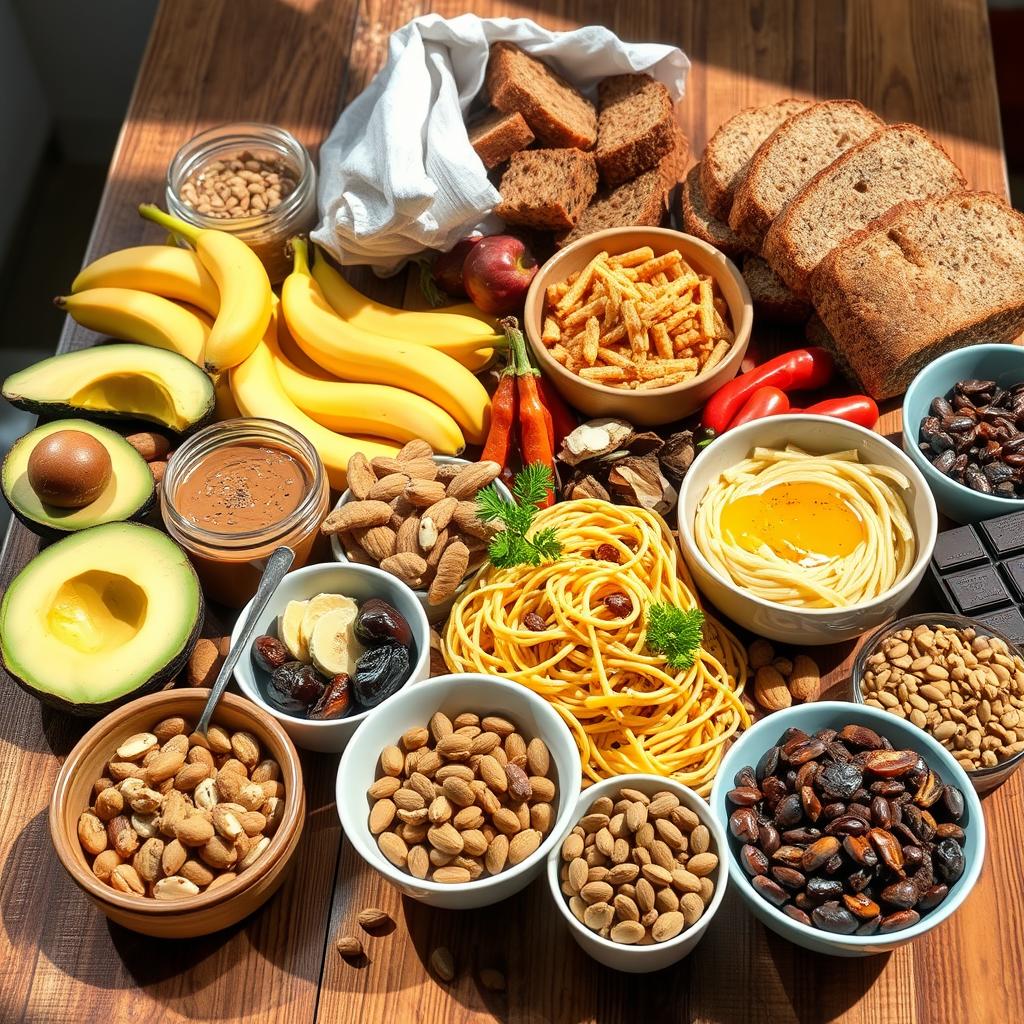
Gaining weight can be tough, just like losing it. Athletes and others trying to gain healthy mass face challenges. It’s not easy to increase body weight, even with hard work.
A healthy weight gain diet isn’t about junk food or empty calories. It’s about balanced nutrition, smart exercise, and knowing your body’s needs. To gain weight right, you need to eat well and support muscle growth with good training.
To gain weight well, you need a plan that covers nutrition, exercise, and lifestyle. This journey takes patience, consistency, and a scientific approach. It’s about building lean muscle and increasing body weight.
Key Takeaways
- Create a personalized calorie surplus strategy
- Focus on nutrient-dense foods for healthy weight gain
- Implement targeted strength training routines
- Monitor progress and adjust your approach regularly
- Understand the importance of rest and recovery
Understanding the Science Behind Weight Gain
Gaining weight is a complex process rooted in human physiology. It’s important to understand the basics to tackle metabolism challenges and reach body goals.
The path to successful weight gain starts with energy balance and metabolic function. Your body’s ability to gain weight depends on many factors, not just calories.
Caloric Surplus and Energy Balance
A calorie surplus meal plan is key for weight gain. This means eating more calories than you burn each day. The science is simple:
- Calculate your total daily energy expenditure (TDEE)
- Increase caloric intake by 300-500 calories above TDEE
- Prioritize nutrient-dense foods
Role of Metabolism in Weight Gain
Metabolism is vital in how your body uses and stores energy. Some people have fast metabolisms, making weight gain hard. To overcome this, try:
- Eating frequent, high-calorie meals
- Incorporating resistance training
- Consuming protein-rich foods
Hormonal Factors Affecting Mass Building
“Hormones are the silent architects of body composition” – Fitness Nutrition Expert
Hormones like testosterone and growth hormone are key for muscle growth and weight gain. Proper nutrition, sleep, and exercise can boost your body’s mass-building ability.
How to Gain Weight Effectively: A Comprehensive Strategy

Gaining weight well means more than just eating more. It’s about building lean muscle through a detailed plan. This plan includes good nutrition, exercise, and lifestyle changes.
A good weight gain plan has several key parts:
- Creating a targeted caloric surplus
- Starting progressive resistance training
- Improving nutrient intake
- Managing recovery and rest
Nutrition is vital for your weight gain journey. Quality calories matter more than quantity. Aim for nutrient-rich foods that help muscles grow and keep you energized. Choose whole foods high in proteins, complex carbs, and healthy fats.
“Muscle is built in the kitchen as much as in the gym” – Professional Fitness Trainer
Exercise is also key for turning calories into lean muscle. Compound movements in resistance training help grow muscles and direct calories to muscle, not fat. This kind of training boosts protein synthesis and supports muscle growth.
Your plan should also consider your unique metabolism. Some people might need a more intense approach to beat a fast metabolism and reach their weight gain goals.
Remember, every body is different. Personalizing your strategy is essential for effective weight gain. Keep track, be patient, and be ready to tweak your plan as needed for success.
Creating Your Calorie Surplus Meal Plan
Creating a good meal plan for healthy weight gain is all about planning and knowing what your body needs. It’s not just about eating more. It’s about eating the right foods to help your muscles grow and keep you healthy.

Building a good nutrition plan involves several key parts. These parts work together to help you gain weight well.
Calculating Your Daily Caloric Needs
Finding out how many calories you need is the first step. Here’s how to figure out your ideal calorie intake:
- Start with your Basal Metabolic Rate (BMR)
- Consider how active you are
- Add 300-500 calories to make a surplus
Macronutrient Distribution for Optimal Gains
Getting the right mix of macronutrients is key for a good calorie surplus meal plan. Aim for this balance:
| Macronutrient | Percentage | Calories per Gram |
|---|---|---|
| Protein | 30-35% | 4 calories |
| Carbohydrates | 40-50% | 4 calories |
| Fats | 20-25% | 9 calories |
Meal Timing and Frequency
Planning your meals well can really help with weight gain. Being consistent is important for a calorie surplus meal plan.
“Eat frequently and deliberately to support muscle growth and metabolic efficiency.”
- Eat 5-6 smaller meals a day
- Space meals every 2-3 hours
- Make sure to include protein in each meal
- Choose nutrient-rich foods
By following these tips, you’ll have a plan to gain weight in a healthy way. This will help you build muscle and stay healthy.
Essential High-Calorie Foods for Weight Gain
Building a healthy weight gain diet means choosing foods that are both high in calories and full of nutrients. Knowing which high-calorie foods to eat can make a big difference in your muscle-building journey.
To gain weight effectively, you need to eat foods that are rich in nutrients but also high in calories. It’s important to pick foods that give you lots of energy without sacrificing nutritional value.
- Protein-Rich Options:
- Lean red meats
- Fatty fish like salmon
- Whole eggs
- Greek yogurt
- Calorie-Dense Carbohydrates:
- Brown rice
- Sweet potatoes
- Quinoa
- Whole grain pasta
- Healthy Fat Sources:
- Avocados
- Nuts and nut butters
- Olive oil
- Coconut
“Nutrition is the foundation of muscle growth. Choose quality calories that fuel your body.” – Professional Nutritionist
Adding these foods to your healthy weight gain diet can really boost your muscle-building efforts. Planning your meals well ensures you get enough calories while keeping your diet balanced.
| Food Category | Calories per Serving | Protein Content |
|---|---|---|
| Salmon | 208 | 22g |
| Avocado | 320 | 4g |
| Peanut Butter | 190 | 8g |
Consistency is key. Your high-calorie foods list should be varied, enjoyable, and something you can stick to for the long haul.
Strategic Workout Routines for Muscle Mass
Creating a good muscle building workout routine is key for anyone wanting to build lean muscle. The right plan can change your fitness journey. It helps you grow muscles and get stronger.
To grow muscles well, you need a smart plan, not just random lifting. Your workout should be focused, aimed, and get harder as you go.
Compound Exercises for Maximum Growth
Compound exercises are the heart of a good muscle growth plan. These exercises work many muscles at once. This means more muscle growth and strength.
- Squats: Full-body exercise targeting legs and core
- Deadlifts: Full-body movement for the back and legs
- Bench Press: Works the chest, shoulders, and triceps
- Pull-ups: Strengthens the back and biceps
Rest and Recovery Protocols
Muscle growth happens when you rest, not when you’re working out. It’s important to rest right for the best muscle building results.
| Recovery Strategy | Recommended Duration | Benefits |
|---|---|---|
| Sleep | 7-9 hours nightly | Hormone regulation, muscle repair |
| Active Recovery | 1-2 days per week | Reduces muscle soreness, improves circulation |
| Protein Intake | 1.6-2.2g per kg bodyweight | Supports muscle protein synthesis |
Progressive Overload Techniques
To keep growing muscles, use progressive overload. This means slowly adding more weight, doing more reps, or working out more often.
“Muscles are built through consistent challenge and strategic progression.” – Fitness Expert
Keep track of your progress, stay in good form, and listen to your body. This helps you grow lean muscle safely and keeps you from getting hurt.
Supplements That Support Healthy Weight Gain
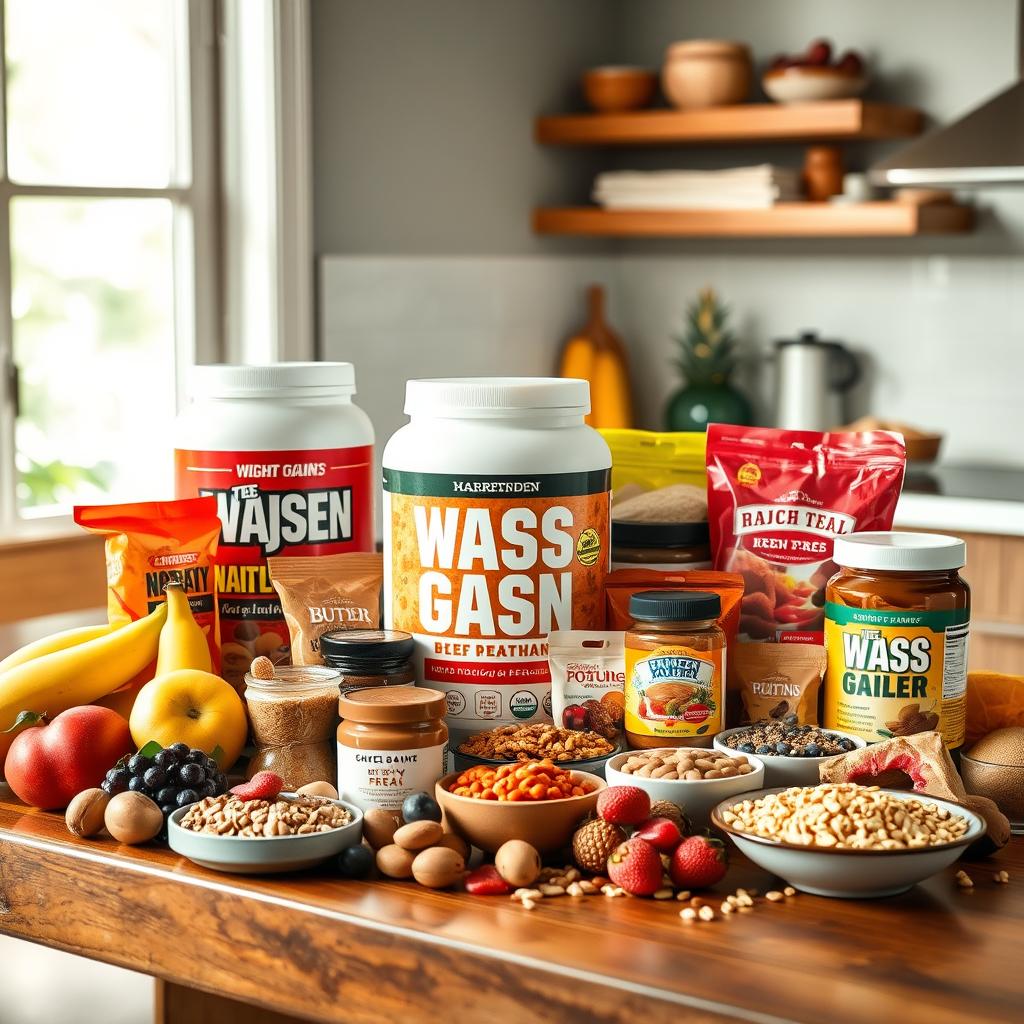
Finding the right weight gain supplements can be tough. They’re not magic, but they help a lot when used right. They’re great for building muscle and gaining body mass.
It’s important to know what each supplement does:
- Protein Powders: Essential for muscle repair and growth
- Mass Gainers: High-calorie supplements for rapid weight increase
- Creatine: Enhances muscle strength and volume
- Branched-Chain Amino Acids (BCAAs): Supports muscle recovery
“Supplements are tools, not shortcuts. They complement a balanced nutrition plan.” – Sports Nutrition Expert
Here are some tips for using supplements:
- Consult a healthcare professional before starting any supplement regimen
- Prioritize whole food nutrition over supplement reliance
- Select high-quality, third-party tested supplements
- Track your progress and adjust intake according
The best way is to mix supplements with a healthy diet. Protein powders help meet protein needs. Mass gainers add extra calories for those who can’t eat enough.
Common Challenges and Solutions in Weight Gain Journey
Gaining weight can be tough, facing metabolic hurdles. It’s important to understand how to overcome these challenges. This is key for those trying to build muscle and increase body mass.
Many people get stuck trying to gain weight. The journey needs strategic plans and constant effort to beat natural resistance.
Dealing with Fast Metabolism
Those with fast metabolism often find it hard to gain weight. Here are some strategies to help:
- Increase caloric intake gradually
- Consume nutrient-dense foods
- Focus on high-protein meals
- Limit cardio exercises
“Your metabolism doesn’t define your potential – it’s a challenge to be overcome” – Fitness Experts
Appetite Enhancement Strategies
Boosting appetite is key to gaining weight. Here are some practical tips:
- Eat smaller, frequent meals
- Use calorie-dense smoothies
- Add healthy fats to your diet
- Consider appetite-stimulating supplements
Managing Plateau Phases
Plateaus are natural in any fitness journey. When progress stalls, try these reset techniques:
- Adjust macronutrient ratios
- Modify workout intensity
- Allow adequate recovery time
- Reassess caloric intake
Remember, persistence and strategic adjustments are key. Each body is different, so patience and personalized approaches are vital.
Tracking Progress and Adjusting Your Approach
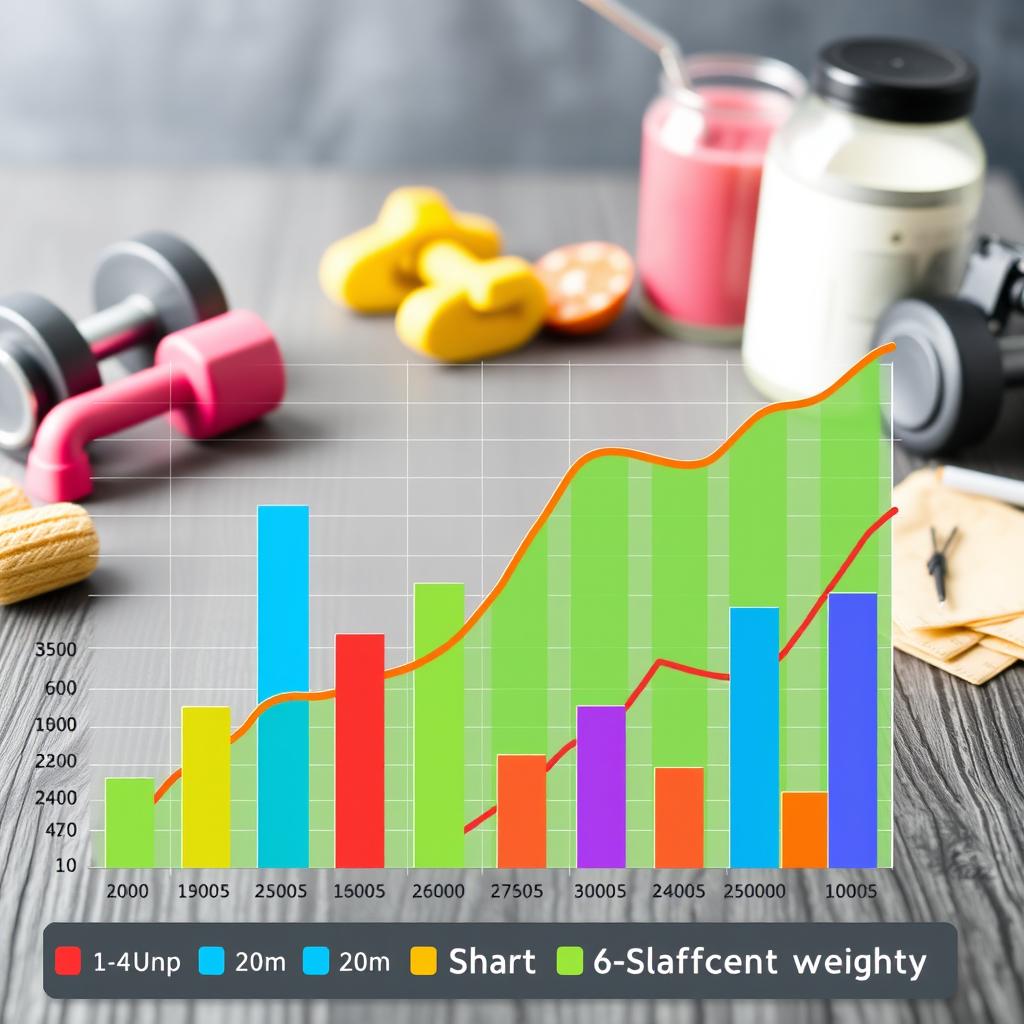
Successful weight gain is more than just eating more and lifting weights. It’s important to track your progress to understand how your body reacts to food and exercise.
Developing mindful eating habits helps you monitor your transformation. Start by setting up consistent tracking methods. These methods should give you clear insights into your progress.
- Weekly body weight measurements
- Body circumference tracking
- Progress photos
- Strength performance logs
“What gets measured gets managed.” – Peter Drucker
Tracking weight isn’t just about the number on the scale. Holistic progress tracking looks at many factors. These factors show muscle growth and overall development.
| Tracking Method | Frequency | Purpose |
|---|---|---|
| Body Weight | Weekly | Monitor overall mass gain |
| Body Fat Percentage | Monthly | Assess lean muscle growth |
| Strength Metrics | Every 4-6 weeks | Evaluate muscle performance |
Mindful eating is key to lasting weight gain. Listen to your hunger, eat slowly, and pick foods that help you reach your goals.
If progress slows down, look at your data closely. You might need to change your calorie intake, workout intensity, or get help from a nutrition expert.
Lifestyle Factors That Impact Weight Gain
Building lean muscle is more than just diet and exercise. Your lifestyle also plays a big role in gaining healthy weight. Knowing how lifestyle factors work together can really help you build muscle.
Sleep Quality and Recovery
Good sleep is key for muscle growth. Your body makes growth hormone during deep sleep, which helps muscles grow. Try to sleep 7-9 hours each night to help your muscles recover and grow.
- Create a consistent sleep schedule
- Minimize screen time before bed
- Keep your bedroom cool and dark
- Avoid caffeine late in the day
Stress Management Techniques
Too much stress can hurt your muscle-building efforts. It raises cortisol, which breaks down muscle. It’s important to find ways to reduce stress to keep growing muscle.
| Stress Management Method | Muscle Growth Impact |
|---|---|
| Meditation | Reduces cortisol, supports muscle recovery |
| Regular Exercise | Releases endorphins, reduces stress hormones |
| Deep Breathing Exercises | Lowers stress, improves hormone balance |
Daily Activity Level Optimization
Finding the right balance in your daily activities is important for muscle growth. The right mix of activity and rest helps you keep the calories needed for muscle growth.
“The right balance of activity and rest is the secret to effective muscle building.” – Professional Fitness Trainer
- Track your daily energy expenditure
- Incorporate low-intensity activities
- Prioritize recovery between intense workouts
Building Lean Muscle While Minimizing Fat Gain
To increase lean muscle, you need a smart plan that mixes good food and exercise. It’s all about growing muscle without gaining too much fat.
“Muscle growth is a science of precision, not just hard work.” – Fitness Expert
Building lean muscle needs a few key things:
- Precise calorie management
- High-protein nutrition
- Targeted strength training
- Metabolic conditioning
Good nutrition is key to staying motivated on your fitness path. Eat lots of lean proteins, complex carbs, and healthy fats. They help your muscles grow.
| Nutrient | Daily Intake | Muscle Building Impact |
|---|---|---|
| Protein | 1.6-2.2g per kg | Muscle protein synthesis |
| Complex Carbs | 4-7g per kg | Energy for workouts |
| Healthy Fats | 0.5-1.5g per kg | Hormonal balance |
Resistance training is key to growing lean muscle. Choose exercises that work many muscles at once. This makes your workout more effective.
Keep an eye on your body’s changes by measuring it often. Stay consistent and patient. These are the secrets to a lean, strong body.
Common Mistakes to Avoid During Bulking
Gaining weight right isn’t just about eating a lot. Many people face challenges in keeping their weight healthy because of common mistakes. These mistakes can stop their fitness goals in their tracks.
“Not all calories are created equal” – Nutrition Experts
It’s key to understand mindful eating to gain weight well. Let’s look at the main mistakes to steer clear of:
- Dirty Bulking Trap: Eating junk food that’s not good for you
- Not eating enough protein and nutrient-rich foods
- Eating at random times
- Working out too much without resting enough
Getting weight right needs a smart plan. Your body needs good nutrients, not just lots of calories.
| Mistake | Consequence | Solution |
|---|---|---|
| Random Eating | Uncontrolled Fat Gain | Structured Meal Planning |
| Skipping Meals | Metabolic Slowdown | Consistent Nutrition |
| Poor Protein Intake | Muscle Loss | Balanced Macronutrients |
Avoiding these common errors will help you gain weight in a healthy way. Remember, success comes with time and steady effort.
Conclusion
Learning how to gain weight effectively is a personal journey. It’s not just about eating more. You need to understand your body’s needs and use the right nutrition and exercise.
Tracking your weight is key to your success. It helps you see how your body changes. This way, you can adjust your diet and workouts as needed. Remember, gaining weight takes time, patience, and knowledge.
Building muscle involves several steps. You need to plan your nutrition, do targeted workouts, rest well, and use supplements wisely. Everyone’s journey is unique, so be open to changes and listen to your body.
Your dedication to learning about weight gain makes you stand out. Keep motivated, track your progress closely, and believe in the process. With hard work and the right information, you can reach your muscle-building goals and improve your body.
FAQ
How many calories do I need to eat to gain weight?
To gain weight, you need to eat 300-500 more calories each day than you burn. This extra calorie intake helps build muscle and gain weight. Use online tools to find out how many calories you need, then add more while watching your progress.
What are the best foods for healthy weight gain?
Choose foods that are high in calories but also good for you. Include:– Lean proteins like chicken, fish, and lean beef– Full-fat dairy and whole milk– Nuts and nut butters– Avocados– Olive oil– Whole grains– Dried fruits– Protein-rich smoothies
How often should I work out to gain weight?
Work out 3-4 times a week, focusing on big exercises. These include squats, deadlifts, bench presses, and rows. They help grow muscles and support weight gain.
Do I need supplements to gain weight?
Supplements can be helpful, but they’re not essential. Protein powders and mass gainers add calories. But, eat whole foods first. Creatine and whey protein support muscle growth, but they’re supplements, not a full diet.
How long does it take to see weight gain results?
Noticeable changes usually come in 8-12 weeks. But, it depends on your genetics, diet, workout, and metabolism. Stay patient and keep track of your progress for successful weight gain.
How can I gain weight if I have a fast metabolism?
For fast metabolisms, try these tips:– Eat 5-6 times a day– Make meals more calorie-dense– Drink calorie-rich smoothies– Do less cardio– Focus on heavy weight training– Get enough sleep and manage stress
Should I do cardio while trying to gain weight?
Light to moderate cardio is fine, but avoid intense cardio. Stick to 15-20 minutes of low-intensity cardio 2-3 times a week. This keeps your heart healthy without stopping muscle growth and weight gain.
How do I track my weight gain progress?
Track your progress with:– Weekly weight measurements– Monthly body measurements– Progress photos– Workout strength gains– Body fat percentageAim for 0.5-1 pound of weight gain each week for lean muscle.


