
The Best Fluffy Pancakes recipe you will fall in love with. Full of tips and tricks to help you make the best pancakes.

How to lose weight effectively
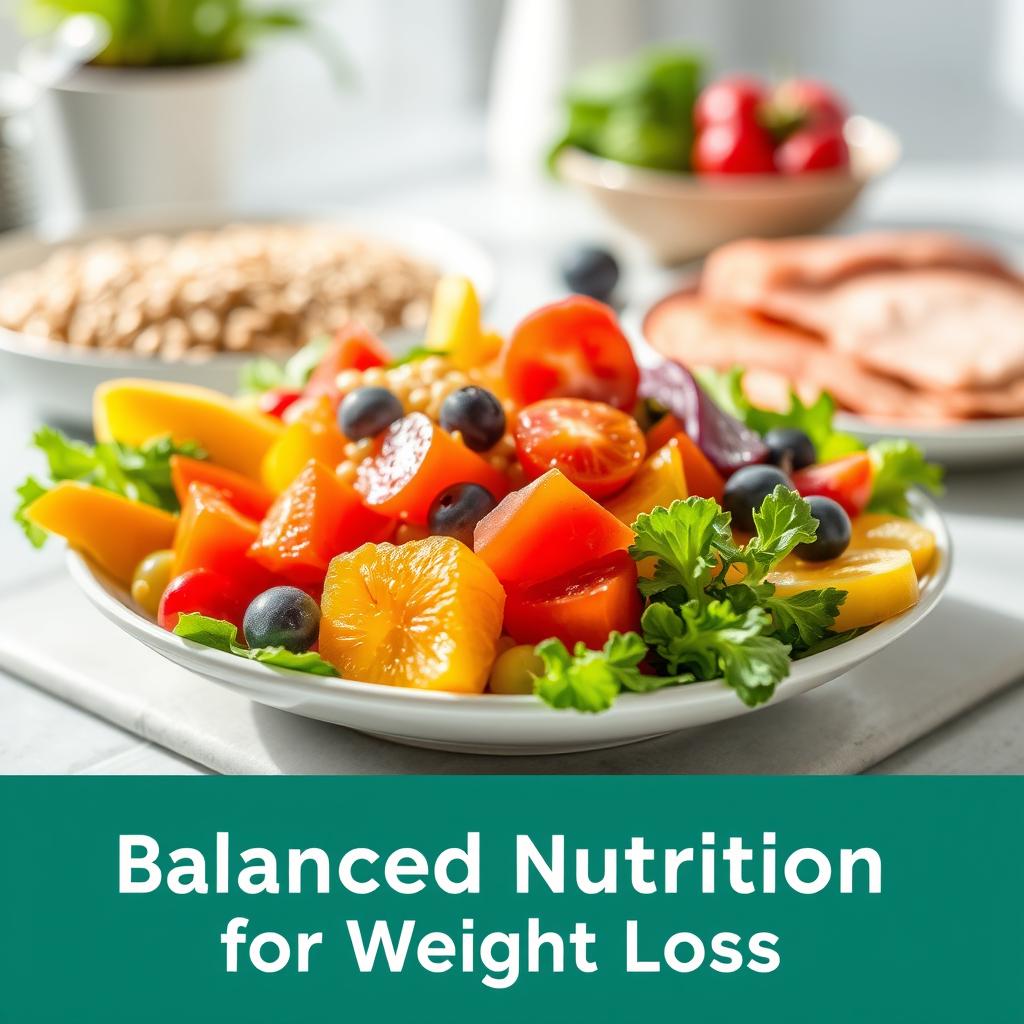
Starting a weight loss journey can be tough, but it’s doable with the right plan. Weight loss tips vary for everyone, and knowing what works for you is key. This helps you keep losing weight over time.
This guide will show you how to improve your health and fitness. We’ll cover the basics of nutrition and exercise. You’ll learn how to make losing weight fun and easy.
If you want to lose a bit of weight or change your whole lifestyle, we’ve got you covered. Our tips are designed to help you make lasting changes, not quick fixes.
Key Takeaways
- Understand the science behind effective weight loss
- Learn sustainable nutrition strategies
- Develop a personalized exercise routine
- Focus on long-term lifestyle changes
- Create realistic and achievable goals
- Prioritize mental and physical health
Understanding the Science Behind Weight Loss
Starting a weight loss journey is more than just wanting to lose weight. It’s about knowing how your body uses energy and manages weight. Achieving optimal health means understanding the science behind losing weight.
Basic Principles of Calorie Deficit
The key to losing weight is creating a calorie deficit. This means eating fewer calories than your body burns each day. When you do this, your body starts using fat for energy, helping you lose weight.
- Calculate your daily calorie needs
- Reduce calorie intake strategically
- Monitor portion sizes
How Metabolism Affects Weight Loss
Metabolism is very important for managing weight. Boosting your metabolism can help you lose weight faster. Things like muscle mass, age, and how active you are can change your metabolic rate.
| Metabolism Booster | Impact on Weight Loss |
|---|---|
| Strength Training | Increases muscle mass, raises resting metabolic rate |
| High-Protein Diet | Requires more energy to digest, boosts metabolism |
| Regular Exercise | Stimulates metabolic processes |
The Role of Hormones in Weight Management
Hormones are like messengers in your body that affect weight loss. Insulin, cortisol, and leptin are important for controlling how you metabolize food, how hungry you feel, and where fat is stored.
“Understanding your body’s hormonal balance is key to successful weight management.” – Dr. Emily Roberts, Metabolic Health Specialist
By learning about these scientific basics, you can create a better plan for losing weight. This will help you keep the weight off and improve your health in the long run.
Creating a Sustainable Diet Plan for Long-Term Success
Creating a healthy diet plan is more than just counting calories. It’s about making lifestyle changes that nourish your body. The goal is to design a nutrition plan that feels natural and enjoyable, not like a punishment.
“Nutrition is not about being perfect. It’s about eating food that makes you feel great.” – Unknown
To craft an effective sustainable nutrition approach, consider these essential principles:
- Focus on whole, nutrient-dense foods
- Create balanced meals with lean proteins, complex carbohydrates, and healthy fats
- Practice portion control without strict restrictions
- Allow occasional treats to maintain psychological satisfaction
Understanding your individual nutritional needs is key for a successful diet plan. Each person’s body reacts differently to food and eating patterns.
| Nutrition Strategy | Benefits | Implementation |
|---|---|---|
| Meal Planning | Reduces impulse eating | Prepare weekly menus in advance |
| Balanced Macronutrients | Supports metabolism | Include protein, carbs, and fats in each meal |
| Mindful Eating | Improves digestion | Eat slowly, without distractions |
Sustainable lifestyle changes are about gradual, consistent improvements. Start with small, manageable adjustments to your diet and build momentum over time. Remember, the most effective nutrition plan is one you can maintain long-term.
How to Lose Weight Effectively Through Proper Nutrition
Nutrition is key to losing weight well. Knowing the right foods and eating habits can change your weight loss journey. It’s important to have a nutrition plan that helps burn fat and keeps you healthy.
Essential Nutrients for Weight Loss
For weight loss, you need the right nutrients. Your body needs vitamins and minerals to burn fat and boost metabolism.
- Protein: Helps build lean muscle and increases metabolism
- Fiber: Promotes feelings of fullness and supports digestive health
- Omega-3 fatty acids: Reduces inflammation and supports fat burning
- Vitamin D: Supports metabolism and hormone regulation
Foods That Promote Fat Burning
Some foods can help boost your metabolism and aid in weight loss. Add these metabolism-boosting foods to your diet:
- Green tea: Contains antioxidants that enhance fat burning
- Lean proteins: Chicken, fish, and tofu increase metabolic rate
- Chili peppers: Capsaicin helps burn extra calories
- Whole grains: Provide sustained energy and support metabolism
Meal Timing and Frequency
How you eat can affect your weight loss. Eating smaller, more frequent meals can help keep energy levels steady and prevent overeating. Try eating 4-6 smaller meals a day instead of three big ones.
“Nutrition is the foundation of successful weight loss. Your food choices matter more than you might think.” – Nutritional Expert
Focus on eating nutrient-rich foods, eat at the right times, and use smart fat burning strategies. This way, you can make a nutrition plan that helps you lose weight and stay healthy.
Smart Portion Control Strategies
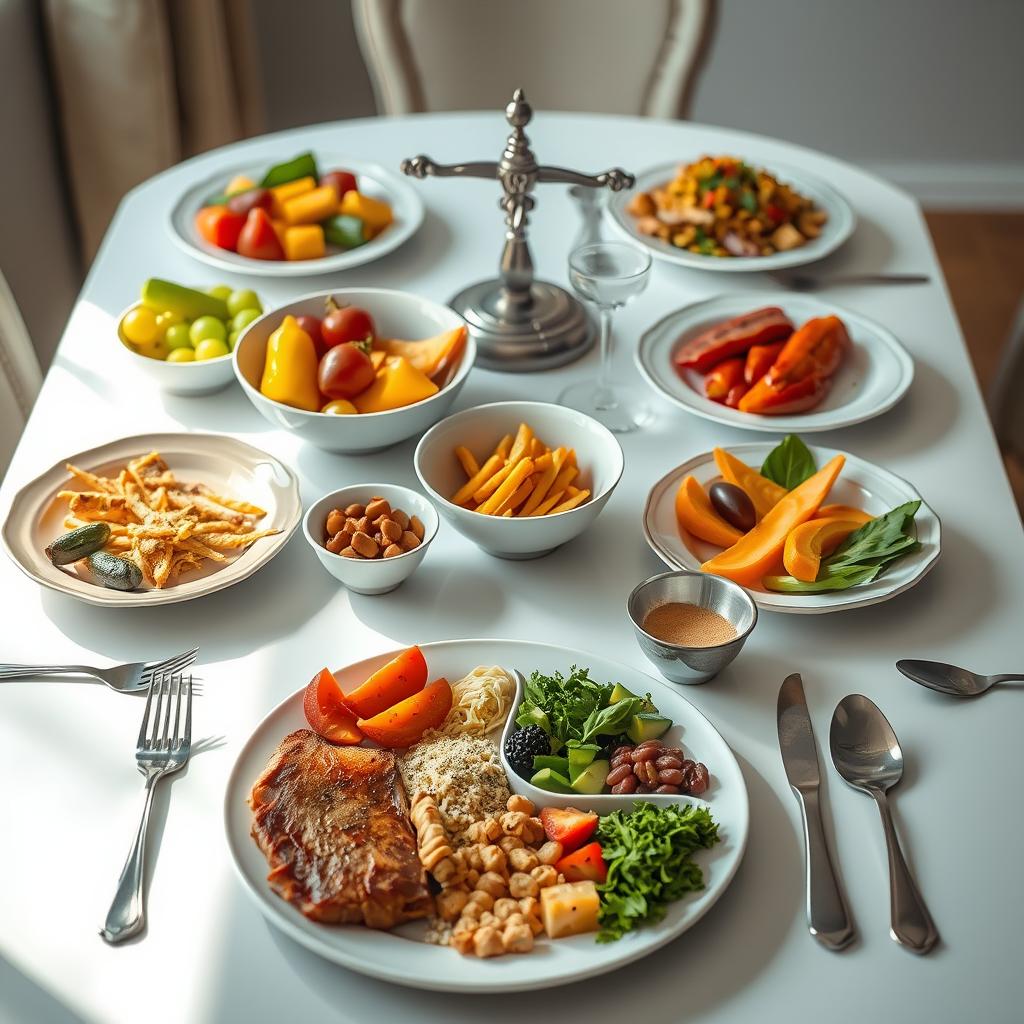
Mastering portion control is key for successful weight loss. Many find it hard to know the right serving sizes. This can greatly affect how many calories we eat. Learning smart ways to control portions helps manage weight without feeling left out.
“Eating mindfully is not about restriction, but about understanding your body’s true nutritional needs.”
Effective portion control starts with simple strategies that make eating fun. These strategies support weight loss goals. Here are some key techniques to manage portion sizes:
- Use smaller plates to create visual portion illusions
- Measure food using kitchen scales or measuring cups
- Practice the hand measurement method for quick portion estimation
- Eat slowly and chew thoroughly to recognize fullness signals
Understanding portion sizes gets easier with visual guides. Here’s a comparison of typical serving sizes:
| Food Item | Recommended Portion | Visual Reference |
|---|---|---|
| Protein | 3-4 oz | Deck of cards |
| Grains | 1/2 cup | Tennis ball |
| Nuts | 1 oz | Golf ball |
Dining out can make portion control hard. Weight loss tips for eating out include sharing meals, asking for half portions, or boxing half the meal before eating.
Using portion control techniques doesn’t mean you have to give up enjoying your food. It’s about knowing what your body needs and making smart food choices. This supports your health and weight loss journey.
Developing an Effective Exercise Routine
Creating the right exercise plan is key for losing weight and staying fit. Your path to a healthier body needs a mix of workouts and knowing your body’s needs.

A good exercise routine is more than just moving. It’s about making a balanced plan that boosts fat burning and keeps you excited to work out.
Cardio vs. Strength Training
Cardio and strength training are both important in a great exercise routine:
- Cardio burns calories during the workout
- Strength training boosts metabolism long after exercising
- Together, they lead to the best weight loss
Best Workouts for Fat Loss
Some exercises are better than others for losing fat. High-intensity interval training (HIIT) is a top choice for burning fat. Fitness experts at Mayo Clinic’s fitness resources recommend it.
Exercise Intensity and Duration
Finding the right mix of intensity and time is key. Aim for:
- 150 minutes of moderate activity weekly
- 75 minutes of high-intensity workouts
- 2-3 strength training sessions
“The best exercise routine is the one you can consistently maintain.”
Your exercise plan should fit you. Listen to your body, start slow, and gradually get harder to avoid burnout and injury.
Mindful Eating Practices for Better Results

Mindful eating changes how we view dieting. It turns weight loss tips into a deeper way of understanding nutrition. This method helps people connect more with their food. It also helps them eat less and manage their weight better over time.
“Eating is not just about consuming calories, but experiencing nourishment with full awareness.”
There are several important steps to mindful eating:
- Eat slowly and without distractions
- Listen to your body’s hunger and fullness signals
- Appreciate the flavors and textures of each bite
- Recognize emotional eating triggers
Knowing how you eat can really help with weight loss. By reducing stress, you can eat less out of emotion. This makes your food choices more thoughtful.
| Mindful Eating Practice | Potential Weight Loss Impact |
|---|---|
| Eating without electronic devices | Reduces overconsumption by 30-40% |
| Chewing food thoroughly | Improves digestion and satiety |
| Pausing between bites | Helps recognize fullness signals |
Mindful eating is not about being perfect. It’s about building a healthier relationship with food. By being more aware and intentional, you can help your weight loss journey. You’ll also enjoy eating more.
Tracking Progress and Adjusting Your Strategy
Successful weight loss isn’t just about following a diet. It’s about understanding your body’s unique journey. Tracking your progress is key to staying motivated and making informed decisions.
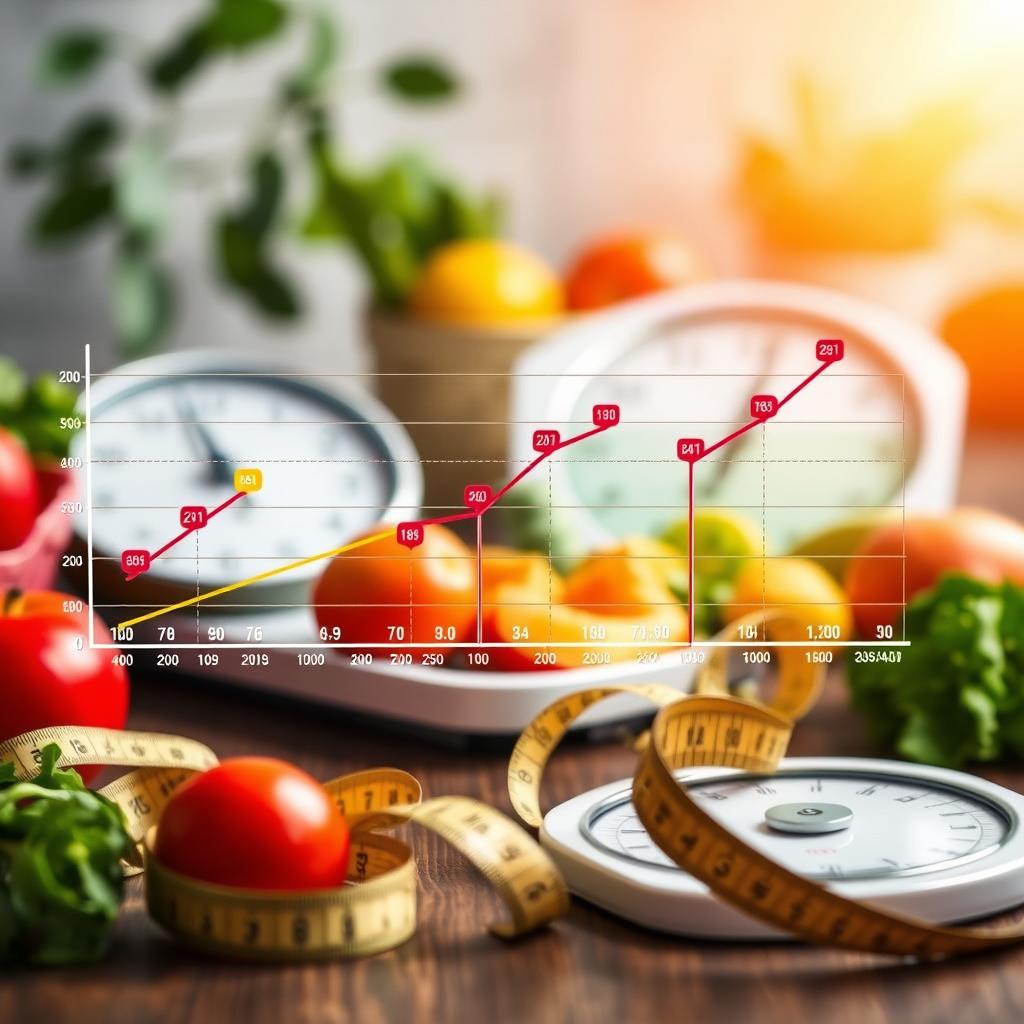
Smart Digital Tools for Weight Loss Monitoring
Modern technology offers powerful weight loss tips through innovative tracking apps. These digital companions can help you:
- Log daily food intake accurately
- Monitor calorie consumption
- Track exercise routines
- Analyze nutritional patterns
Setting Realistic Milestones
Breaking down your weight loss goal into smaller, achievable targets prevents overwhelming feelings. Aim for gradual, consistent progress, not dramatic transformations.
“Progress, not perfection, is the key to sustainable lifestyle changes.” – Fitness Expert
Measuring Success Beyond the Scale
Weight isn’t the only indicator of health improvement. Consider tracking:
- Body measurements
- Energy levels
- Clothing fit
- Fitness performance
- Overall well-being
By embracing a holistic approach to tracking, you’ll stay motivated. You’ll also recognize the full benefits of your weight loss journey.
Common Weight Loss Mistakes to Avoid
To lose weight for good, you must steer clear of common traps. Many people fall into weight loss tips that backfire. These tips seem good at first but end up hurting their efforts.
“Knowledge is power – understanding what not to do is just as important as knowing what to do.”
Learning how to lose weight right means knowing what not to do. It’s key to avoid major mistakes. Let’s look at the top weight loss traps that stop people from reaching their goals.
- Crash dieting that slows metabolism
- Ignoring nutrition quality
- Inconsistent exercise routines
- Unrealistic expectations
- Neglecting mental health
Knowing these mistakes helps you plan better for weight management.
| Mistake | Impact | Solution |
|---|---|---|
| Extreme Calorie Restriction | Metabolic Slowdown | Moderate, Sustainable Deficit |
| Skipping Meals | Increased Hunger | Regular, Balanced Nutrition |
| Lack of Sleep | Hormonal Imbalance | 7-9 Hours Nightly |
Successful weight loss is about consistent, smart strategies, not quick fixes. By avoiding these common mistakes, you’ll find a better way to reach your health goals.
Building Healthy Habits for Long-Term Success
Successful weight loss starts with lasting lifestyle changes. It’s not just about quick diets or fixes. You need a full lifestyle makeover to keep a healthy weight.
Starting your weight loss journey means making consistent, thoughtful choices. Tips that help you build lasting habits are key to long-term success.
Creating a Supportive Environment
Your surroundings are key to keeping healthy habits. Here are some tips:
- Clear your home of unhealthy temptations
- Stock your kitchen with nutritious foods
- Create a dedicated workout space
- Surround yourself with supportive people
Developing a Positive Mindset
“Success is not about perfection, but progress.” – Unknown
A positive mindset is vital for lasting changes. Focus on:
- Practicing self-compassion
- Celebrating small victories
- Reframing setbacks as learning opportunities
Maintaining Motivation
Keeping motivated needs smart strategies. Here are some tips:
| Technique | Description |
|---|---|
| Visual Tracking | Use progress charts or apps to monitor achievements |
| Reward System | Set non-food rewards for reaching milestones |
| Community Support | Join fitness groups or online communities |
Remember, sustainable weight loss is a journey of consistent small changes, not dramatic overnight transformations.
Sleep and Stress Management for Weight Loss
Sleep and stress are key to making lasting lifestyle changes and boosting metabolism. Many ignore these important factors when trying to lose weight. Yet, they greatly affect our body’s ability to lose weight.
Poor sleep messes with hormones that control hunger and metabolism. When you don’t sleep well, your body makes more of the hunger hormone and less of the fullness hormone. This makes losing weight much harder.
- Aim for 7-9 hours of quality sleep nightly
- Create a consistent sleep schedule
- Reduce screen time before bedtime
- Practice relaxation techniques
Chronic stress makes your body produce more cortisol, leading to more belly fat. Managing stress isn’t just about feeling better—it’s a critical component of effective weight management.
“Your body hears everything your mind says” – Naomi Judd
Effective stress reduction techniques include:
- Daily meditation
- Regular exercise
- Deep breathing practices
- Maintaining social connections
By focusing on sleep and stress management, you’ll make lasting lifestyle changes. These changes will help your weight loss journey more than dieting alone.
Conclusion
Learning to lose weight effectively is not about quick fixes. It’s a journey that needs dedication and smart strategies. The best weight loss plans mix nutrition, exercise, and mindset changes.
Your weight loss path is unique. By using the tips from this guide, you’ll create a complete plan. Staying motivated gets easier when you see lasting change comes from consistent choices.
Remember, lasting success comes from small, steady changes. Every choice you make, like eating well or exercising, moves you closer to your goals. Your body can change a lot if you’re patient and kind to yourself.
See this journey as a chance to grow and learn about yourself. With the right knowledge and mindset, you can reach your weight loss goals. Stay focused, be kind to yourself, and trust the journey.
FAQ
How quickly can I expect to lose weight?
Losing 1-2 pounds a week is a healthy pace. Everyone loses weight differently. But, eating less and exercising regularly will help you lose weight steadily. Losing weight too fast is not healthy and often leads to gaining it back.
Do I need to follow a strict diet to lose weight?
No, you don’t need a very strict diet. Instead, eat a balanced diet with whole foods, lean proteins, fruits, veggies, and grains. Aim for a moderate calorie cut while getting all the nutrients you need and enjoying your food.
What type of exercise is best for weight loss?
Mix cardio and strength training for best results. Cardio burns calories, and strength training builds muscle, which increases metabolism. Aim for 150 minutes of moderate exercise weekly, like walking, cycling, swimming, and lifting.
How important is portion control?
Portion control is key for weight loss. It helps you eat fewer calories without feeling hungry. Use small plates, measure food, and eat mindfully. Learning to listen to your hunger and fullness can help a lot.
Can I lose weight without counting calories?
Yes, you can lose weight without counting calories. Focus on eating whole, nutritious foods and eat mindfully. Pay attention to when you’re hungry, choose quality foods, and eat balanced meals to help you lose weight naturally.
How does sleep affect weight loss?
Sleep is very important for weight loss. Bad sleep messes with hunger and metabolism hormones. Try to sleep 7-9 hours a night to help with weight loss and overall health.
What are some metabolism-boosting foods?
Foods like lean meats, fish, eggs, and legumes boost metabolism. Green tea, chili peppers, and coffee can also help. Drinking water and eating regular, balanced meals also supports a healthy metabolism.
How do I stay motivated during my weight loss journey?
Stay motivated by setting realistic goals and tracking your progress. Celebrate small wins and surround yourself with support. Joining a fitness group, working with a nutritionist, or finding a buddy can help keep you on track.
Are supplements necessary for weight loss?
Most weight loss comes from diet and exercise. Supplements can help, but they’re not necessary. Always talk to a doctor before starting supplements and focus on eating well and exercising.
How can I prevent weight loss plateaus?
To avoid plateaus, change your diet and exercise routine regularly. Increase workout intensity, try new exercises, adjust calorie intake, and make sure you’re getting enough protein and nutrients. Changing things up keeps your metabolism going and helps you keep losing weight.


